
A Systems Thinker's Guide to Watchmaking
When I look inside a mechanical watch, I see the same architecture I work with every day: energy storage, regulated distribution, feedback loops, and tradeoffs that someone had to reason through. This is how it all works, why certain movements are extraordinary, and what the certifications actually measure.
3 lessons
The Fundamentals
How a mechanical watch works from first principles. The systems, the physics, and the standards.
Lesson 1
8 min read
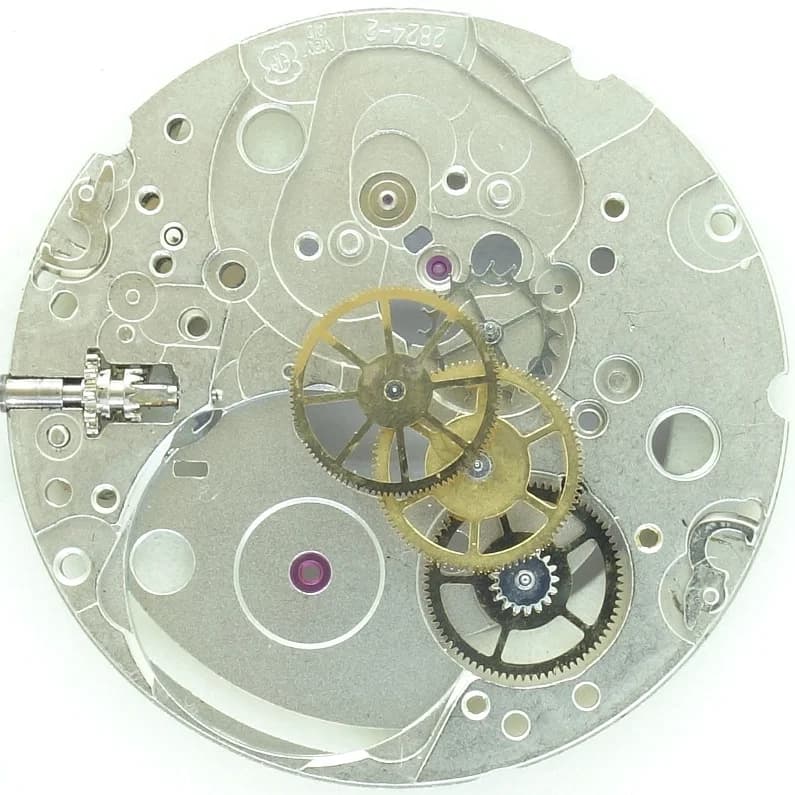
The Architecture of a Mechanical Watch
Five systems, 250 years of engineering, zero software updates
What actually happens inside a mechanical watch. Mainspring, gear train, escapement, balance wheel, and automatic winding. How each system works and why it matters.
Read →
Lesson 9
4 min read
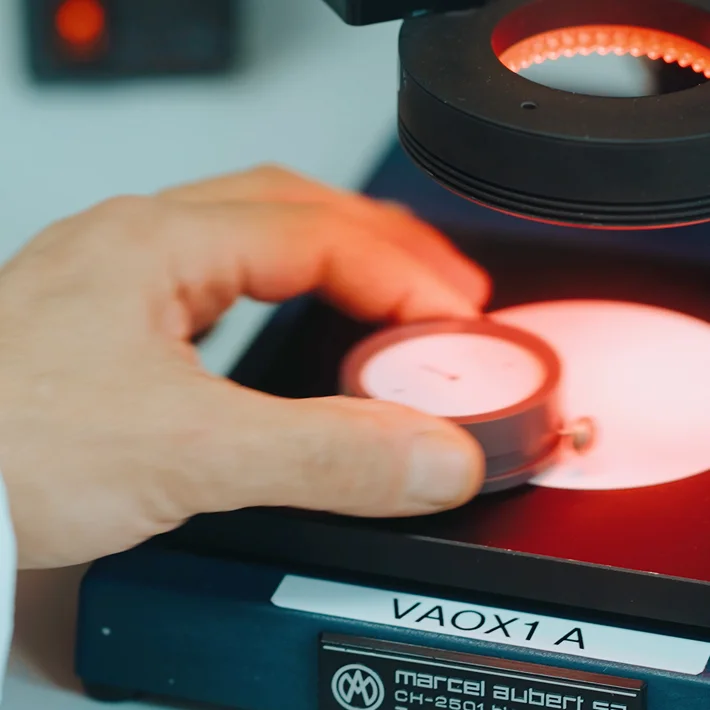
Certifications, Standards, and What They Actually Test
COSC, Superlative Chronometer, Master Chronometer, Qualite Fleurier, the Geneva Seal, and the watchmakers who skip all of them
Every certification has tolerances, test conditions, and things it deliberately ignores. Here is what COSC, Rolex, Omega, Chopard, and Geneva actually measure, and why Dufour and Daniels never submitted.
Read →
Lesson 10
6 min read
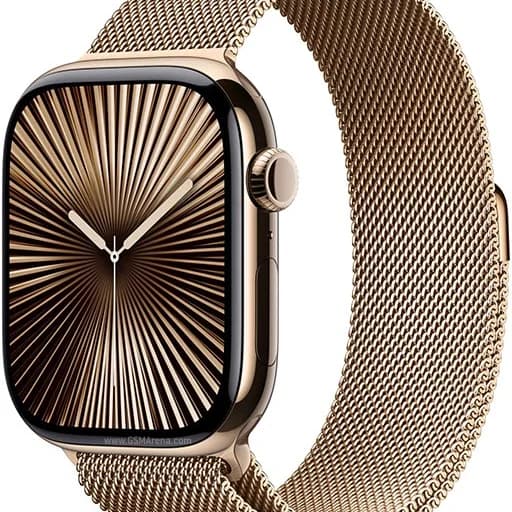
The Apple Watch and Why It Belongs in This Conversation
The most complicated watch ever made, the best-selling watch on earth, and why the snobbery around it is wrong
37 million units a year, a 4-nanometer processor, and software updates faster than any manufacture on the planet. The Apple Watch is not horology. But ignoring it is not credibility. It is denial.
Read →
7 lessons
Incredible Movements
What separates a competent movement from an extraordinary one. The innovations and the people behind them.
Lesson 2
3 min read
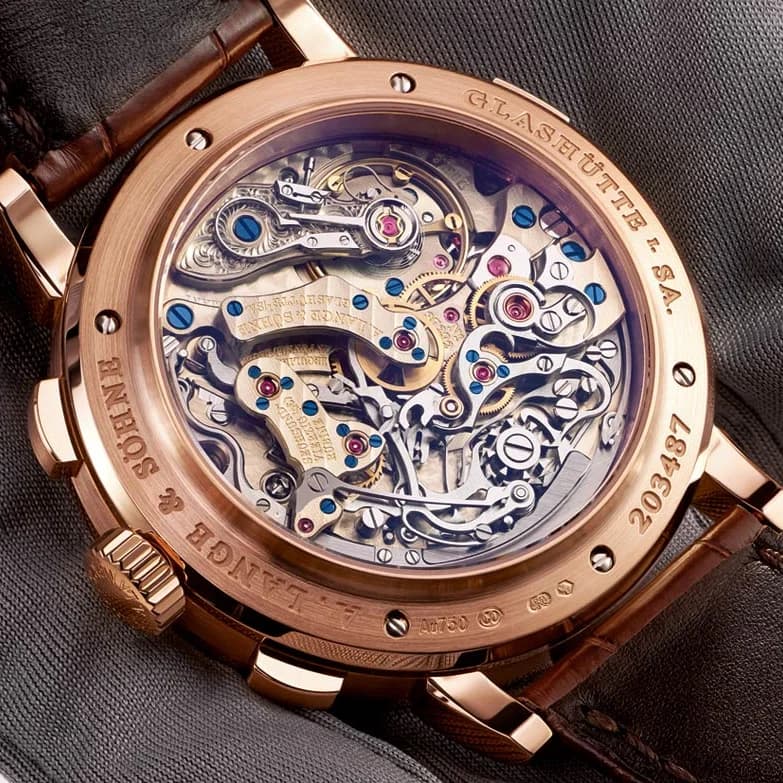
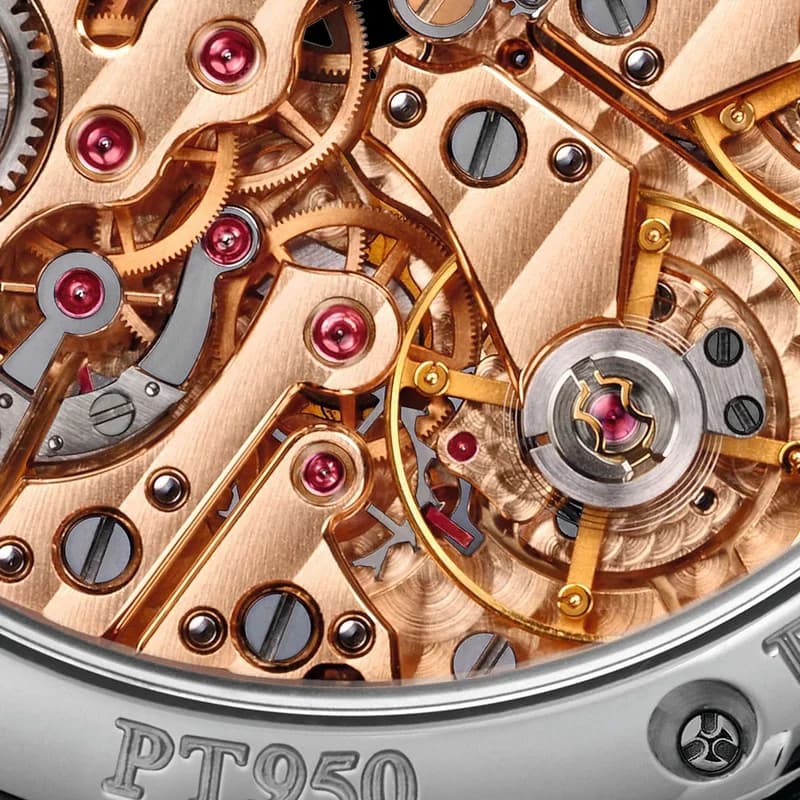
A. Lange & Sohne: The Double Assembly
Why Glashutte's finest builds every movement twice
Every Lange movement is assembled, tested, completely disassembled, and rebuilt from scratch. The L951.6 Datograph does this with 451 parts. Here is why.
Read →
Lesson 3
3 min read
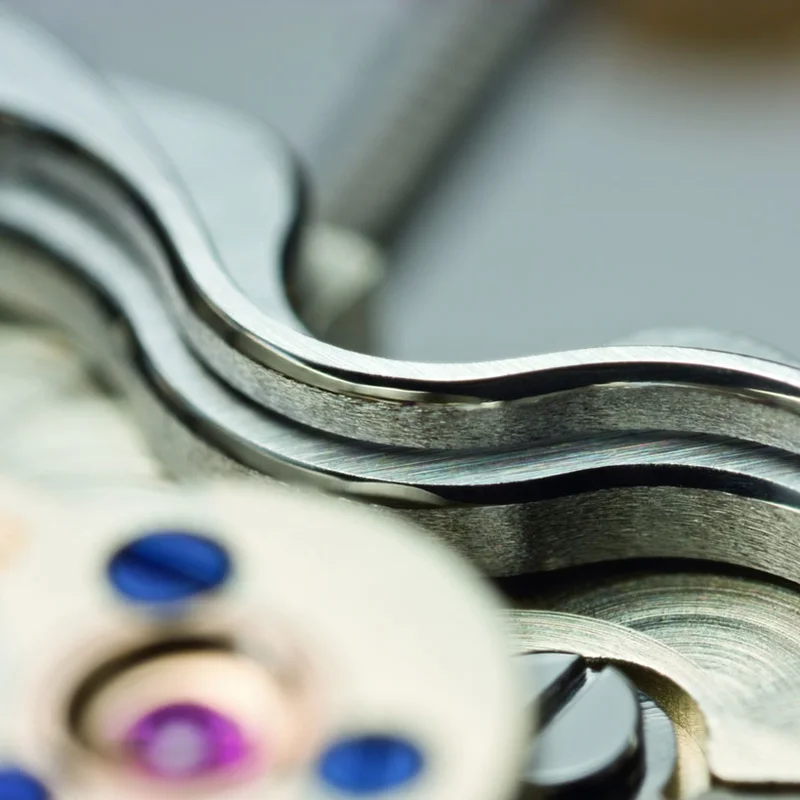
F.P. Journe: Acoustic Resonance
Two balance wheels, one shared plate, and 350 years of theory finally proven on the wrist
The Chronometre a Resonance puts two complete gear trains and two balance wheels inside a wristwatch, coupling them through acoustic resonance to cancel timing errors. Nobody else has done this.
Read →
Lesson 4
3 min read
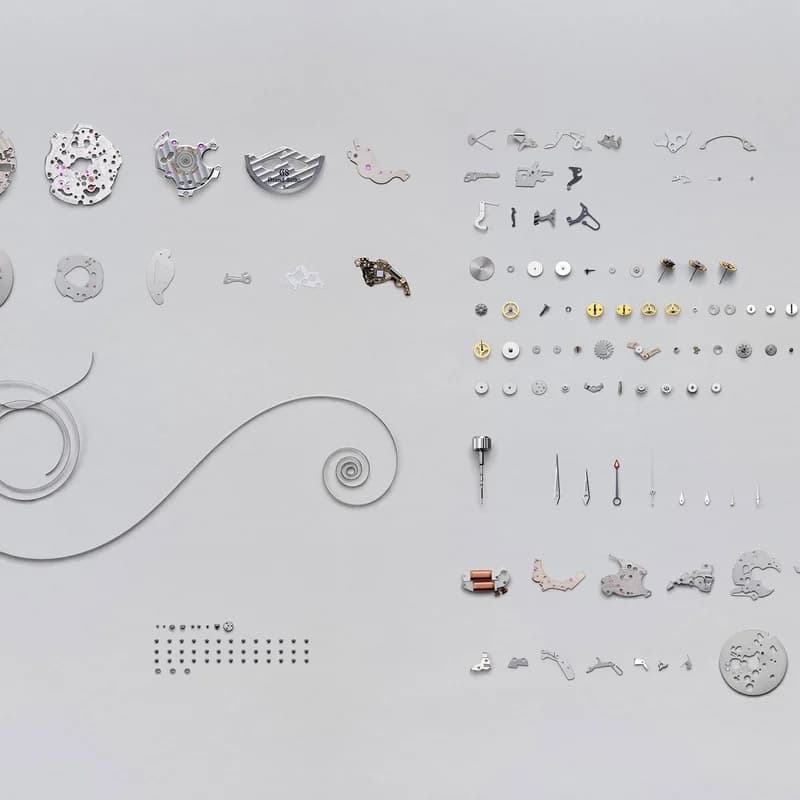
Philippe Dufour: Hand Finishing as Philosophy
One man, 80-year-old tools, and the most beautifully finished movement in existence
The Simplicity has no complications. Hours, minutes, seconds. But its Cal. 11 is widely considered the finest finished movement ever made. Here is what Dufour does and why nobody can replicate it.
Read →
Lesson 5
3 min read
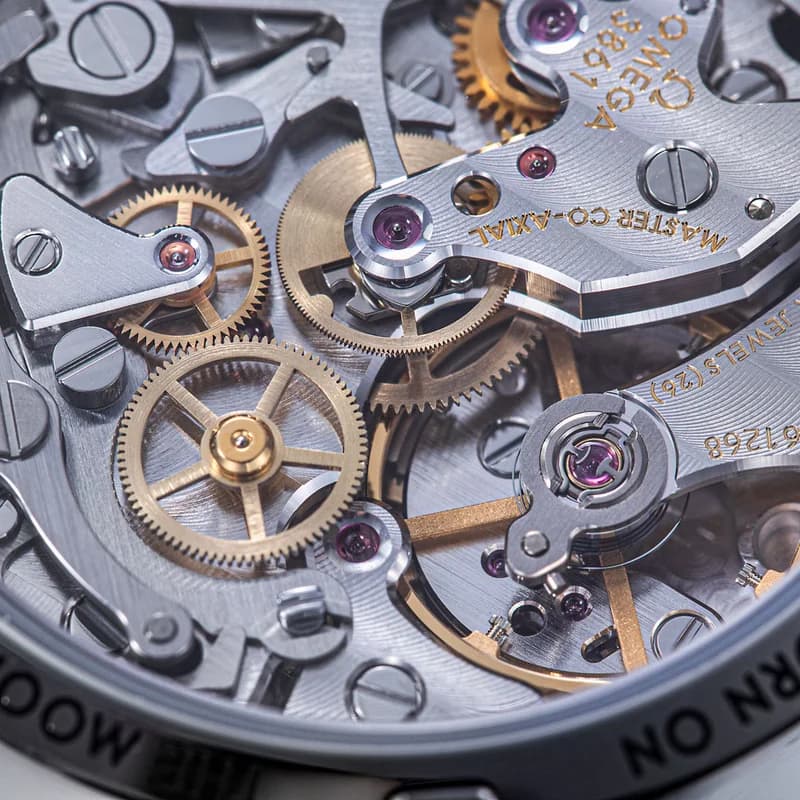
Seiko Spring Drive: The Third Way
Neither mechanical nor quartz. Something new entirely.
Powered by a mainspring, regulated by a quartz crystal, with a seconds hand that sweeps instead of ticks. Seiko invented a category of one.
Read →
Lesson 6
3 min read
George Daniels: The Co-Axial Escapement
A self-taught watchmaker solved a 250-year-old friction problem. The industry took 20 years to listen.
The co-axial escapement replaces sliding friction with radial impulse, dramatically reducing the need for lubrication. George Daniels invented it. Omega finally adopted it. Here is why it matters.
Read →
Lesson 7
3 min read
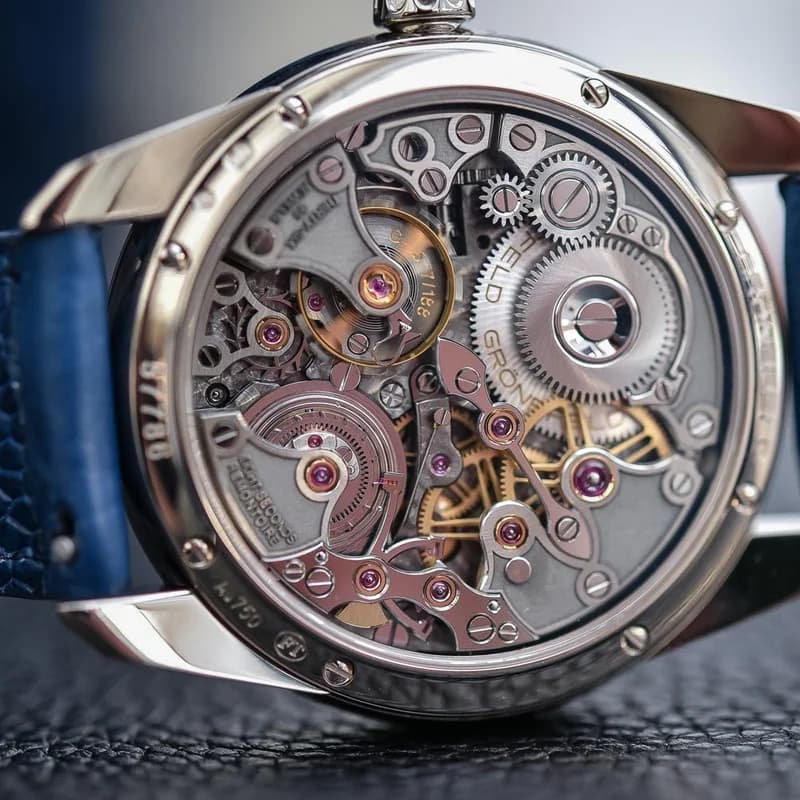
Remontoire: Constant Force
A tiny spring that rewinds every few seconds so the escapement never knows the mainspring is running down
The remontoire isolates the escapement from mainspring torque variation by interposing a small intermediary spring that is periodically rewound. F.P. Journe and the Gronefeld brothers are masters of it.
Read →
Lesson 8
3 min read
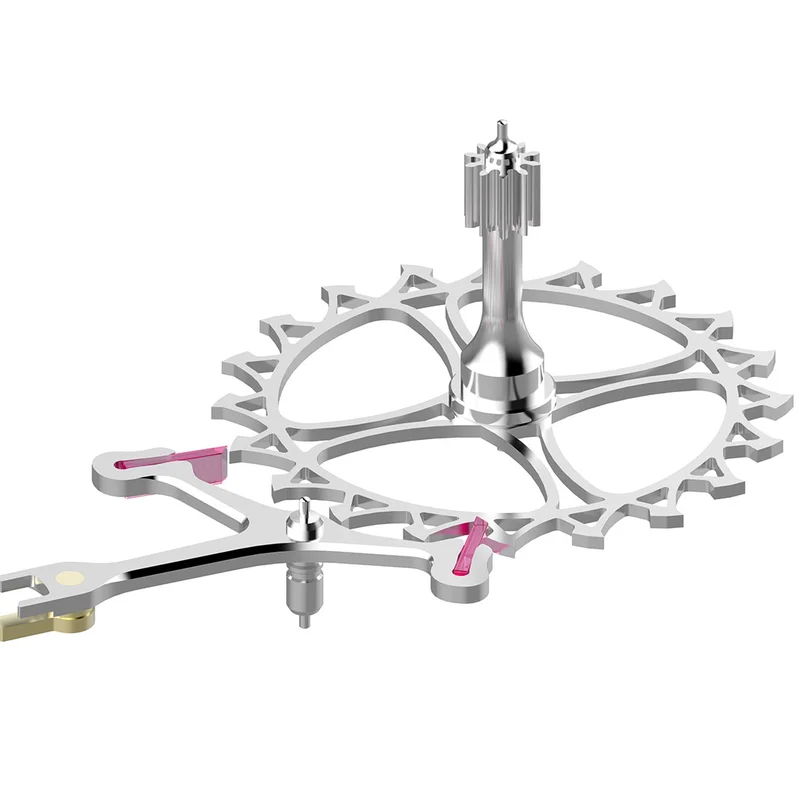
Rolex Chronergy: Product Design at Industrial Scale
Micro-fabrication, paramagnetic materials, and a 15% efficiency gain deployed across millions of watches
The Chronergy escapement uses LIGA-fabricated nickel-phosphorus components to achieve better efficiency and magnetic resistance than a traditional Swiss lever. Rolex put it in everything.
Read →