
Incredible MovementsLesson 8 of 10 · 3 min read
Rolex Chronergy: Product Design at Industrial Scale
Micro-fabrication, paramagnetic materials, and a 15% efficiency gain deployed across millions of watches
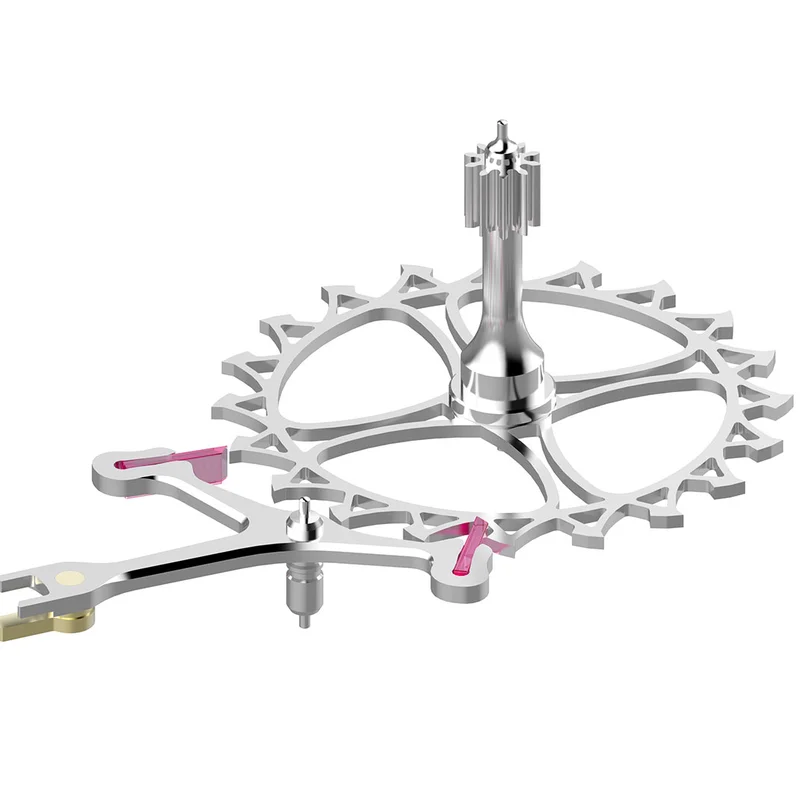
Rolex does not get enough credit for what they do on the product side. They get credit for marketing, for status, for holding value. But what they do in-house on the movement side is genuinely impressive, and the Chronergy escapement is a perfect example.
LIGA Fabrication
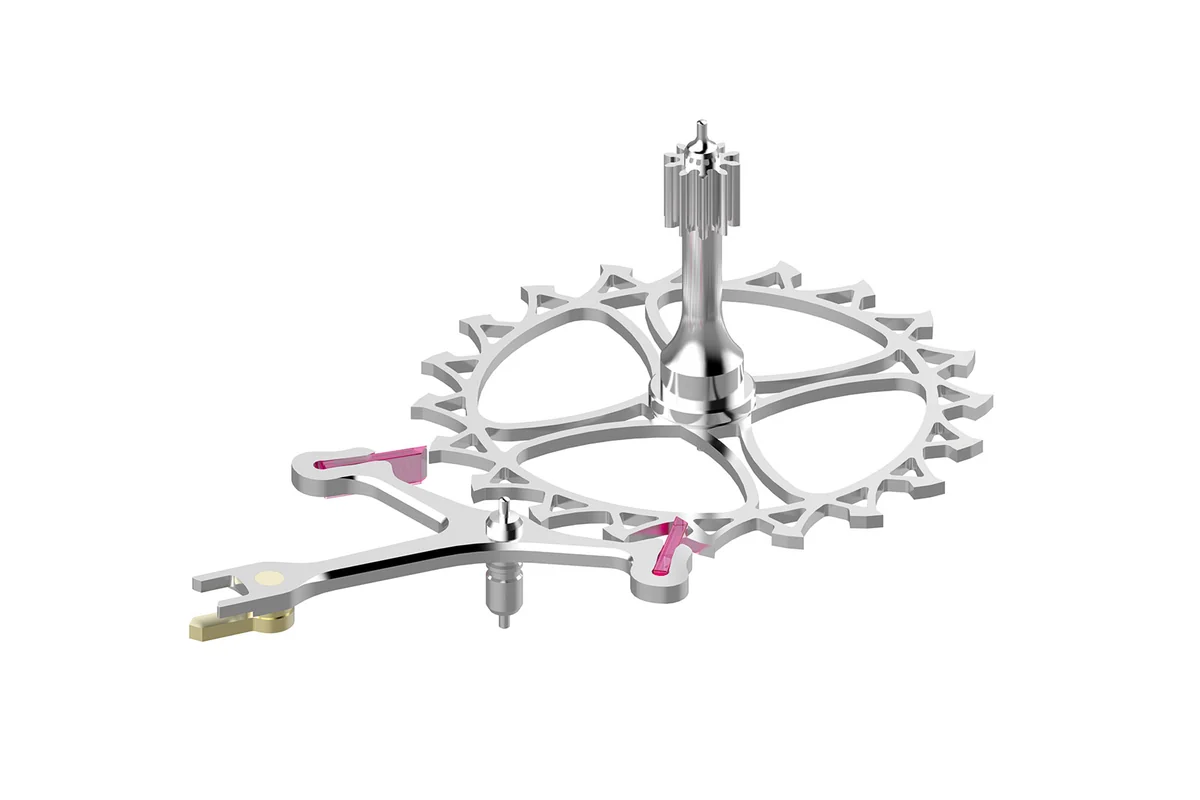
Introduced in 2015 with caliber 3255, the Chronergy is Rolex's redesign of the Swiss lever escapement. The escape wheel and pallet fork are manufactured using LIGA technology, which stands for Lithographie, Galvanoformung, Abformung (lithography, electroforming, molding). This is a micro-fabrication process borrowed from the semiconductor industry that produces parts from nickel-phosphorus with tolerances measured in micrometers. The parts are not machined or stamped. They are grown layer by layer in an electrochemical bath.
Magnetic Immunity
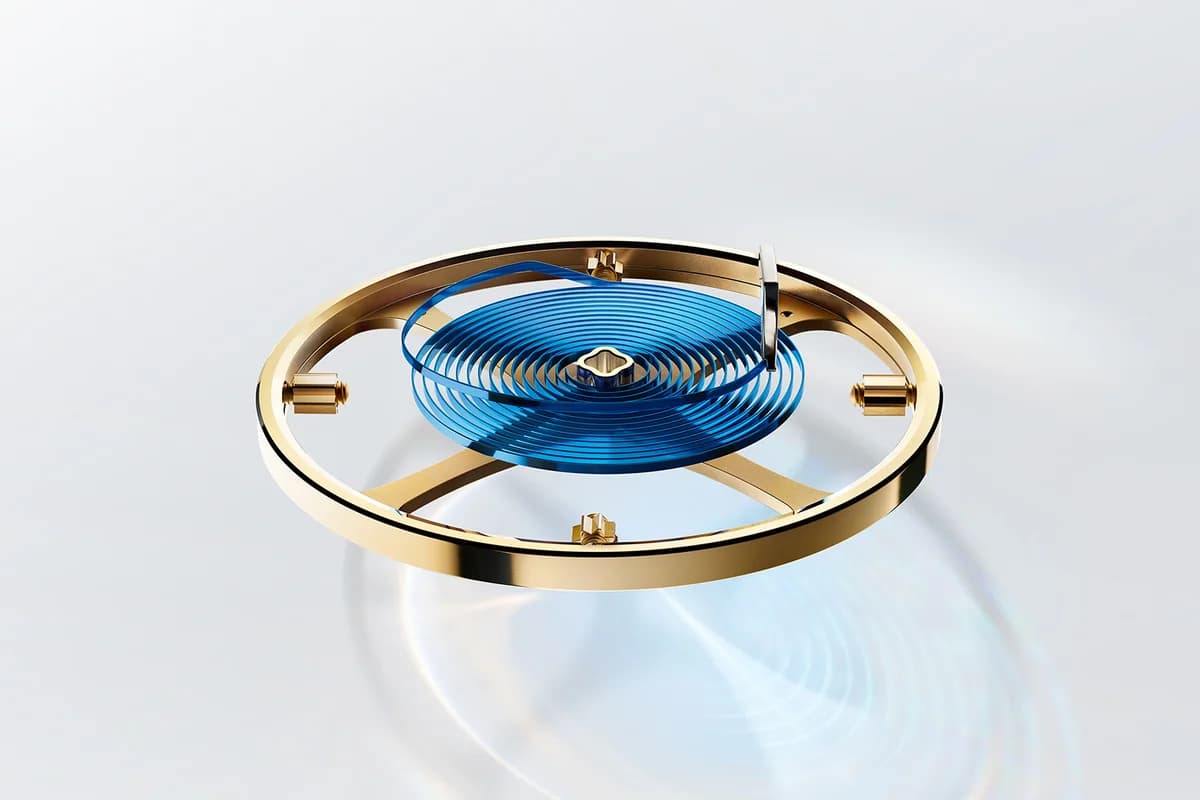
The nickel-phosphorus material gives Rolex two advantages. First, it is paramagnetic, meaning it is not affected by magnetic fields. This is a real-world advantage. Phones, laptop speakers, magnetic clasps on bags, MRI machines. Magnetism is everywhere, and it is one of the most common causes of a watch running fast. A magnetized hairspring coils stick together, effectively shortening the active length and increasing the frequency. Rolex solved this at the escapement level, and combined it with their Parachrom hairspring (also paramagnetic) to create a movement that is essentially immune to everyday magnetic fields.
Optimized Geometry
Second, the LIGA process allows Rolex to optimize the geometry of the escapement in ways that traditional manufacturing cannot achieve. They reversed the length ratios between the escape wheel teeth and the pallet stones. The pallet stones are now half as thick as the previous caliber, while the contact surfaces on the escape wheel teeth have been doubled. The components are offset slightly to increase the lever effect. The escape wheel is skeletonized with strategically placed holes to reduce mass and inertia.
70-Hour Power Reserve
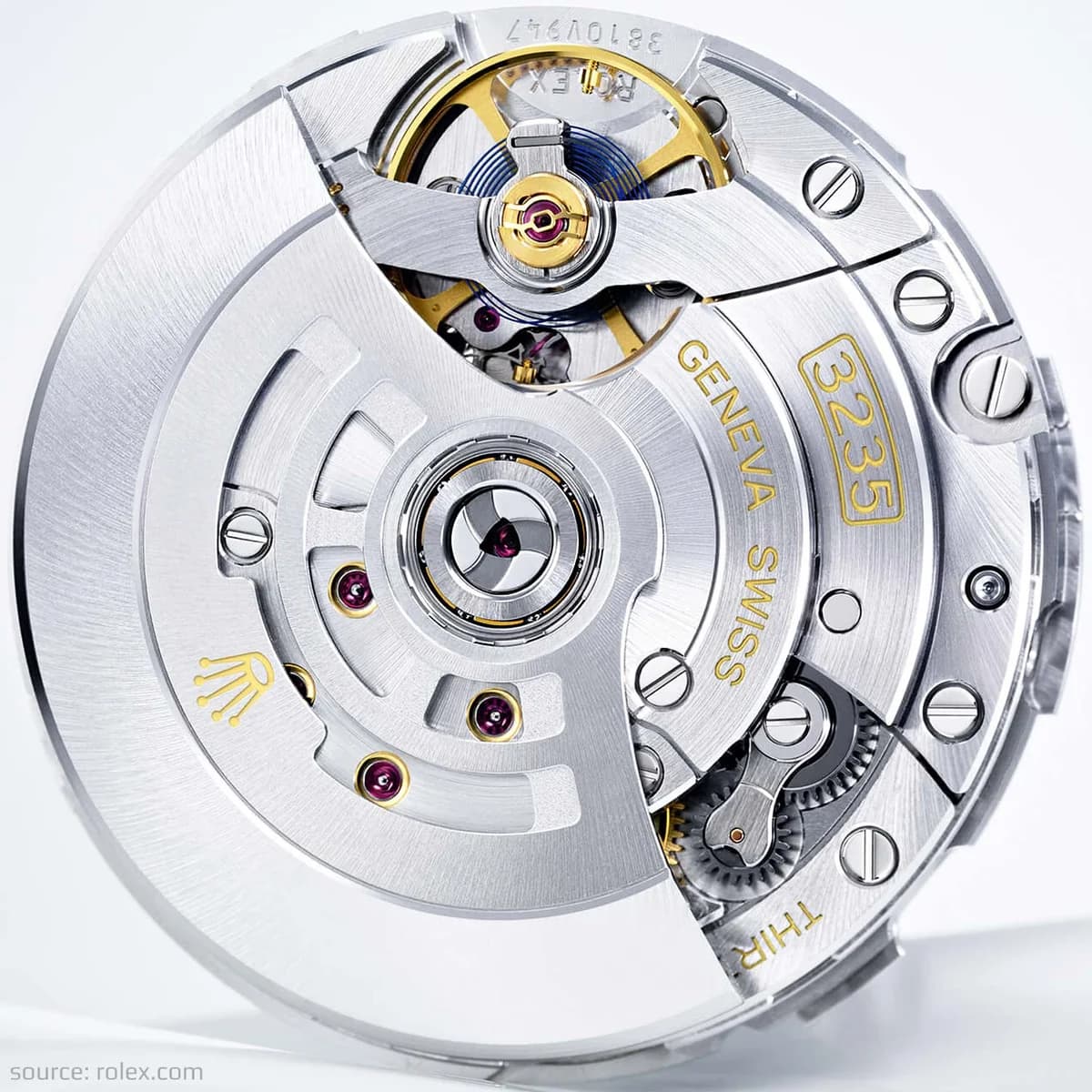
The net result is a 15% improvement in energy efficiency compared to the previous escapement. Rolex used this gain to extend the power reserve across their lineup from 48 hours to 70 hours. That is a meaningful improvement. A Submariner left on the nightstand Friday evening will still be running Monday morning.
Engineering at Scale
Is it as romantically compelling as Dufour finishing a bridge by hand? No. But it is a different kind of extraordinary. This is engineering at scale, solving real problems that affect real owners, deployed across millions of watches. The person wearing a Submariner gets the same Chronergy escapement as the person wearing a Day-Date. Rolex democratized a genuine technical advancement. From a product perspective, that is harder than building one perfect movement. It is building a system that produces millions of consistently excellent ones.