
Incredible MovementsLesson 6 of 10 · 3 min read
George Daniels: The Co-Axial Escapement
A self-taught watchmaker solved a 250-year-old friction problem. The industry took 20 years to listen.
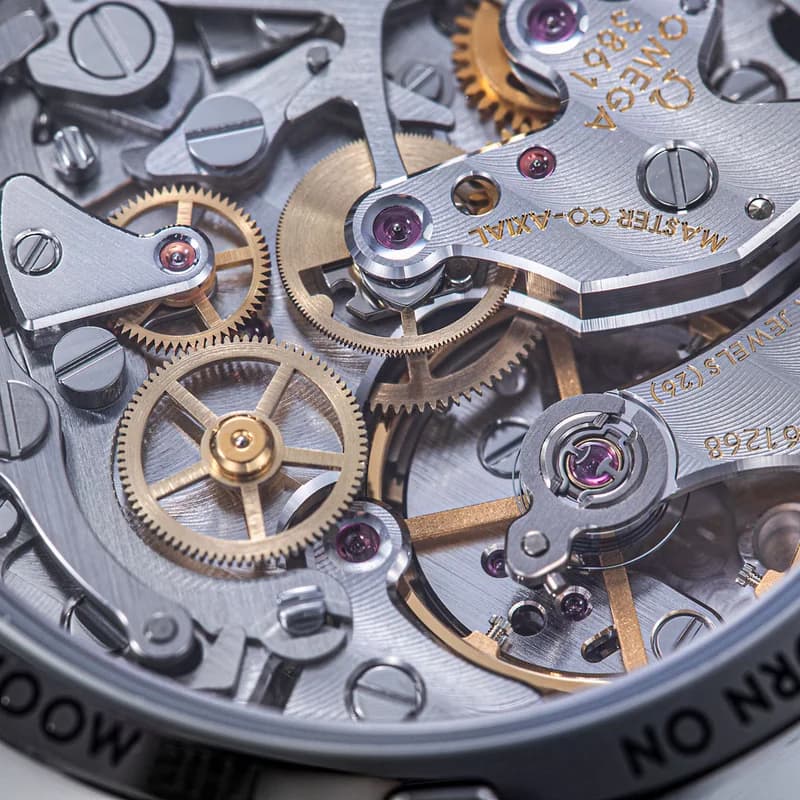
George Daniels was self-taught. He grew up in foster care in London, learned watchmaking in the British Army, and went on to become the greatest English watchmaker since Thomas Mudge invented the lever escapement in 1755. In the 1970s, Daniels set out to solve the fundamental problem with the Swiss lever: friction.
The Friction Problem
In a conventional Swiss lever escapement, the pallet stones slide against the escape wheel teeth during every impulse. That sliding contact requires lubrication. Over time, the oil degrades, migrates, or dries out, and the watch loses accuracy. This is why mechanical watches need servicing every five to eight years. The escapement does not wear out. The oil does.
Radial Impulse
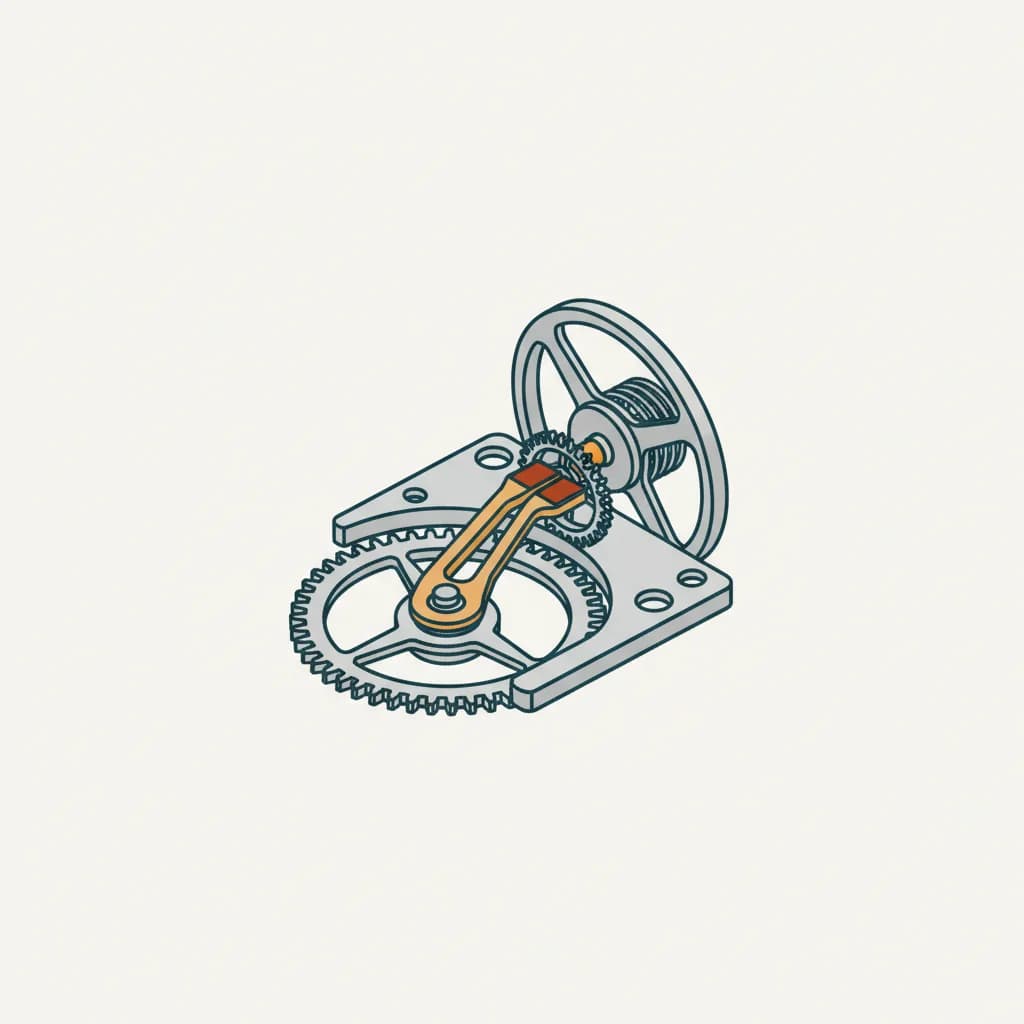
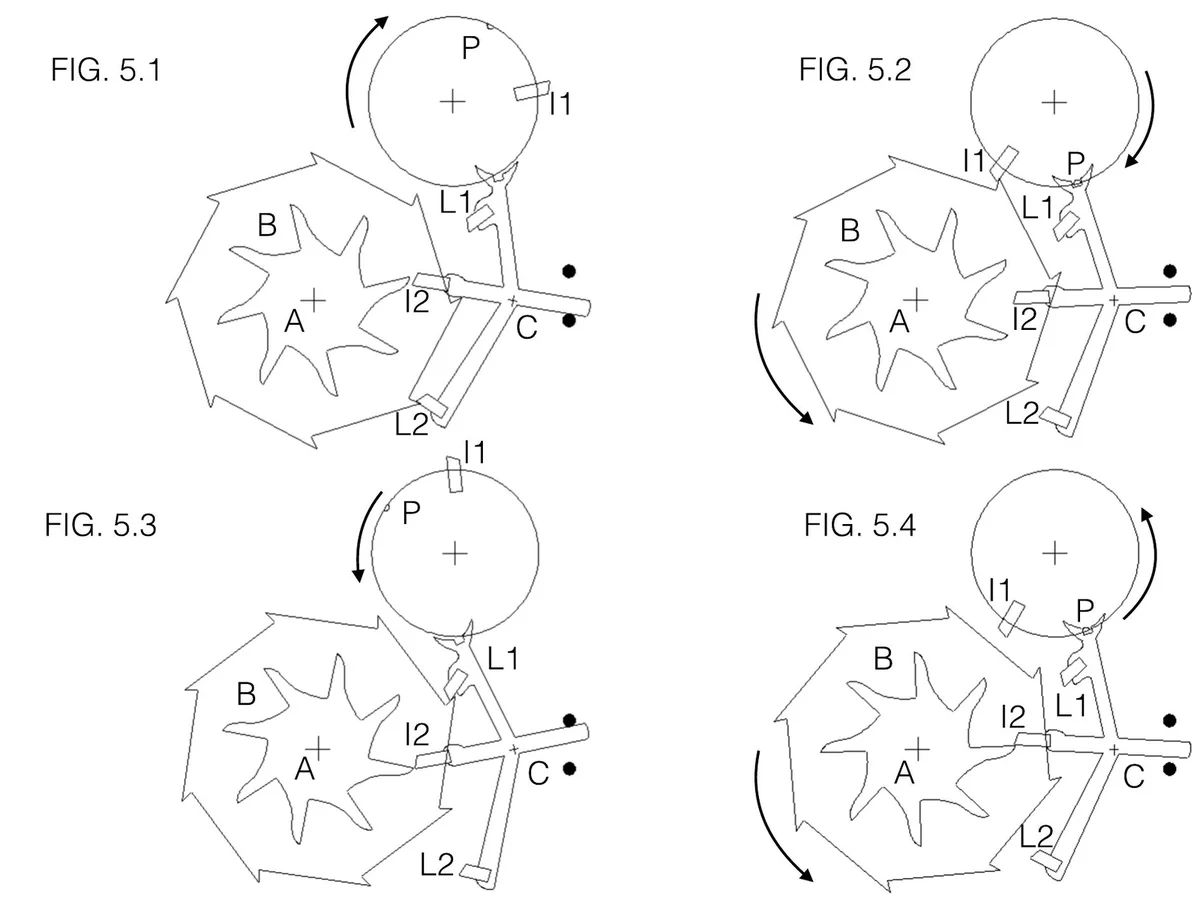
Daniels' co-axial escapement uses two escape wheels stacked on a single axle (co-axial means sharing the same axis). Instead of sliding contact, the impulse is delivered through a direct radial push. Think of the difference between dragging your finger across a table (sliding friction) and tapping it (impact). The co-axial delivers energy through tapping, not dragging. The pallet stones barely touch the escape wheel teeth. Friction drops dramatically, and with it, the dependence on lubrication.
Industry Resistance
Daniels spent over a decade trying to convince the Swiss industry to adopt it. He approached every major brand. They all turned him down. They said it could not be industrialized. They said the tolerances were too tight for mass production. Omega finally licensed the technology in the late 1990s and launched it in 1999 as caliber 2500, which was an existing ETA 2892 with a co-axial module grafted on. It was a compromise, and early examples had some reliability issues.
Caliber 8500 and Beyond
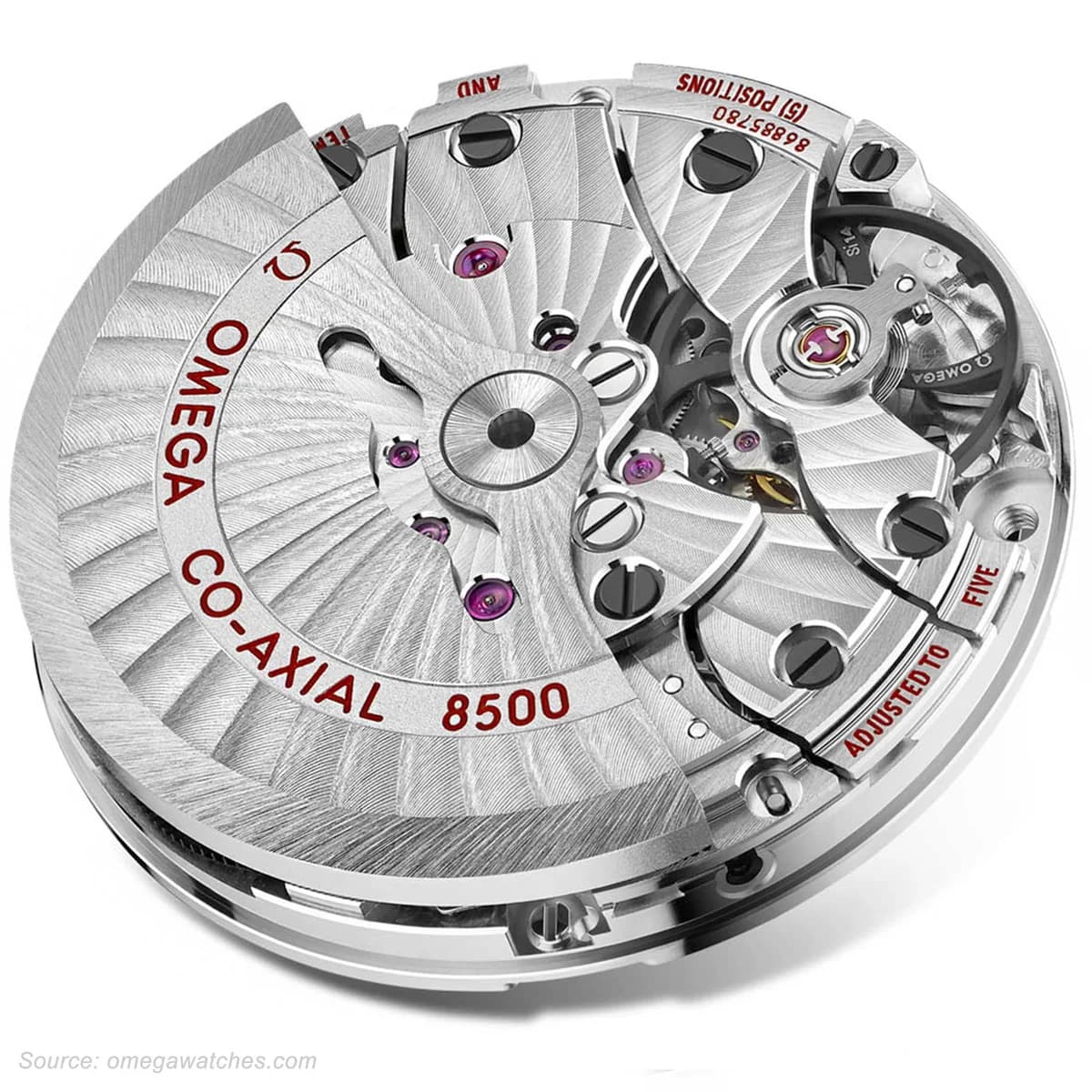
The real breakthrough came with caliber 8500 in 2007, which Omega designed from the ground up around the co-axial escapement. This was the movement Daniels had envisioned: purpose-built, not retrofitted. Then came caliber 8900, further refined, and today every Omega movement uses the co-axial. Daniels' invention went from being rejected by the entire Swiss industry to becoming standard equipment in one of the largest watch brands in the world.
In practice, Omega still lubricates the co-axial pallets because testing showed it improves long-term performance. But the service intervals are much longer, and the rate stability over time is measurably better than a conventional lever escapement. The escapement needs less oil, and the oil it does use matters less as it degrades.
The Legacy
Daniels died in 2011. His apprentice Roger Smith continues making watches on the Isle of Man using the co-axial escapement, entirely by hand, producing about 10 per year. The watches in this collection that use the co-axial, every single Omega, carry the legacy of a man who was told his idea was impractical and spent 20 years proving otherwise.
Persistence
What I respect most about this story is the persistence. Daniels was not a hobbyist tinkering in a garage. He was arguably the most accomplished watchmaker alive, and the industry still told him no. He kept going. The co-axial is now in millions of watches. The Swiss lever escapement was the standard for 250 years, and one self-taught Englishman improved it.