
Incredible MovementsLesson 5 of 10 · 3 min read
Seiko Spring Drive: The Third Way
Neither mechanical nor quartz. Something new entirely.
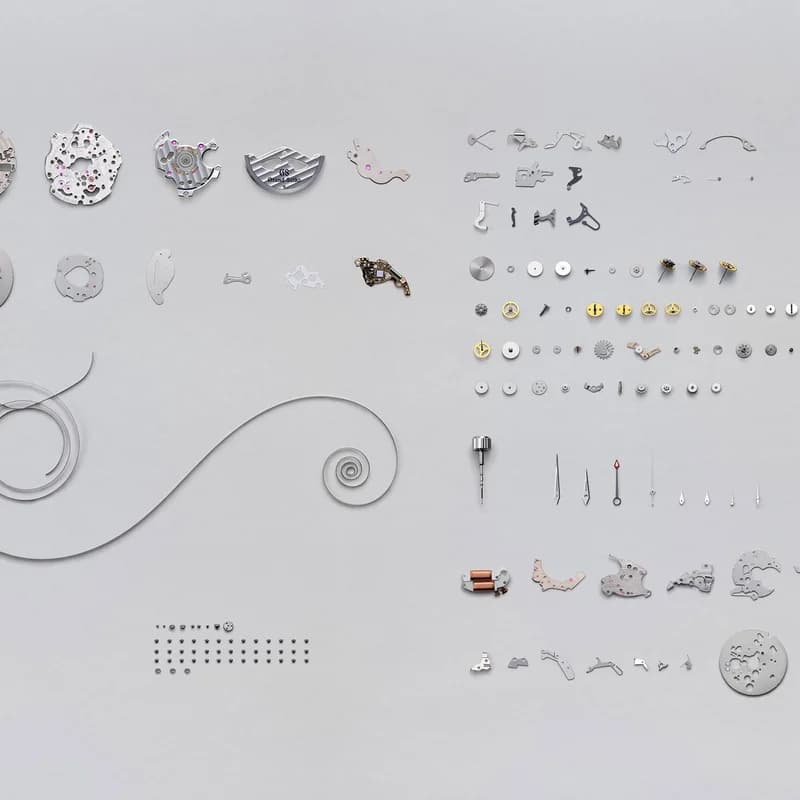
Most people think there are two types of watch movements: mechanical and quartz. Seiko invented a third category. The Spring Drive, developed by engineer Yoshikazu Akahane over 28 years, is powered by a mainspring like a mechanical watch but regulated by a quartz oscillator like an electronic one. It sounds like a contradiction. It is actually brilliant.
How It Works
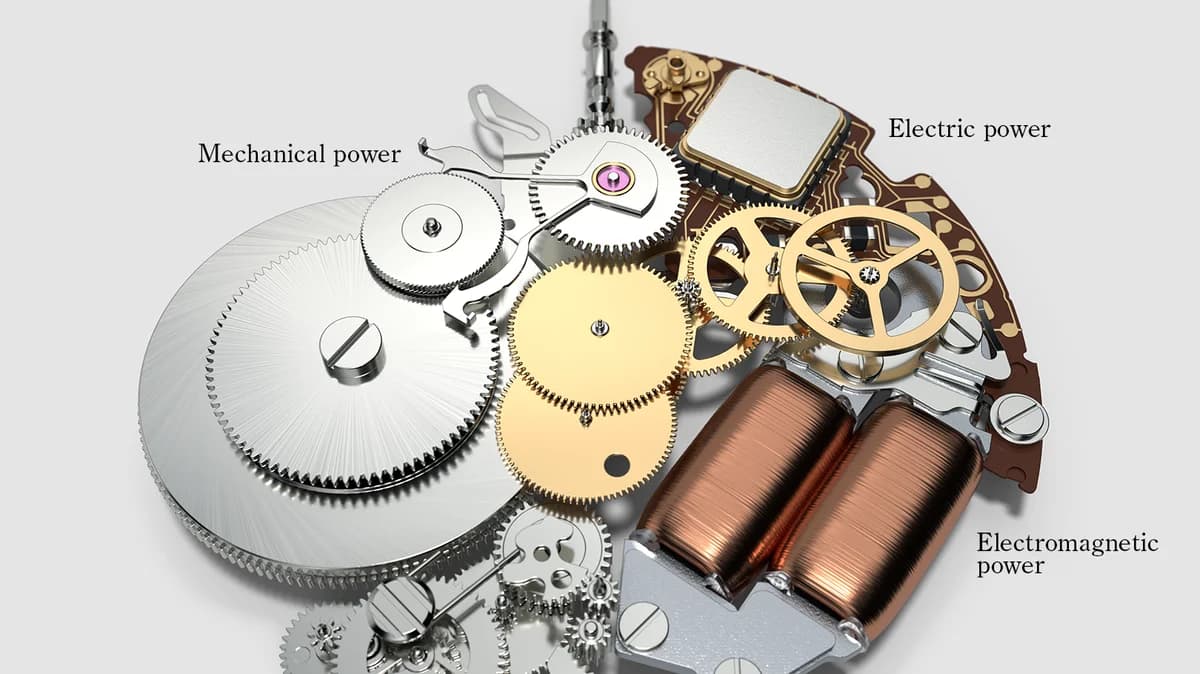
Here is how it works. The mainspring unwinds through a conventional gear train, just like any mechanical watch. But instead of an escapement at the end of the train, there is a component called the glide wheel. As the glide wheel spins, it passes through a stator coil and generates a tiny amount of electricity through electromagnetic induction. No battery. The electricity comes from the mechanical energy of the mainspring itself.
The Quartz Regulator
That electricity powers an integrated circuit and a quartz crystal oscillator vibrating at 32,768 Hz. The IC compares the actual rotation speed of the glide wheel against the quartz reference signal. If the glide wheel is spinning too fast (meaning the mainspring is delivering too much torque), the IC applies an electromagnetic brake to slow it down. The braking is continuous and infinitely variable. It is not an on-off switch. It is a proportional control system.
The Glide Motion
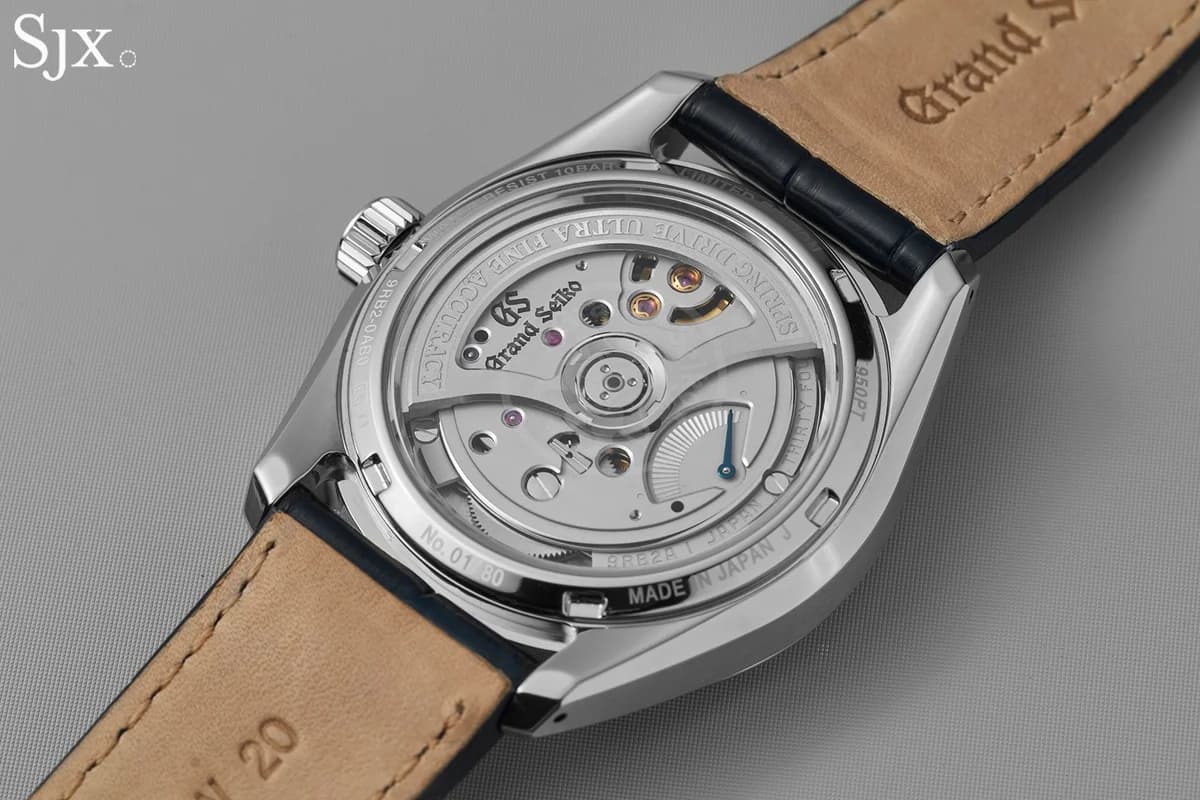
The visible effect is the glide motion seconds hand. Because there is no escapement, there is no tick. The seconds hand sweeps in a perfectly smooth, continuous motion. It is mesmerizing to watch. Once you see it, the staccato tick of a conventional mechanical feels like it is missing something.
Accuracy and Craft
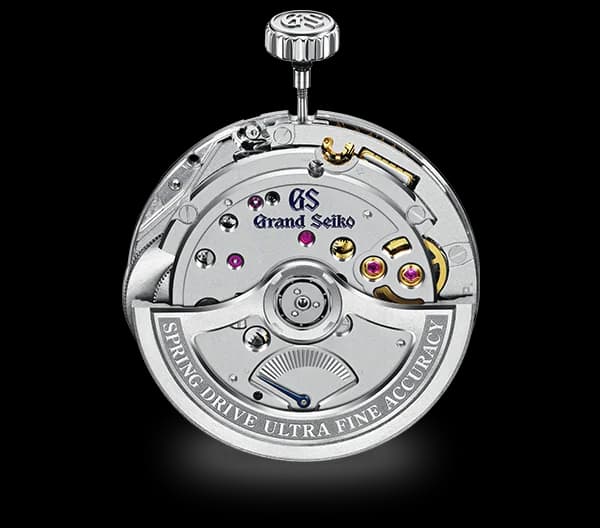
Spring Drive is accurate to plus or minus one second per day, and some calibers achieve plus or minus 0.5 seconds per day. That is roughly ten times more accurate than a standard COSC-certified mechanical and approaching quartz territory. But it is powered by a mainspring, wound by a rotor, and built with the same craftsmanship that Grand Seiko applies to its mechanical movements, including hand-polished Zaratsu surfaces that reflect like still water.
The name Tri-synchro Regulator comes from the three types of energy the system harmonizes: mechanical (the mainspring), electrical (generated by the glide wheel), and electromagnetic (the braking force). No other movement does this. Seiko spent 28 years developing it, from Akahane's first prototype in 1977 to the commercial launch in 1999. It is genuinely a category of one.
The Best of Both
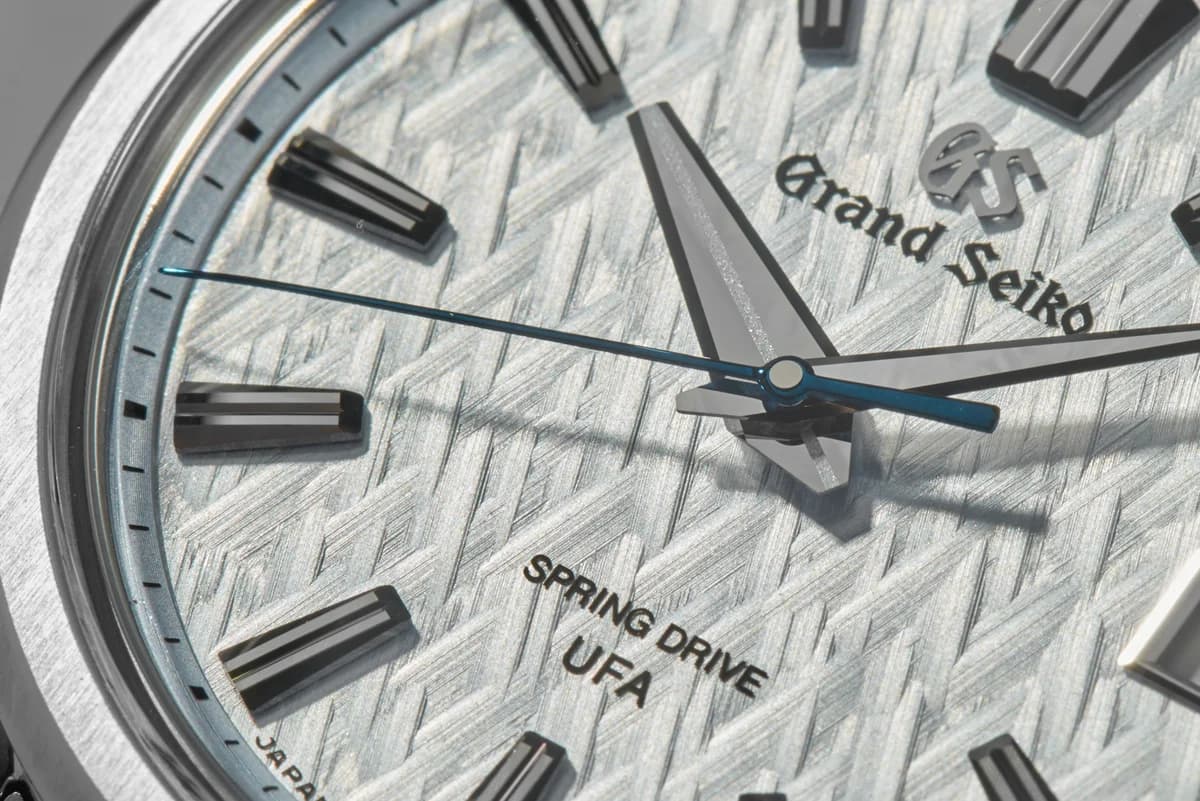
I love the Spring Drive because it represents the same kind of thinking I see in the best product design. Instead of choosing between two existing paradigms, someone asked: what if we took the best of both? The mainspring gives it the soul of a mechanical watch. The quartz regulation gives it accuracy that mechanical purists thought was impossible without a battery. And the glide motion is proof that when you remove a 250-year-old compromise (the escapement), something beautiful happens.