
Incredible MovementsLesson 4 of 10 · 3 min read
Philippe Dufour: Hand Finishing as Philosophy
One man, 80-year-old tools, and the most beautifully finished movement in existence
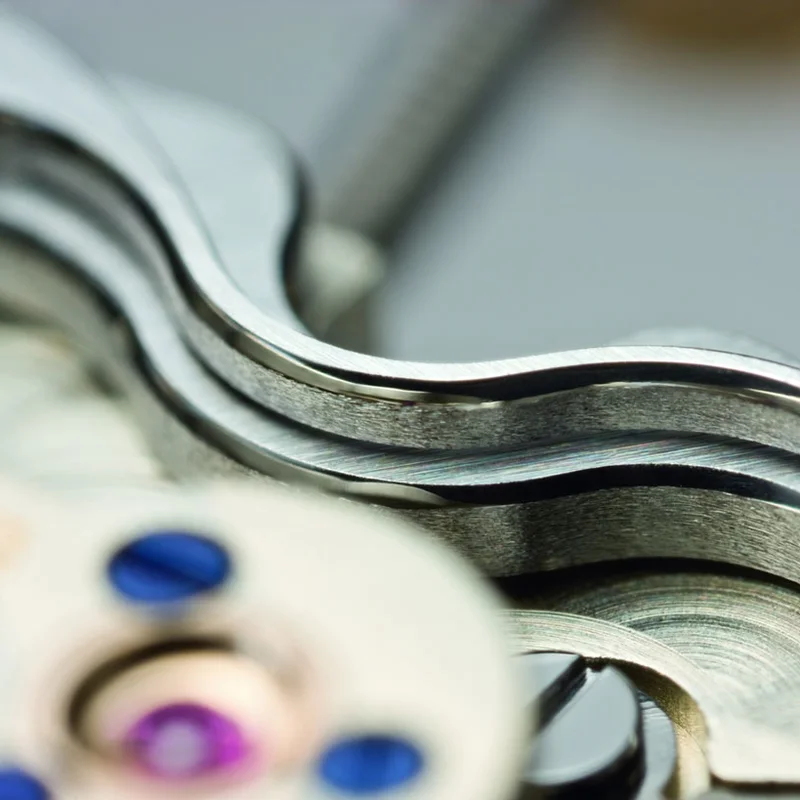
Philippe Dufour works alone in the Vallee de Joux, using tools that are in some cases 80 or 90 years old. The Simplicity, caliber 11, is a time-only watch. No date, no complications. Just hours, minutes, seconds. And it is widely considered the most beautifully finished mechanical watch movement in existence.
Geneva Stripes by Hand
What Dufour does cannot be replicated by a machine. The Geneva stripes on the bridges are hand-applied, and you can tell because they are not perfectly uniform. They have a depth and luster that machine-applied stripes cannot achieve. They are broad, dramatic, and lustrous, with deep grooves that display a remarkable gradation of light and shadow. The irregularity is the proof of the hand. It is also what makes them beautiful.
The Art of Anglage
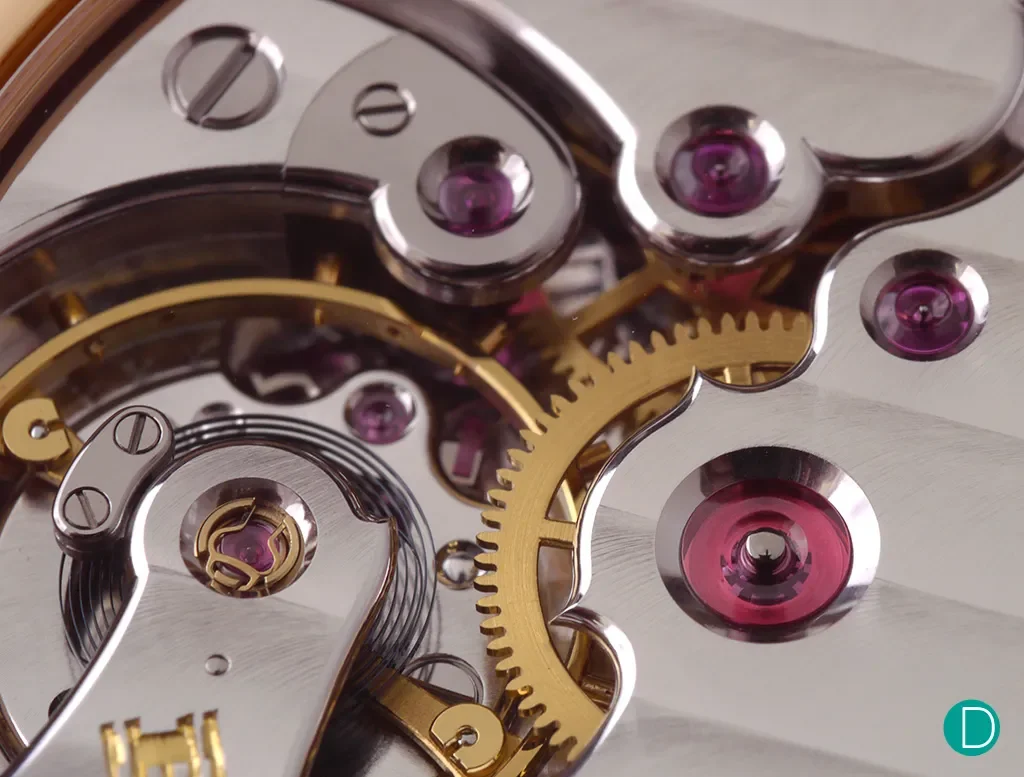
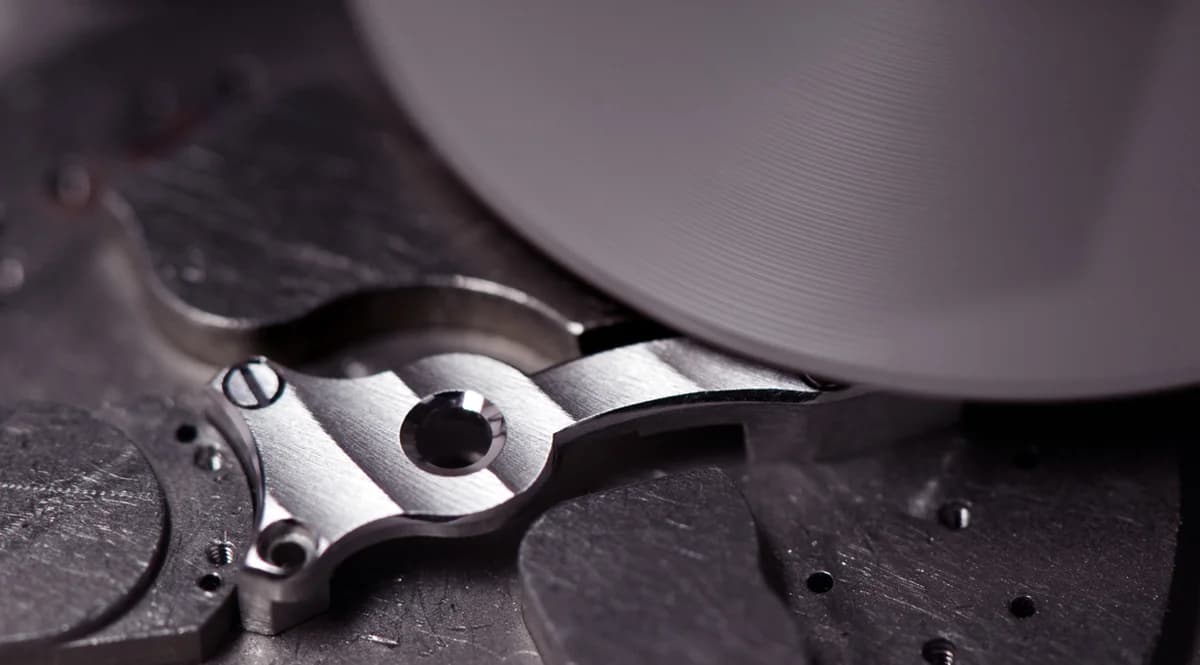
The edge chamfering, called anglage, is done entirely by hand. The external edges are already difficult, requiring steady pressure against rotating abrasive discs. But the internal angles, the inside corners of bridge cutouts where no machine tool can reach, are where Dufour separates himself from everyone else. Each internal angle might take an hour of work. The result is a polished, reflective bevel that catches light at shifting angles, creating the illusion that the edge is illuminated from within.
Black Polish
The screws are black polished. This is a process where steel is rubbed by hand against successively finer abrasive compounds under sustained, consistent pressure until the surface achieves a deep, mirror-like black finish. One scratch and you start over. A single screw can take hours. The Simplicity has many screws.
The Numbers
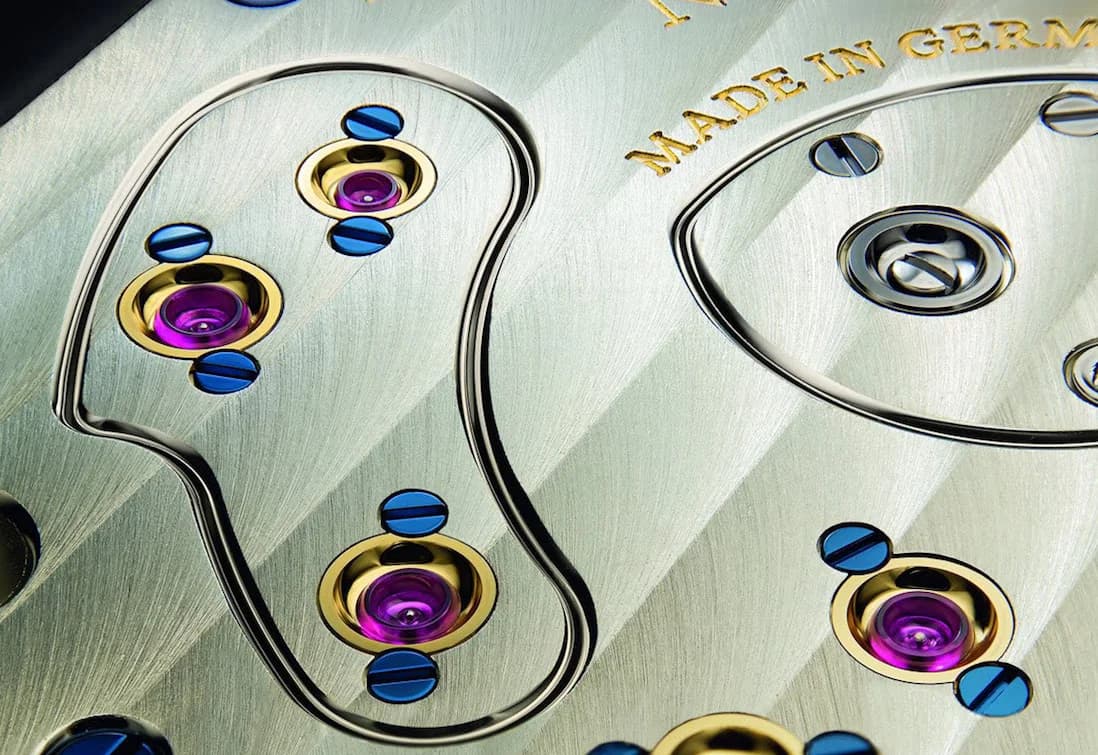
Over roughly 12 years, Dufour and his small team produced about 200 Simplicity watches. That is roughly 16 to 17 per year. Each movement took weeks to finish. The Cal. 11 runs at 2.5 Hz (18,000 bph) with a 52-hour power reserve, uses a free-sprung balance with a Breguet overcoil hairspring. There is nothing in the specifications that you would call exotic. The magic is entirely in the execution.
Simple, Done Perfectly
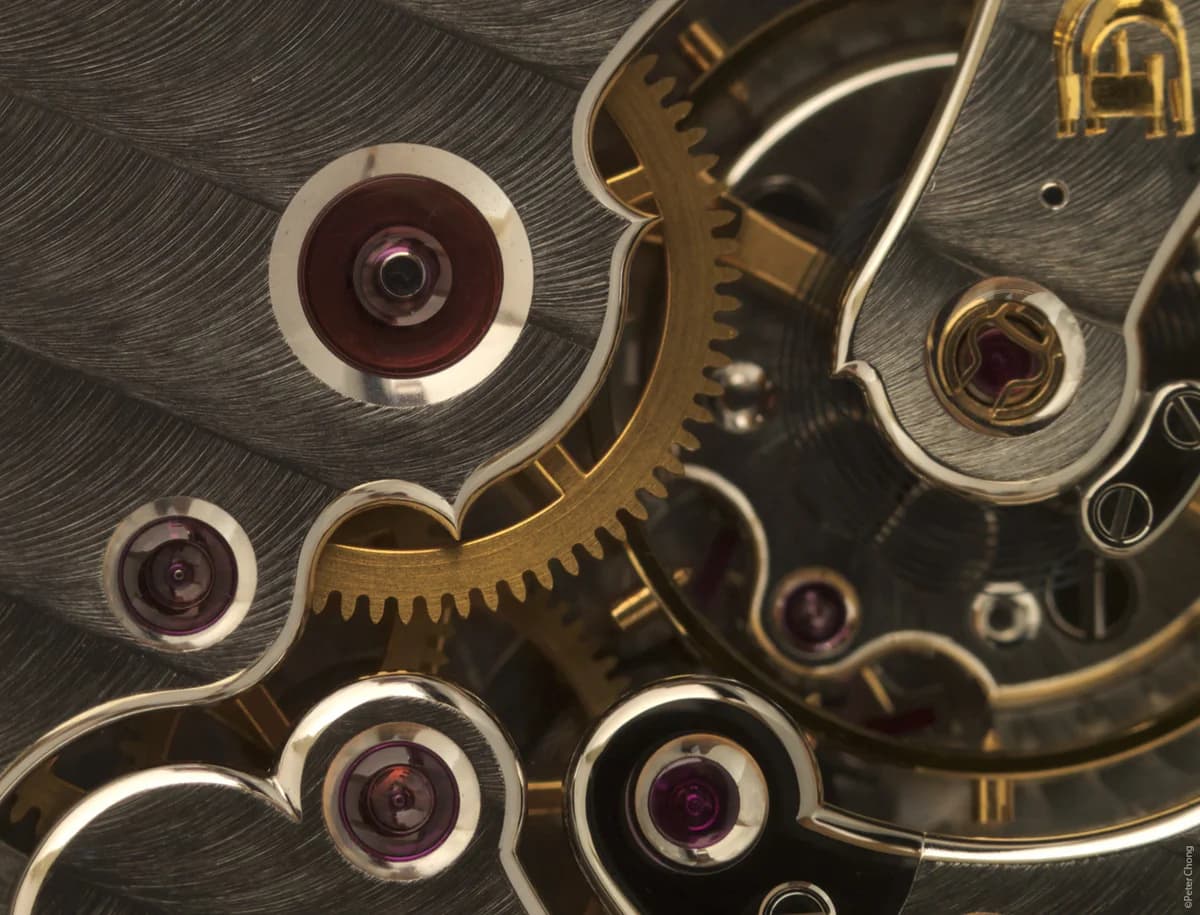
I think about this a lot. Dufour is not doing something complicated. He is doing something simple with such extraordinary care that it becomes the standard by which all other work is measured. The Simplicity is a three-hand watch. It tells the time. But when you look at the movement under magnification, you see the difference between functional and transcendent. That difference is hours of quiet work with old tools in a small workshop in Switzerland.