
Kurono Tokyo
Sensu Collection
Sensu NOS / Jubilee Sensu EOL
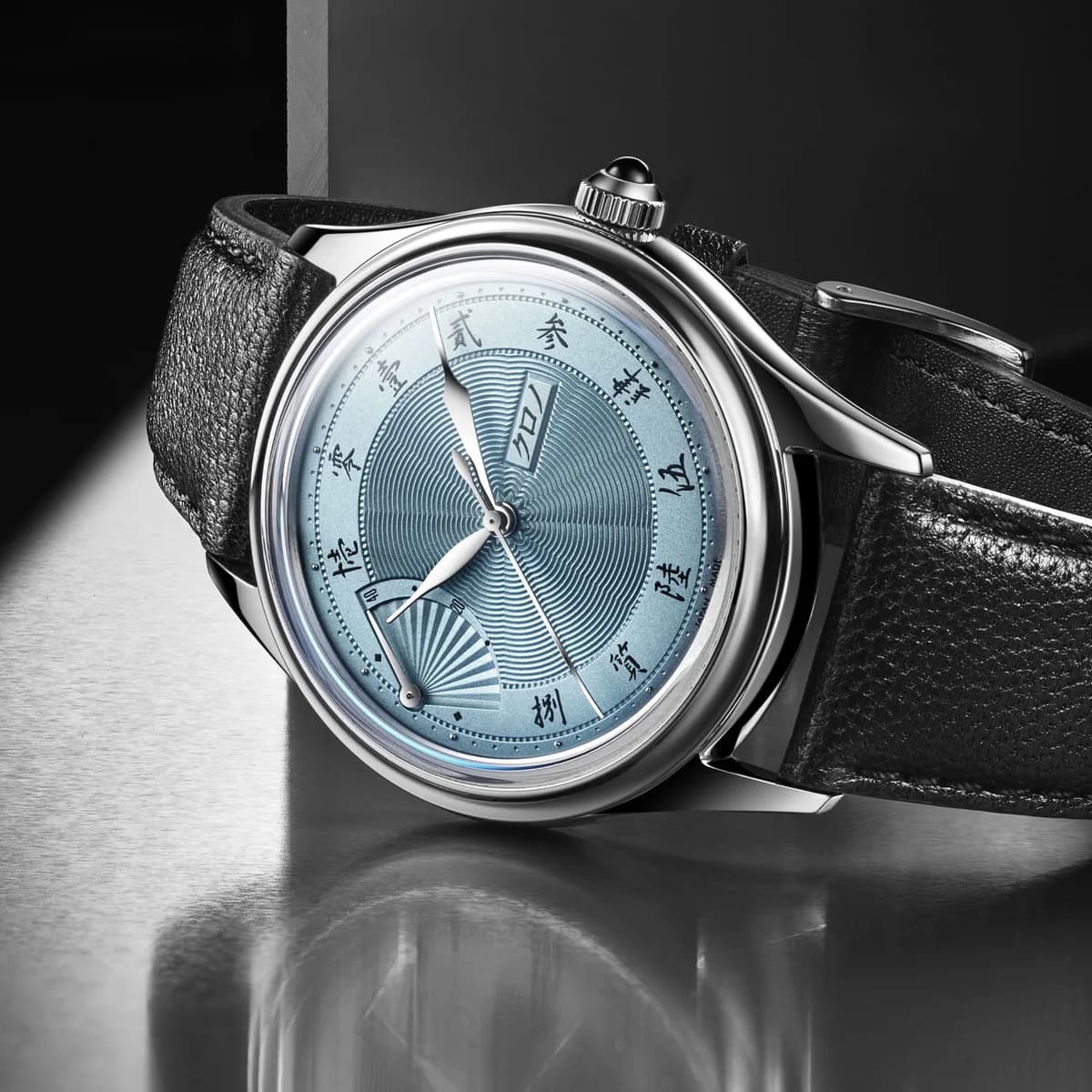
The Sensu line is where Hajime Asaoka's design instincts meet mechanical scarcity. The word sensu means folding fan in Japanese, and the guilloché power reserve indicator shaped like an opening fan is the visual thread connecting the watches in this collection. I find the concept behind these watches more interesting than almost anything else happening in independent watchmaking right now, because the design story and the supply story are completely intertwined. Asaoka is not just choosing movements for his watches. He is buying the last remaining stock of movements that will never be manufactured again, modifying them by hand, and building watches around them that are mechanically irreplaceable by definition. When the movements run out, the watches stop being produced. There is no reorder. There is no next batch. That constraint is the entire point.
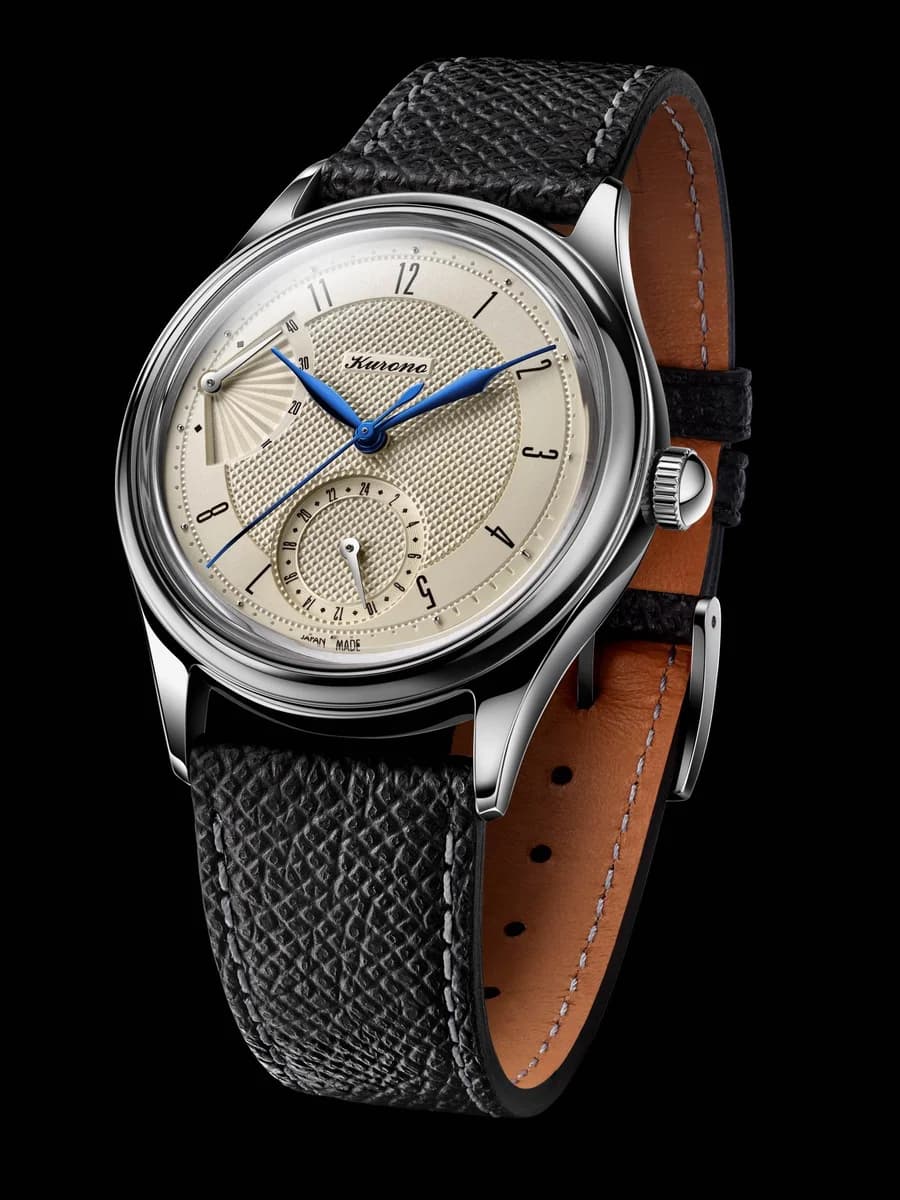
Hajime Asaoka was born in Kanagawa, Japan in 1965 and graduated from the Department of Design at the Faculty of Fine Arts at the Tokyo University of the Arts in 1990. His path into watchmaking was unusual. He is entirely self-taught as a watchmaker, having produced his first watch in 2005 and his first tourbillon in 2009. The Hajime Asaoka atelier produces fully handmade watches in a range that places him among the most exclusive independent watchmakers in the world. Kurono Tokyo, launched in 2019, is the accessible line. It uses sourced Japanese movements from Miyota and Citizen rather than hand-built calibers, which allows Asaoka to produce watches in larger (though still limited) quantities. Every Kurono dial is personally designed and prototyped by Asaoka. Dial paints and finishes are mixed by hand. Fonts are individually created and lettered by him. The brand name itself, Kurono, is a Japanese phonetic rendering of "chrono," written in Katakana on every dial. I appreciate that the name is simultaneously a tribute to Western watchmaking tradition and an assertion of Japanese identity.
The first Sensu was the Reserve de Marche Sensu NOS, released in October 2024. NOS stands for new old stock. In 2022, Asaoka purchased the entire remaining inventory of the Miyota Caliber 9134 directly from Citizen. The 9134 is a premium automatic movement with 26 jewels, a power reserve indicator, and a 24-hour subdial, beating at 28,800 vibrations per hour with 40 hours of reserve. The movement measures 30.2mm in diameter and stands 5.52mm tall. It winds in one direction via a ball-bearing rotor, has a Parashock anti-shock system, and hacks. Citizen had discontinued production of the 9134, and Asaoka bought every last unit. He then modified each movement by removing the calendar mechanism and regulating the accuracy to his own standards, redesignating the result as the Caliber 9134PWT. The PWT stands for Precision Watch Tokyo, the parent company behind Kurono. That designation exists nowhere else in watchmaking. It is a movement that Citizen designed, Citizen manufactured, Citizen abandoned, and Asaoka saved.
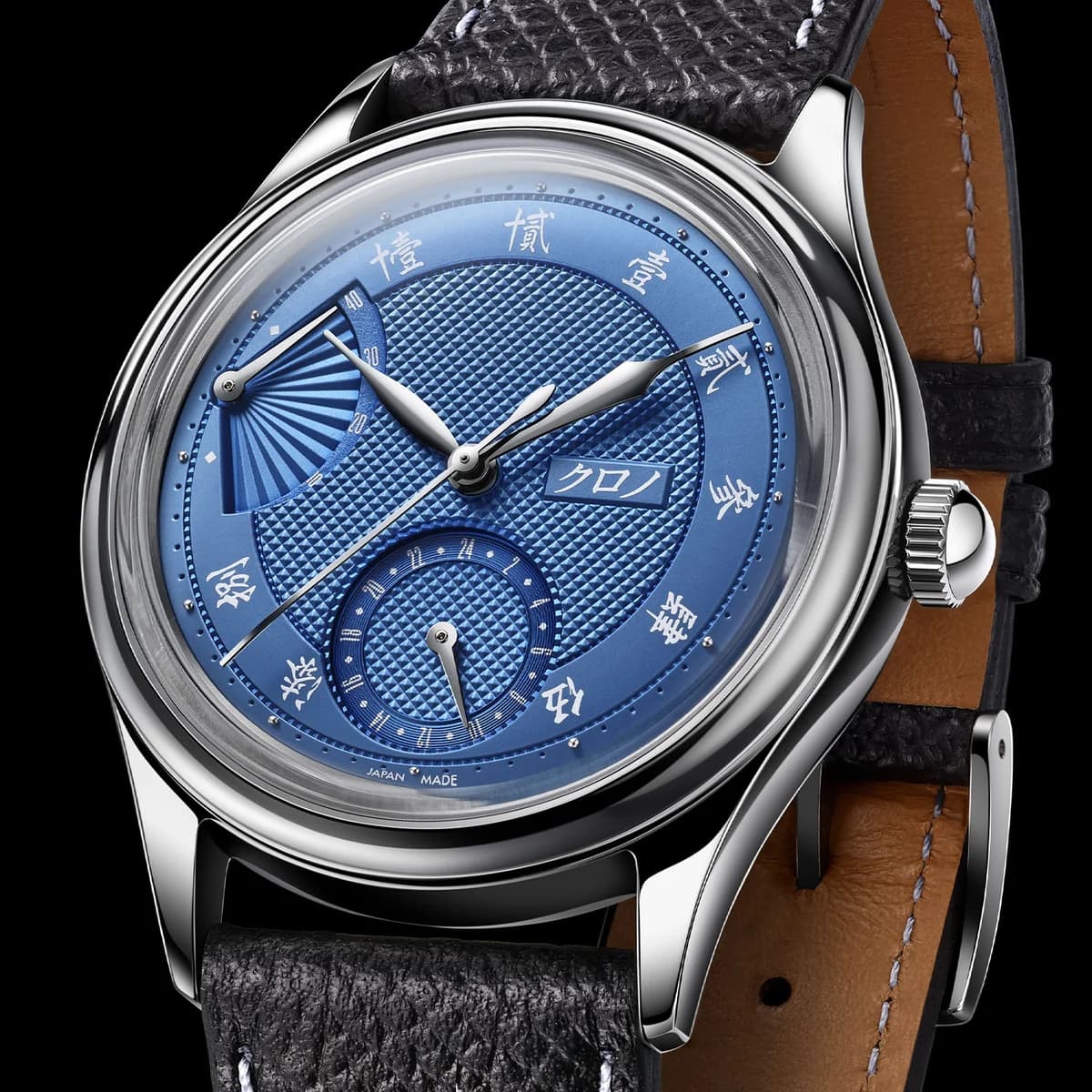
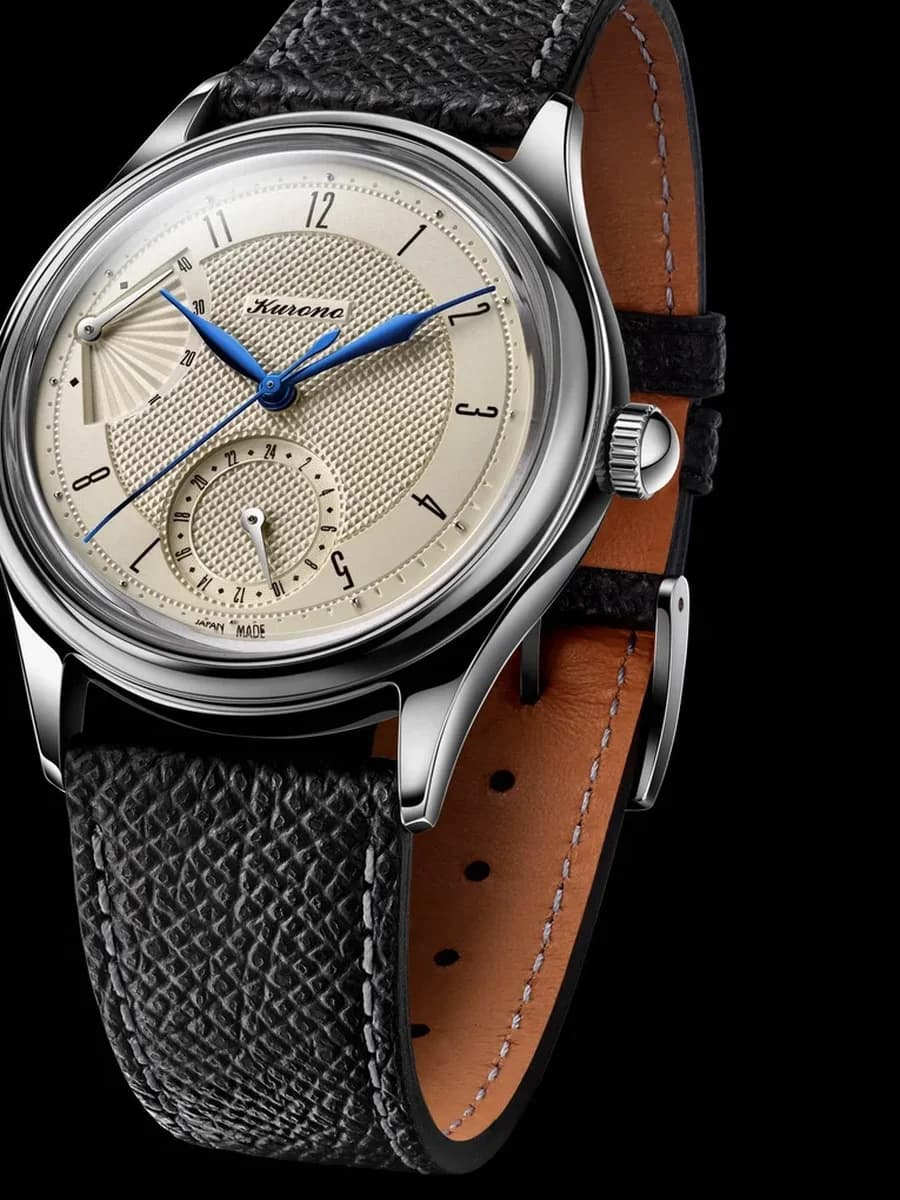
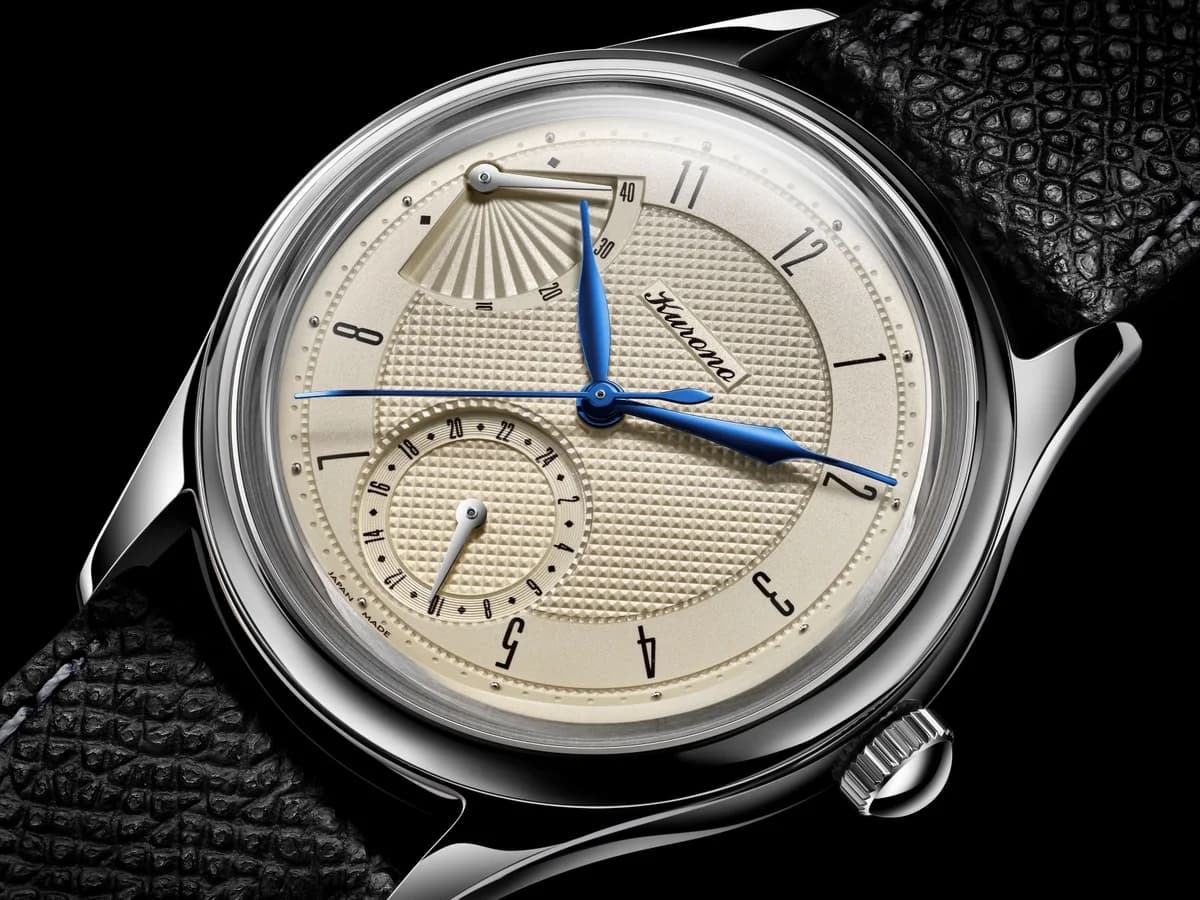
The NOS case is 38mm in high-polished 316L stainless steel at 11.2mm thick, including the box-shaped sapphire crystal. The lug-to-lug measurement is 45.6mm with a 20mm lug width, and water resistance is rated to 50 meters. It wears on a textured calf leather strap with a steel pin buckle. Two dial variants were produced, cream and blue. The cream variant features Arabic numerals with heat-treated blued steel hands, and there is something about that combination of warm cream and vivid blue that I find deeply satisfying. The blue hands are not painted. They are heated to approximately 300 degrees Celsius until the oxidation layer produces that specific shade of blue. Heat-treated steel hands have a depth and luster that paint cannot replicate, and at this segment of the market, having genuine blued steel rather than painted blue is a meaningful detail. The blue variant uses old-style Kanji numerals with polished steel hands, carrying the same character set as the Grand Hagane from the urushi collection. Both dials feature the Kurono script in Asaoka's hand-designed font.
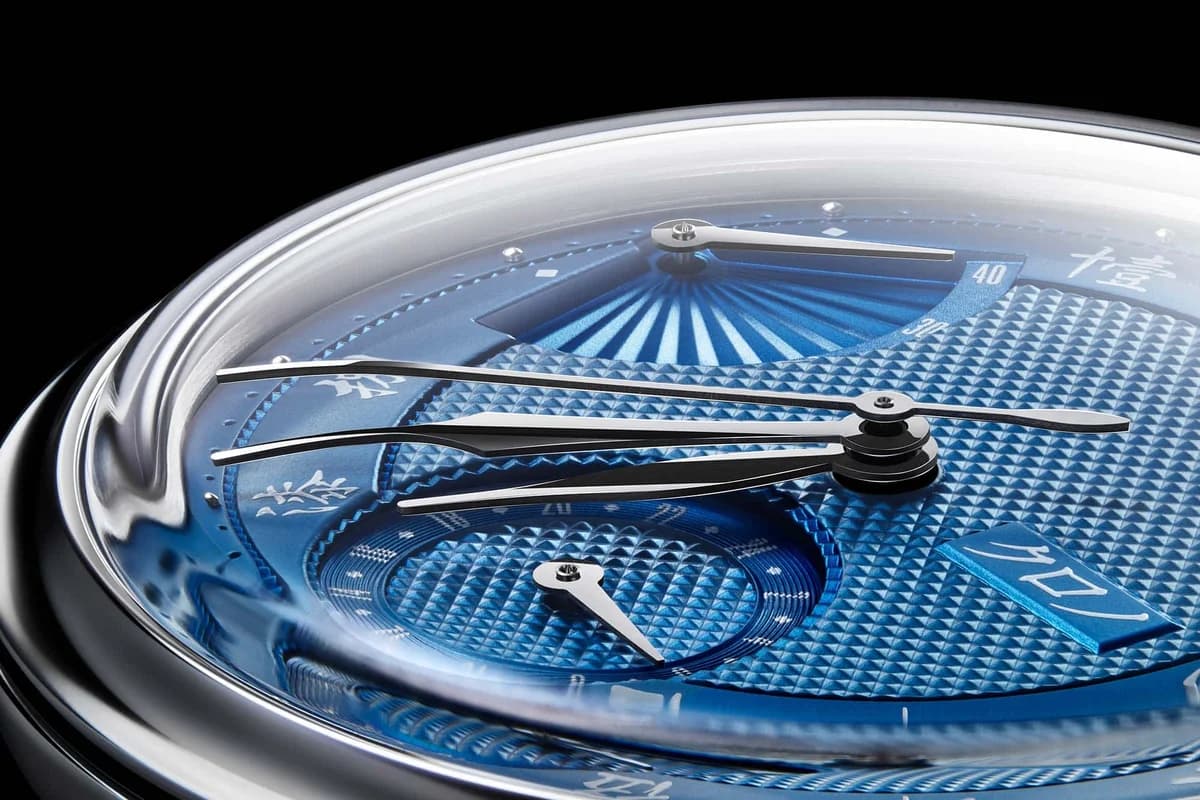
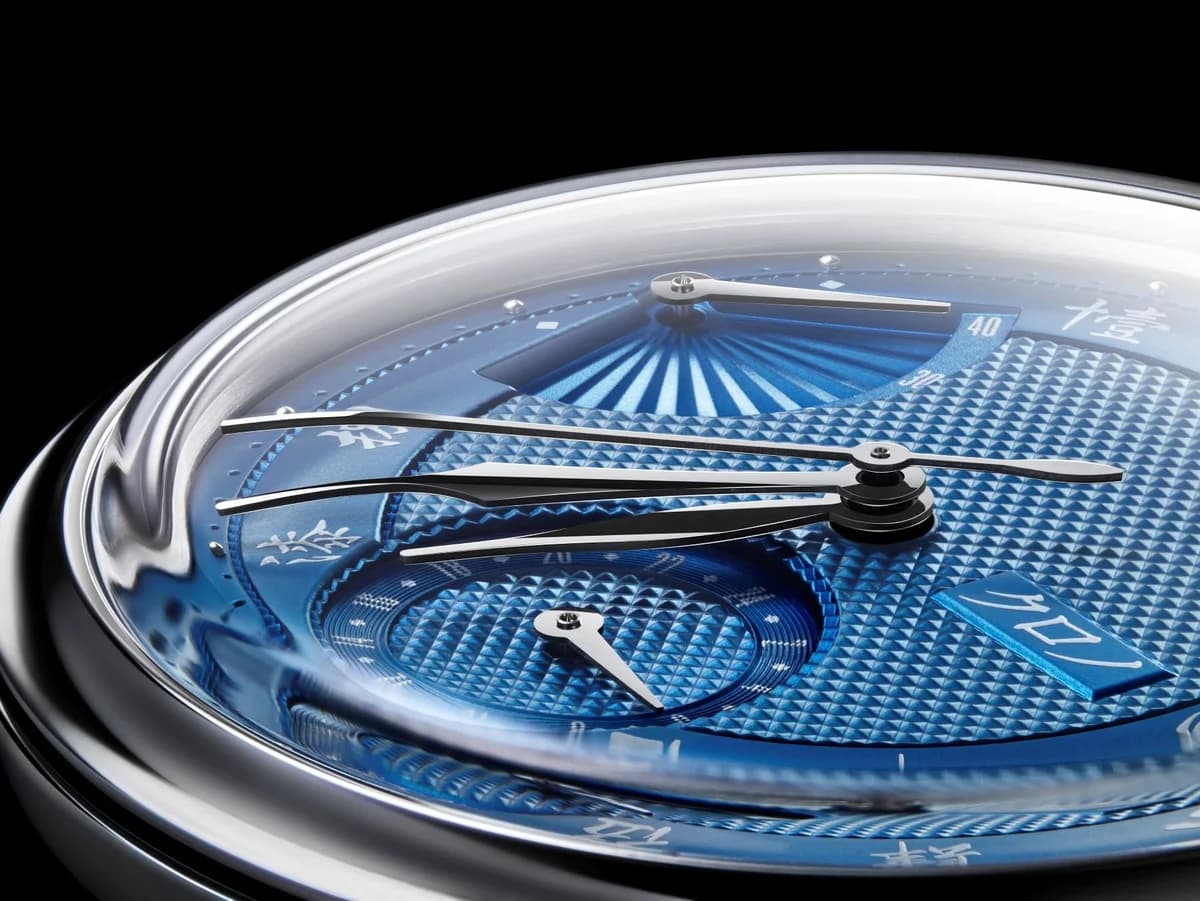
The dial construction on the NOS is a stamped Clou de Paris guilloché center. I want to be precise about this because the terminology matters. Traditional guilloché is engine-turned, meaning the pattern is mechanically engraved into metal using a rose engine lathe. The Sensu NOS dials are stamped, not engraved. The Clou de Paris pattern, a grid of small pyramids that catch light at different angles, is pressed into the dial blank rather than individually cut. This is a cost-conscious production choice, and Asaoka does not hide it. What I find interesting is that the stamped result looks more authentic to my eye than many machine-turned alternatives at vastly higher complexity. The pyramids are crisp, the pattern is consistent, and the light play across the dial surface changes with every shift of the wrist. The fan-shaped power reserve indicator at ten o'clock is the centerpiece. When the mainspring is fully wound, the fan is fully open. As the reserve depletes over 40 hours, the fan slowly closes. At six o'clock, a 24-hour subdial tracks day and night, following the main hour hand rather than operating independently. The convex dial profile, with all textures embossed from a single piece, gives the entire surface a gentle curve that follows the dome of the box sapphire crystal above it.
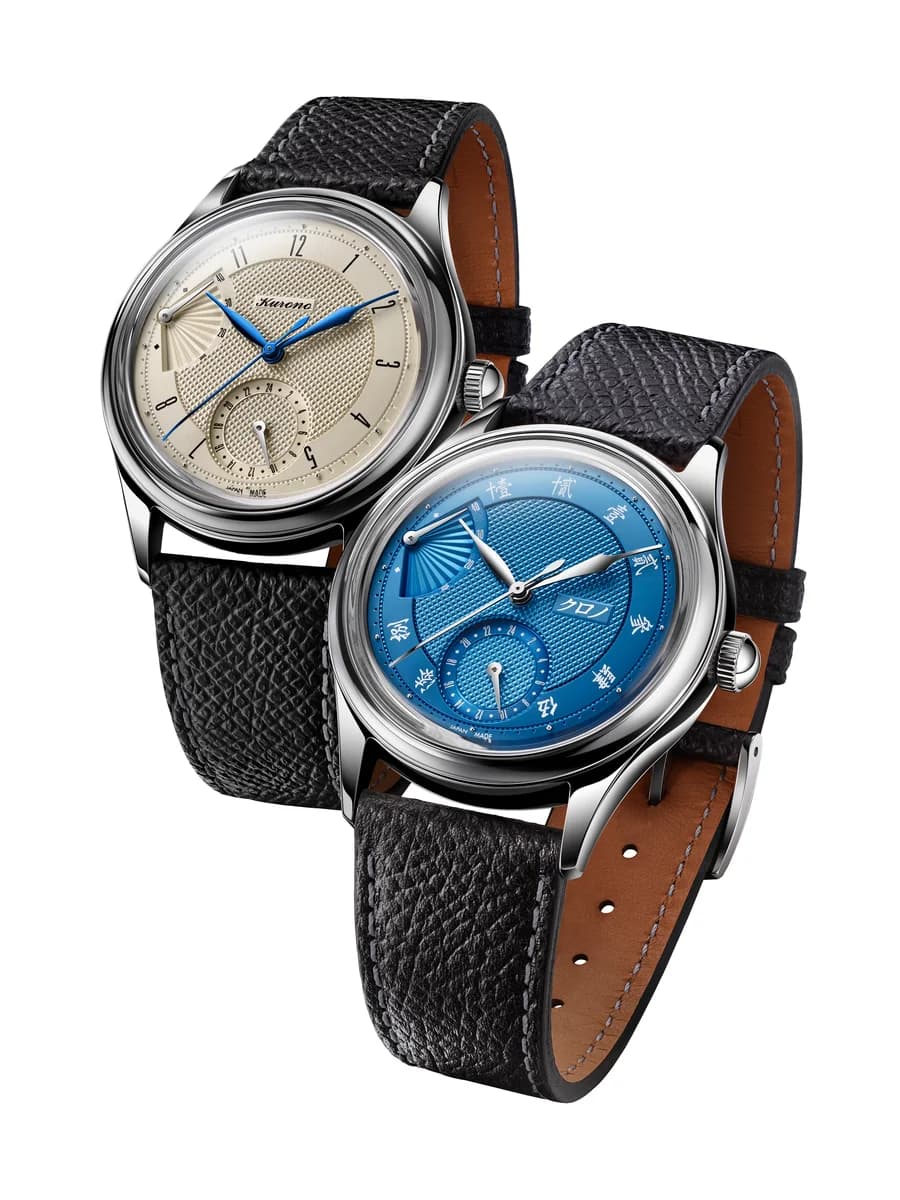
The Jubilee Sensu EOL followed in May 2025, celebrating Asaoka's 60th birthday. EOL means end of life, referring to the movement inside. This time the caliber is the Miyota 9133, another discontinued movement that Citizen has stopped manufacturing. Asaoka again purchased remaining stock, modified each movement to remove the date complication, and designated the result as Caliber CP25BA. The 9133 shares the same core architecture as the 9134: 26 jewels, 28,800 vibrations per hour, 40 hours of power reserve. The case dimensions are identical to the NOS, 38mm at 11.2mm thick with 45.6mm lug-to-lug and 50 meters of water resistance. But the dial is where the EOL diverges entirely.
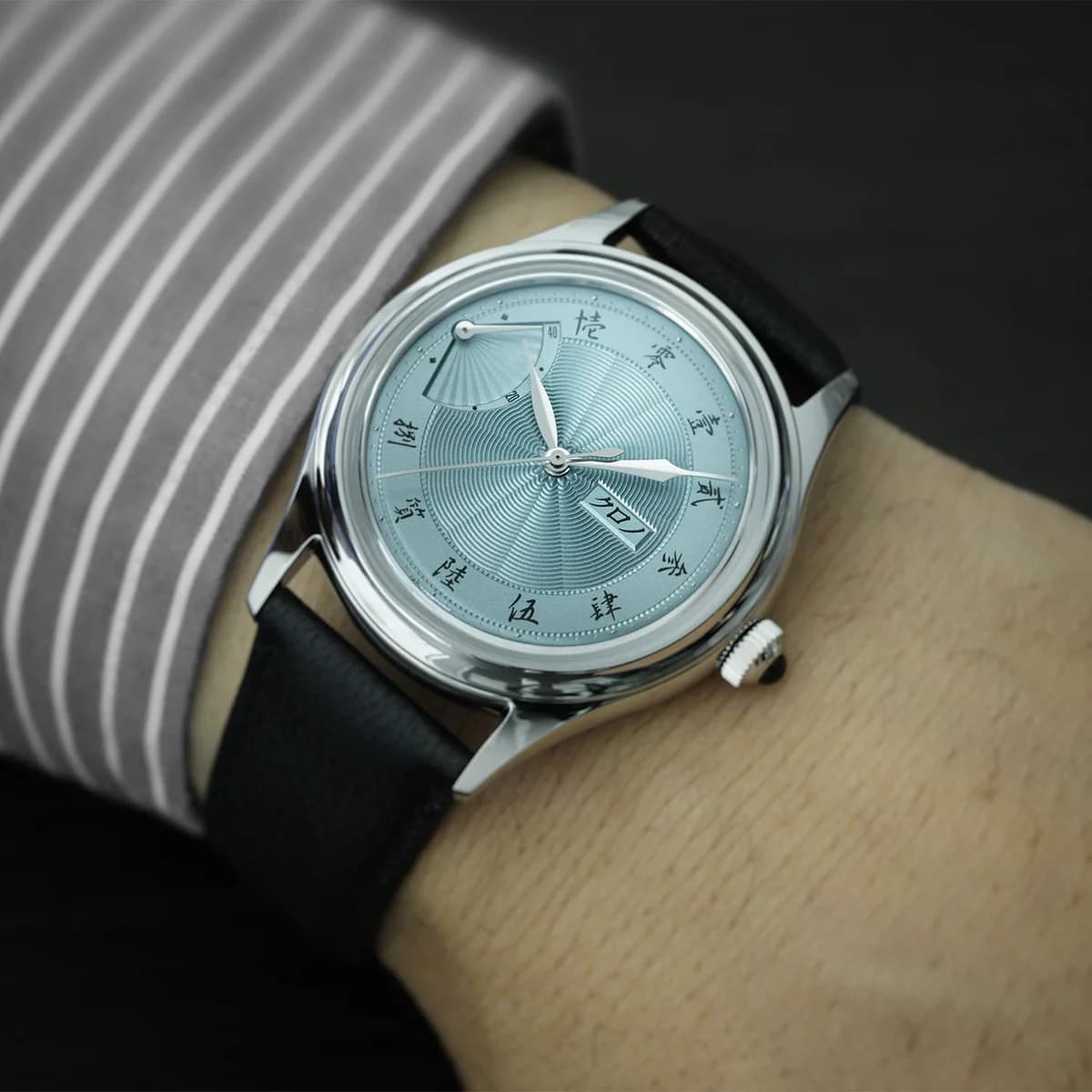
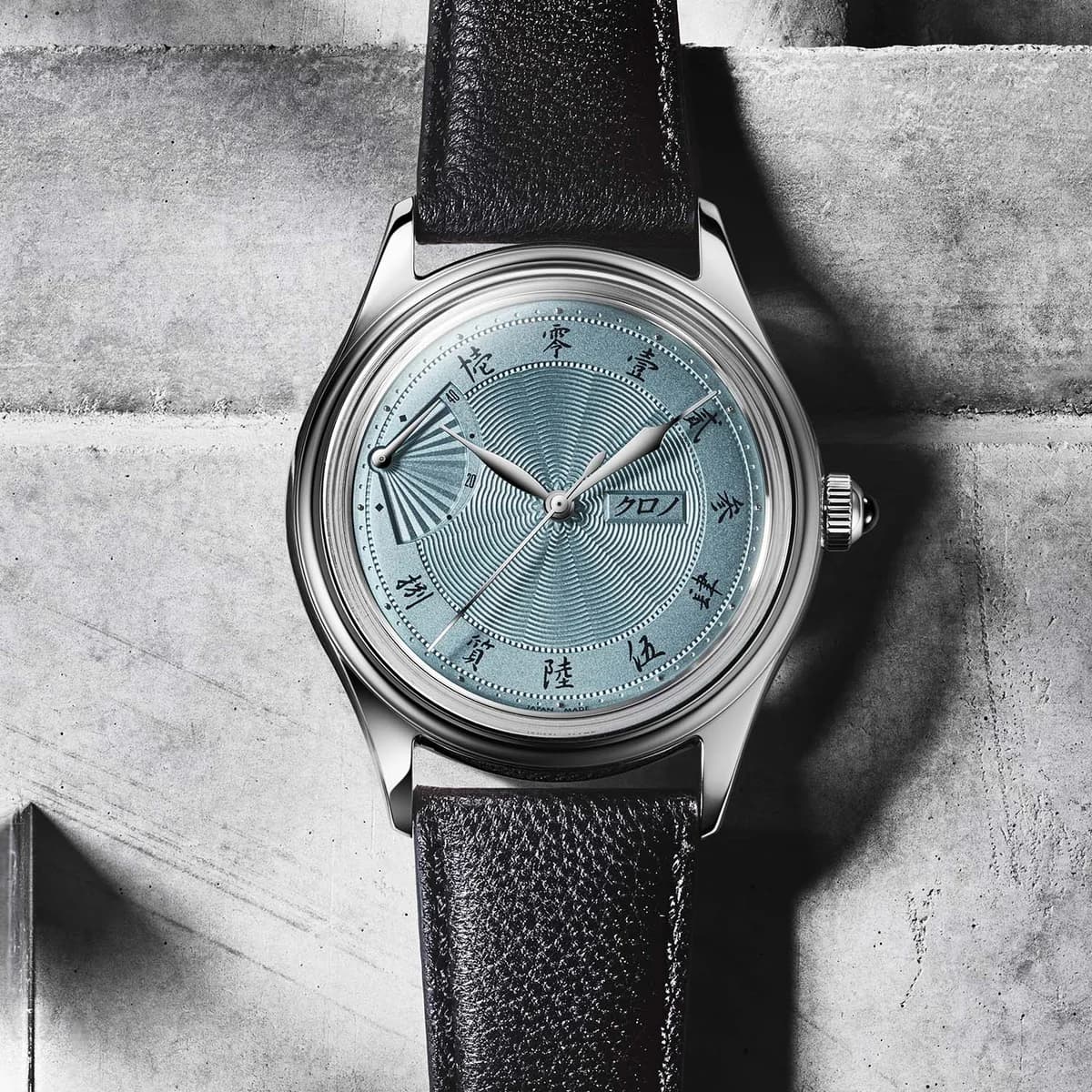
The Shiraai name translates to white indigo, a reference to the traditional Japanese indigo dyeing technique where the lightest wash of indigo produces a pale, almost silver blue. The ice-blue metallic dial is silver-plated with the guilloché pattern applied over it, and the result is unlike any blue dial I have encountered on any watch. It is lighter and cooler than the blue NOS, almost silver in certain light, shifting toward a true ice blue when direct light hits the surface. The center of the dial has a chrysanthemum wave pattern in concentric guilloché that radiates outward, catching and releasing light as the wrist moves. The periphery carries Kanji numerals in black against the pale blue field with polished steel domed hour markers. The hands are polished steel, hand-bent to follow the curve of the dial and crystal. And the crown, for the first time in the Kurono lineup, has a black onyx cabochon. That small detail, a polished black stone set into the crown tip, gives the EOL a visual signature that none of the other Kurono models share. It is the kind of detail that most people will never notice, but the first time you catch it while winding the watch, it registers.
What connects the Sensu watches is a philosophy that Asaoka has not stated explicitly but that becomes obvious when you look at the pattern. He is not just designing dials and cases. He is rescuing calibers. Citizen decided the market did not need the 9134 or the 9133 anymore. Asaoka decided otherwise. He bought the remaining stock, modified each movement by hand, and created movement designations that exist nowhere else. The 9134PWT and the CP25BA are movements that were born at Citizen, abandoned by Citizen, and reborn at Kurono. I find this genuinely compelling because it inverts the normal relationship between a watch brand and its movement supplier. Most brands source movements as commodities, interchangeable parts that exist to make the hands turn. Asaoka treats them as artifacts worth preserving. The movements themselves are part of the story, not just the machinery behind it.
The guilloché work on the Sensu dials deserves closer attention. Guilloché as a technique dates back centuries in European watchmaking, with brands like Breguet building their entire visual identity around engine-turned dials. What Asaoka does with the Sensu is take that European tradition and filter it through Japanese design sensibility. The Clou de Paris pattern on the NOS is the same grid of pyramids you would find on a Breguet Classique, but the fan-shaped power reserve indicator transforms a functional complication into something that reads as Japanese art. The sensu fan is one of the oldest symbols in Japanese culture, representing prosperity and the unfolding of life. Using it as a power reserve display connects the mechanical function of the watch to a cultural symbol that precedes mechanical watchmaking by centuries. As the mainspring winds down, the fan closes. As you wind it or wear it, the fan opens. It is the most visually poetic power reserve indicator I have seen on any watch at any level.
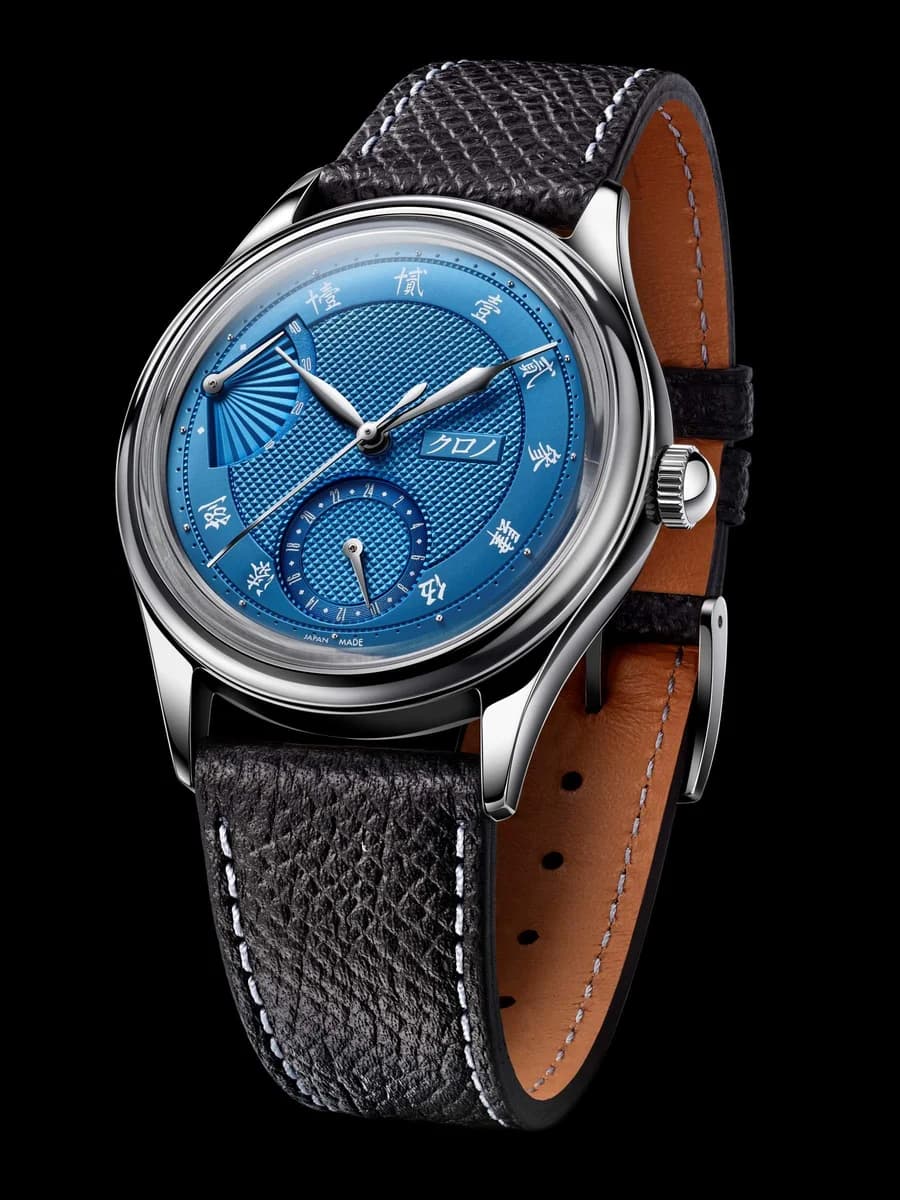
The 38mm case is a full millimeter wider than the 37mm Classic and Grand Series. On paper that sounds trivial. On the wrist, it gives the guilloché room to breathe. The Clou de Paris pattern reads as texture from a distance and as architecture up close. Each tiny pyramid is a light-catching surface that shifts as the wrist moves. The effect is a dial that is never static. It is always doing something different depending on where the light falls. The fully polished case is a deliberate aesthetic choice that separates Kurono from the brushed-and-polished finishing typical of Swiss watches in this segment. Full polish catches light aggressively, which means the case is constantly reflecting its environment. On my 6.5-inch wrist, 38mm with that polished finish reads as dressy without being formal. The box sapphire crystal, with its slightly domed vintage-inspired profile, adds to the impression. It catches reflections at angles that a flat crystal would not, which contributes to the overall sense of depth when you look at the dial.
I want to address the honest tradeoffs of the Sensu watches because I think they matter. The most obvious one is the solid caseback. Both the NOS and EOL use solid steel casebacks, which means you never see the movement. For watches built around the story of rescued discontinued calibers, the inability to see those calibers through an exhibition caseback feels like a missed opportunity. I understand the practical reasons. A solid caseback provides better water resistance at 50 meters, reduces case thickness, and costs less to manufacture. But when the entire narrative of the Sensu line is built around what is inside the case, hiding it behind steel is a tension that I notice every time I think about these watches. The other tradeoff is the strap change system. The Sensu uses traditional spring bars with a simple pin buckle, which means swapping straps requires a spring bar tool. Kurono does not offer a quick-release mechanism on any of its models. Given that the 38mm polished case lends itself to different strap options for different contexts, a quick-release system would add meaningful versatility. The calf leather strap itself is nicely textured and comfortable, but the lack of a deployant clasp means the strap end tucks through a traditional pin buckle, which some people find less secure than a folding mechanism.
The movements themselves carry a practical consideration that is worth understanding. The Miyota 9134 and 9133 are quality automatic movements, but they are not COSC-certified chronometers. The accuracy specification after Asaoka's regulation is not publicly stated, and individual results will vary. The 40-hour power reserve is adequate but not generous by modern standards, where many automatics in this segment offer 60 to 72 hours. If you take the watch off on Friday evening, it will be stopped by Sunday morning. That is not a flaw, it is the reality of the movement's barrel architecture, but it means this is a watch that wants to be worn regularly or wound by hand before putting it on. The uni-directional winding rotor is also worth noting. It only winds the mainspring when rotating clockwise, which means it takes slightly longer to reach full wind from daily wear compared to a bidirectional rotor. These are characteristics of the movement platform, not deficiencies in Asaoka's execution, and they are the kind of details that separate informed appreciation from blind enthusiasm.
The broader Kurono Tokyo lineup provides context for where the Sensu sits. The Classic and Grand Series at 37mm use the Miyota 90S5, a simpler automatic without complications. The Calendrier adds a calendar function. The Chronograph uses the Miyota 6S21 meca-quartz. The GMT adds a second time zone. The Sensu, with its power reserve and 24-hour indicators on a discontinued movement, occupies the most complex mechanical position in the Kurono range. It is also where Asaoka's philosophy of mechanical preservation is most visible. The urushi lacquer dials on the Grand Series are about surface artistry. The Sensu is about what happens when you build a watch around a movement that the world has decided to stop making.
Styling is where the Sensu collection does something that I find genuinely useful. The fully polished 38mm case in steel is neutral enough to pair with almost anything. On darker skin, the polished steel catches warm light in a way that creates a subtle glow at the wrist, and the cream NOS dial in particular sits in a color family that complements melanin-rich complexions beautifully. The blue NOS reads cooler and more contemporary. The Shiraai EOL, with its ice-blue metallic dial, is the most versatile of the group because the pale blue shifts toward silver in certain light, making it effectively neutral. I notice that the polished case and box sapphire crystal give these watches a dressier presence than their specifications might suggest. Under a Carlo Barbera tropical weight wool suit jacket, the Sensu disappears under the cuff at 11.2mm thick and 38mm wide. With rolled linen sleeves on a weekend afternoon, it sits on the wrist as a quiet point of interest rather than a statement piece. The textured calf leather strap, in black, keeps the overall tone understated. I would love to see Asaoka offer a brown or tan strap option for the cream NOS, because the warm dial would pair beautifully with a lighter leather.
What Asaoka has built with the Sensu line sits in a space that no other brand occupies. Nobody else is buying discontinued Citizen calibers in bulk, modifying them by hand, removing the complications they do not want, regulating the accuracy to their own standards, and putting the results inside watches with stamped guilloché dials and folding fan power reserve indicators. The entire concept depends on scarcity that is real rather than manufactured. Limited editions in the watch industry are often artificial constraints designed to create urgency. The Sensu's limitation is genuinely mechanical. When the last modified 9134PWT is cased, the NOS is finished. When the last modified 9133 is cased, the EOL is finished. In my experience, there is a difference between a watch that is limited because a brand decided to stop making it and a watch that is limited because the movements it depends on have ceased to exist. The Sensu is the second kind, and that distinction matters to me. It transforms the watch from a product into a time capsule, a record of movements that Citizen created, the market ignored, and one self-taught watchmaker in Tokyo decided were worth saving.
Also in Artisan Craft