
Kurono Tokyo
Grand Series Urushi
Grand Akane / Grand Hagane / Grand Mori / Grand Urushi Aoyama
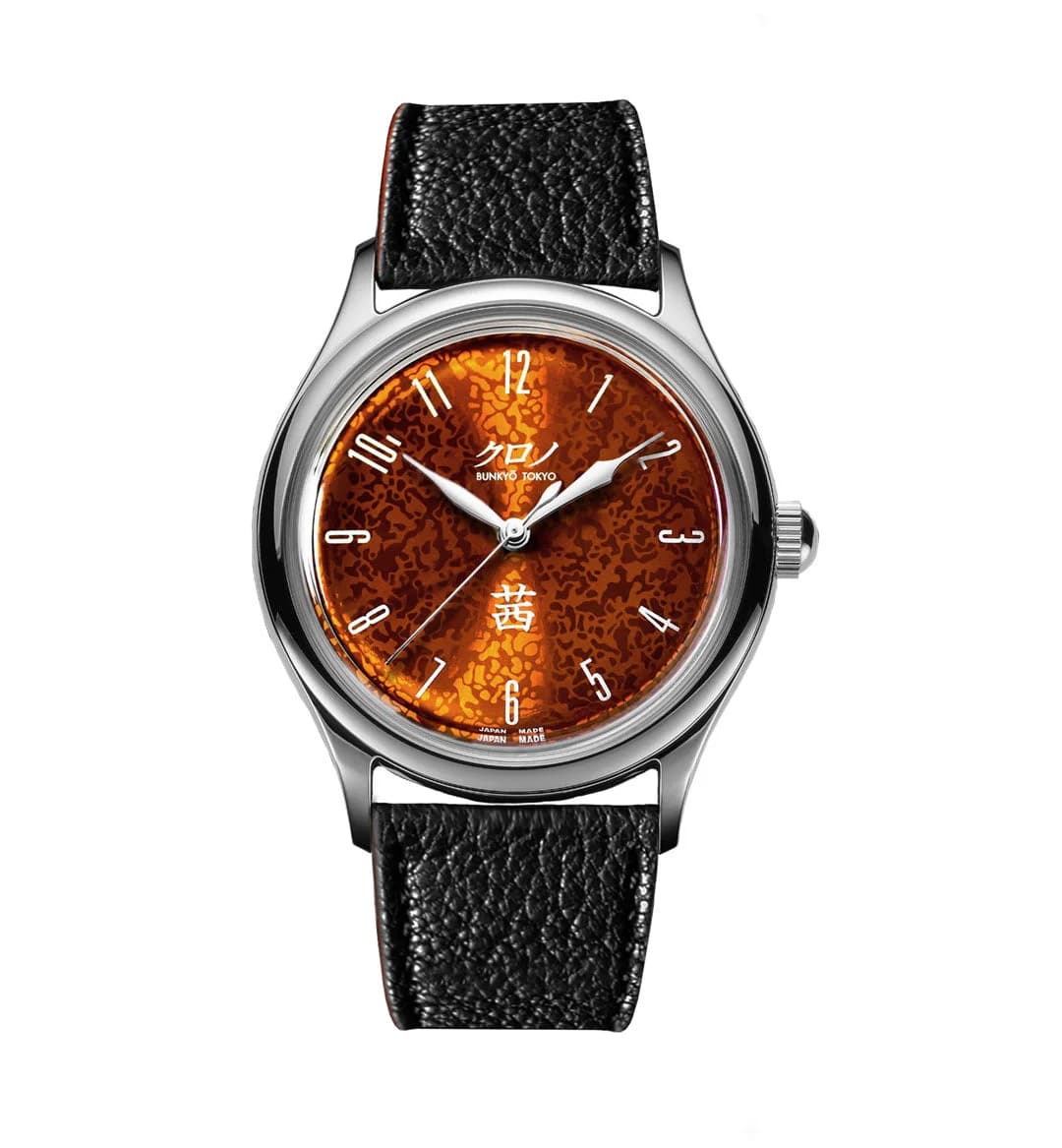
The Grand Series is where Kurono Tokyo stops being a watch brand and becomes something closer to a craft preservation project. Every Grand Series watch has a dial made from urushi lacquer, handcrafted by female artisans in Kyoto who inherited a technique introduced from Tang Dynasty China during the Nara Period, between 710 and 794 AD. That is not marketing language. It is a direct lineage of more than a thousand years, practiced today by a handful of master-level artisans. The Grand Series is my favorite expression of what Hajime Asaoka does with Kurono. I think about these dials differently than I think about any other watch in the collection, because the object on the wrist is not just a product. It is the living end of a craft tradition that most of the world has forgotten.
Urushi lacquer starts as sap from the Japanese lacquer tree, Toxicodendron vernicifluum. The trees must grow for 10 to 15 years before they produce enough sap to harvest. A tapper called a kakiko makes shallow horizontal incisions in the bark with a chisel-like tool, then returns every five days to scrape the accumulated sap into a container made from magnolia bark. A 20-centimeter diameter tree yields roughly 200 grams of sap over an entire season. The traditional Japanese practice is koroshi-kaki, the killing tap. Over five months, the tree is progressively tapped from bottom to top until every accessible area has been incised. Then the tree is cut down. New shoots emerge from the root system and reach tappable size in about ten years. What strikes me about this process is the patience embedded in it. A decade of growth for a single season of sap. That rhythm is built into the material itself before the artisan even touches it.
The active compound is urushiol, the same chemical family as poison ivy. Raw sap is roughly 65% urushiol, 25% water, and the rest is plant gum and a copper-containing enzyme called laccase. What makes urushi unlike any other finish on earth is that it does not cure by drying. It cures by absorbing moisture. The laccase enzyme uses oxygen and ambient humidity to trigger an oxidative polymerization reaction that cross-links the urushiol molecules into a thermoset polymer. Below 60% relative humidity, the reaction stops. The artisans cure each layer inside a muro, a wooden humidity cabinet, at 75 to 85% humidity and around 25 degrees Celsius. The result is a coating that resists water, dilute acids, alkalis, and temperatures up to 300 degrees. Archaeological evidence from the Kakinoshima site in Hokkaido dates urushi lacquerware to approximately 9,000 years ago, making it one of the oldest continuously practiced craft techniques in human history. The earliest finds are red-lacquered burial ornaments colored with bengara, iron oxide ground to a fine powder. Urushi precedes the wheel, precedes bronze, precedes written language in Japan. The craft survived the Jomon, Yayoi, Nara, and Heian periods. By the Muromachi era, maki-e decoration with gold and silver powder had become an emblem of imperial culture. Regional schools developed their own traditions: Wajima-nuri in Ishikawa, Tsugaru-nuri in Aomori, Ryukyuan lacquer in Okinawa. All of them work with the same sap from the same tree.
The artisans apply many thin layers of highly refined urushi, waiting for each to cure before applying the next. The full process takes approximately two months per dial. After the final layer, the polishing begins. The technique is called roiro-nuri. They start with togisumi charcoal from crape myrtle wood, soft enough to abrade without scratching. Then a finer charcoal pass. Then a thin wipe of raw lacquer pressed in with cotton and immediately wiped off with crumpled rice paper. Then a polish with tonoko clay powder mixed with oil. The final stage uses deer horn powder on bare fingertips. The work is so delicate that even the slightest wisp on a fingertip can cause striations in the finish. If that happens, the entire dial has to be rebuilt from scratch. There is no fixing a striation. There is no sanding it out. The dial is ruined and the two months of work start over.
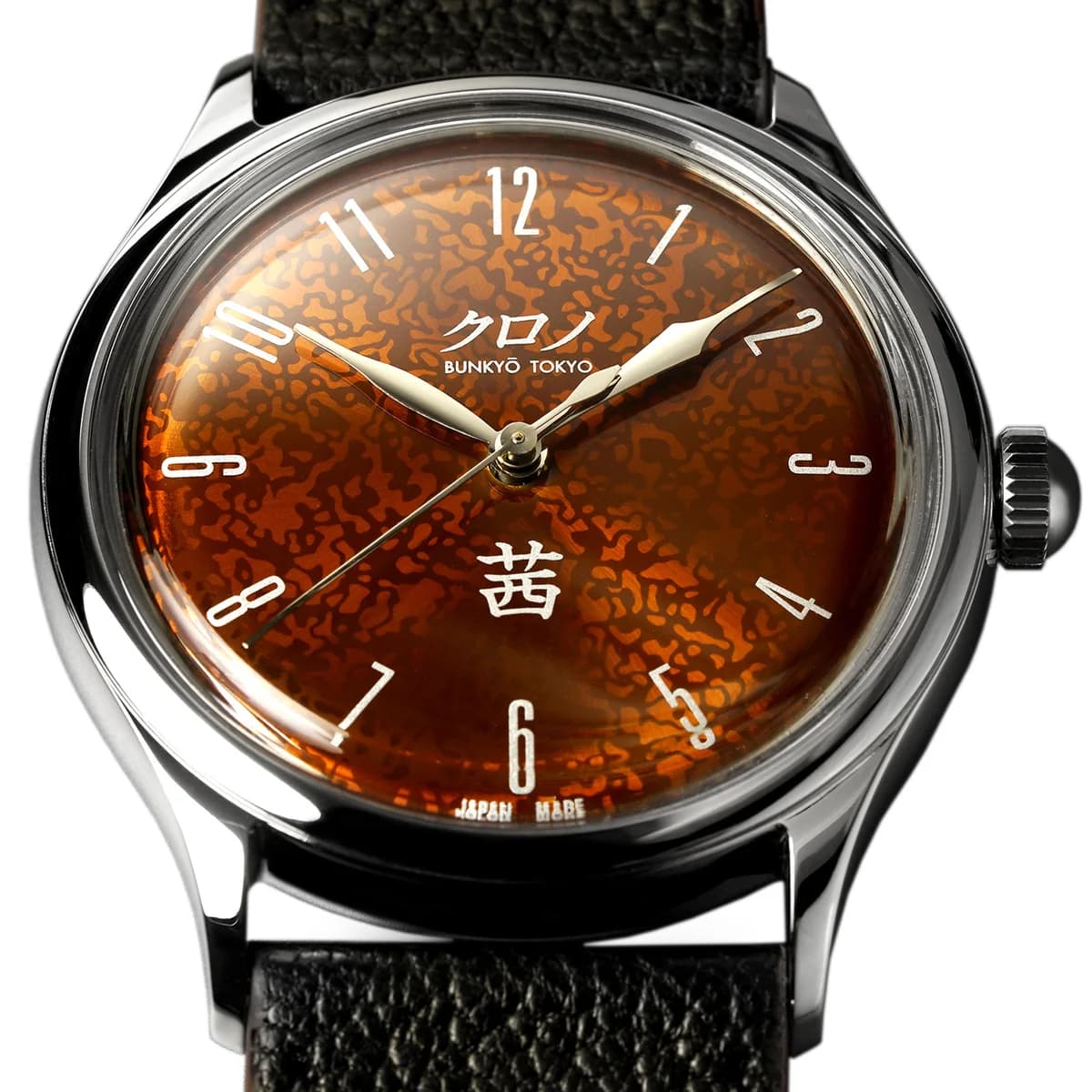
The Grand Akane was the first urushi dial Kurono produced. Akane means madder red, named for the natural dye extracted from the root of the madder plant. The dial has a hamon sword pattern, the wavy temper line visible on a Japanese katana blade, created through niiro chemical treatment under a suki-urushi topcoat. Niiro is a patination process used in traditional metalwork. Suki-urushi is the refined, translucent amber lacquer used for the final protective coat. The combination creates depth that changes with every angle. Two hundred pieces were made. Having held the Akane for extended periods, what stays with me is how the light dances across the surface. The red shifts from a warm burgundy in low light to a vivid crimson when sunlight hits it directly. It is alive in a way that no photograph can fully capture.
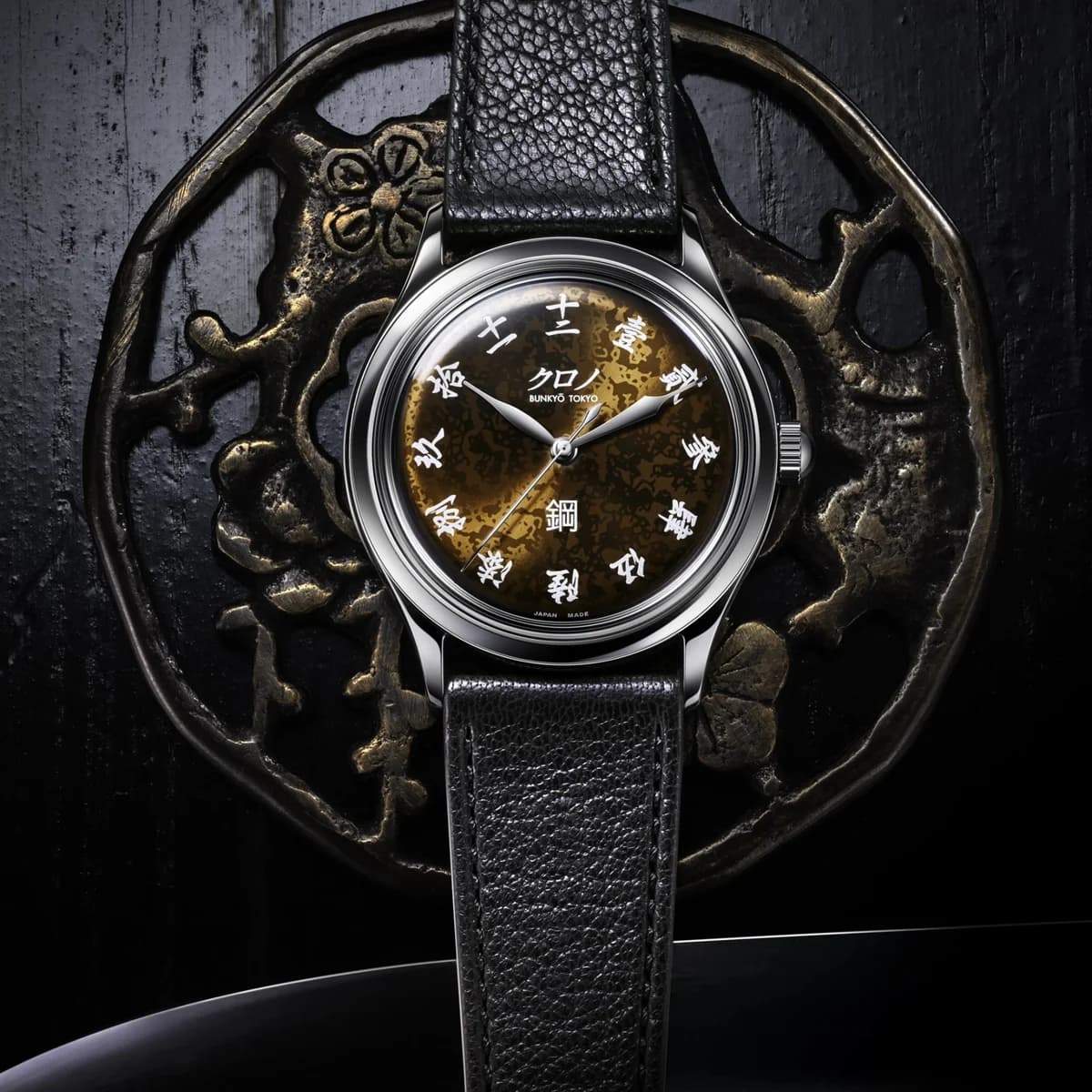
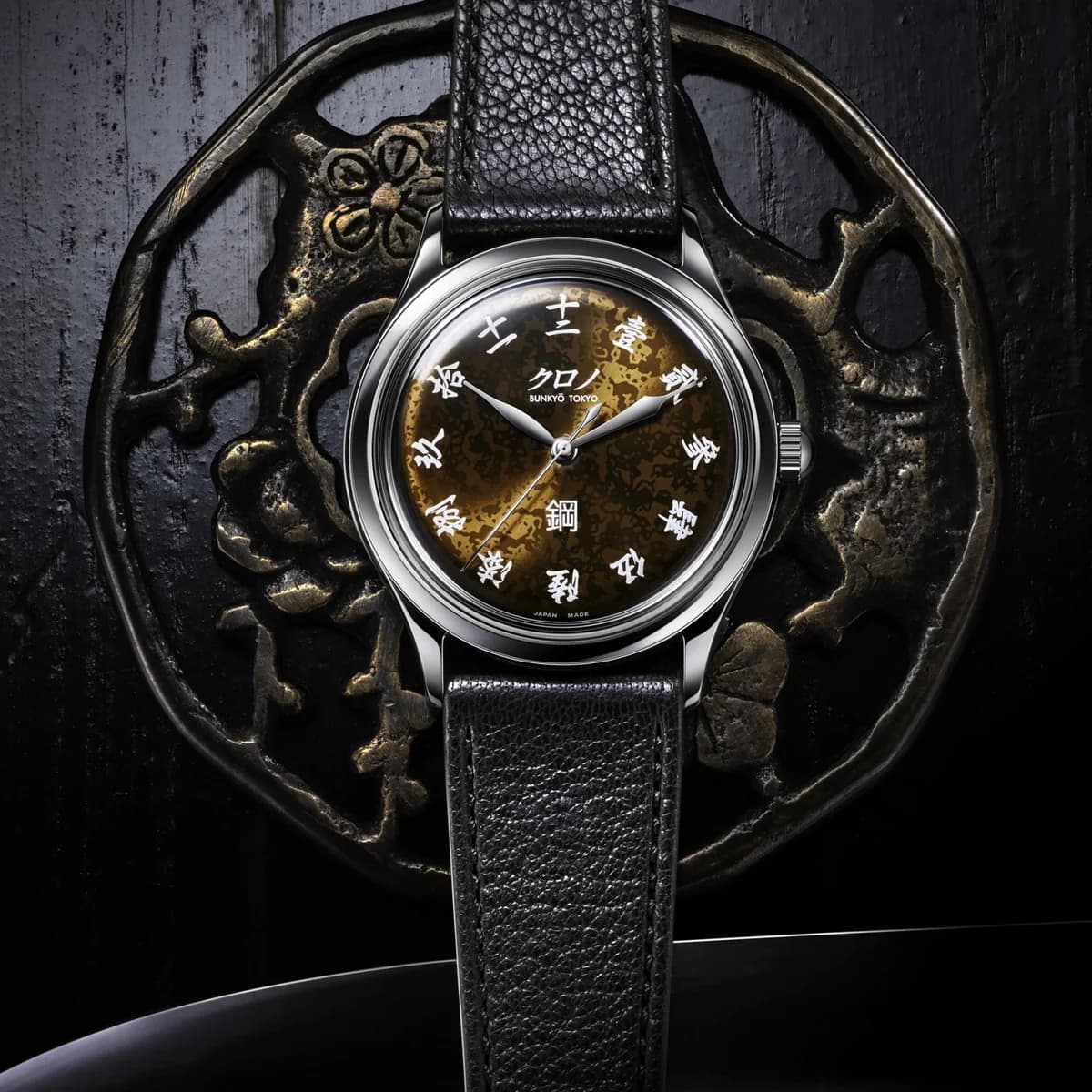
The Grand Hagane followed. Hagane means steel. The name comes from tamahagane, the rare steel used by traditional Japanese swordsmiths. Tama means round and precious. Asaoka's maternal grandfather ran ironworks, so the connection to traditional metalworking runs through his family. The Hagane dial is layered in gold and brown urushi tones that create a translucent mirror finishing. Under changing light, the colors shift between warm gold and deep brown. The old-style Kanji numerals are another deliberate touch. The character at seven o'clock is the Kanji for urushi itself. That was not an accident. Of all the urushi dials, the Akane and the Mori are the ones I find myself drawn to most. The orange warmth of the Akane and the deep forest green of the Mori have a quality that changes as the lacquer ages. Urushi develops its own patina over time. The layers deepen. The translucency shifts. A dial that looks one way in year one will look subtly different in year five. That is not a defect. That is the material doing what it has done for ten thousand years.
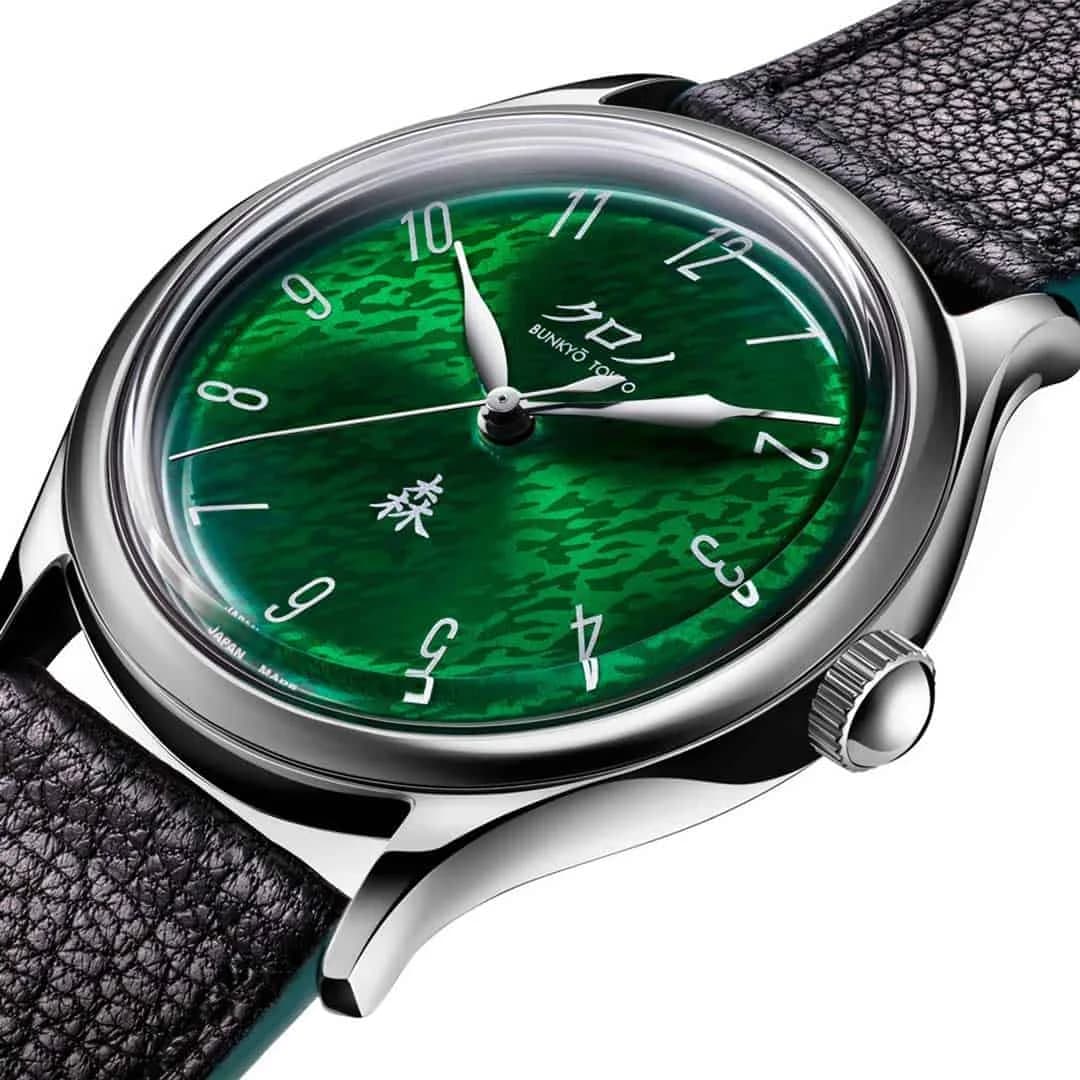
The 2022 Anniversary Grand Mori continued the urushi line. Mori means forest. The dial pattern mimics sun rays seeping through layers of tree canopy. The concept was that nature is the teacher. All three sold out in under an hour, with the Mori gone in twelve minutes. Production was limited to hundreds of pieces for each model, constrained not by marketing strategy but by the physical reality of how long each dial takes to produce. You cannot scale urushi. There is no factory shortcut. Either the artisan's fingertips produce a perfect finish or the dial goes in the trash.
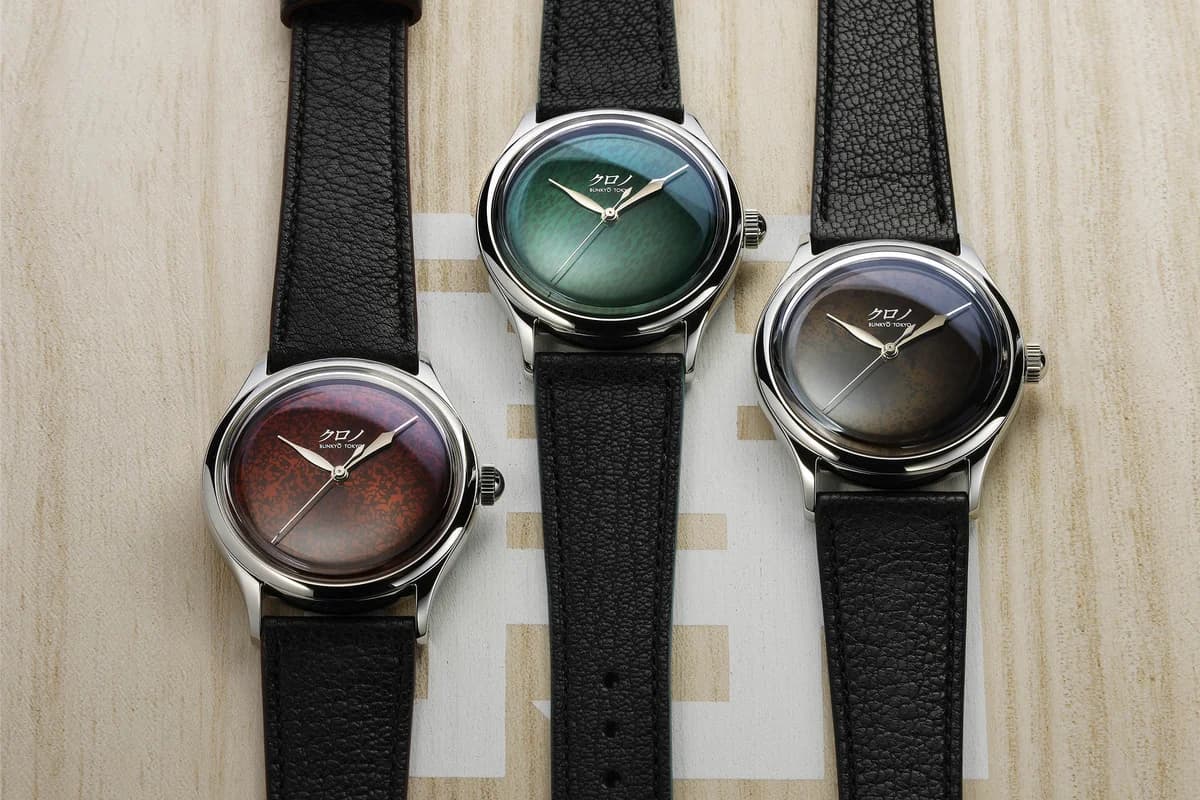
Then came the Grand Urushi Aoyama trio, released in December 2022 to celebrate the opening of the Kurono salon in Kita-Aoyama, Tokyo. Three watches with urushi dials in green, red, and brown, each with subtle patterns applied under the top coat of lacquer. The dials are almost completely sterile, just the Kurono wordmark near twelve o'clock. No numerals, no indices, no date window. Pure urushi. You could only order and pick up the watches at the salon itself. No online ordering. No shipping. You had to physically go to 2-10-22 Kita-Aoyama, Minato, Tokyo, walk in, and buy them in person. Only 88 sets were produced. The presentation box was made from Japanese paulownia wood.
The sap itself is dangerous to handle. Urushiol causes severe contact dermatitis in most people. It is the same compound responsible for the rash from poison ivy. Both plants belong to the genus Toxicodendron. The artisans who work with raw urushi have developed tolerance over years of repeated exposure. Even so, fresh sap on unprotected skin will produce blisters within hours. The fact that these dials exist at all is a function of human stubbornness and generational knowledge that refuses to die.
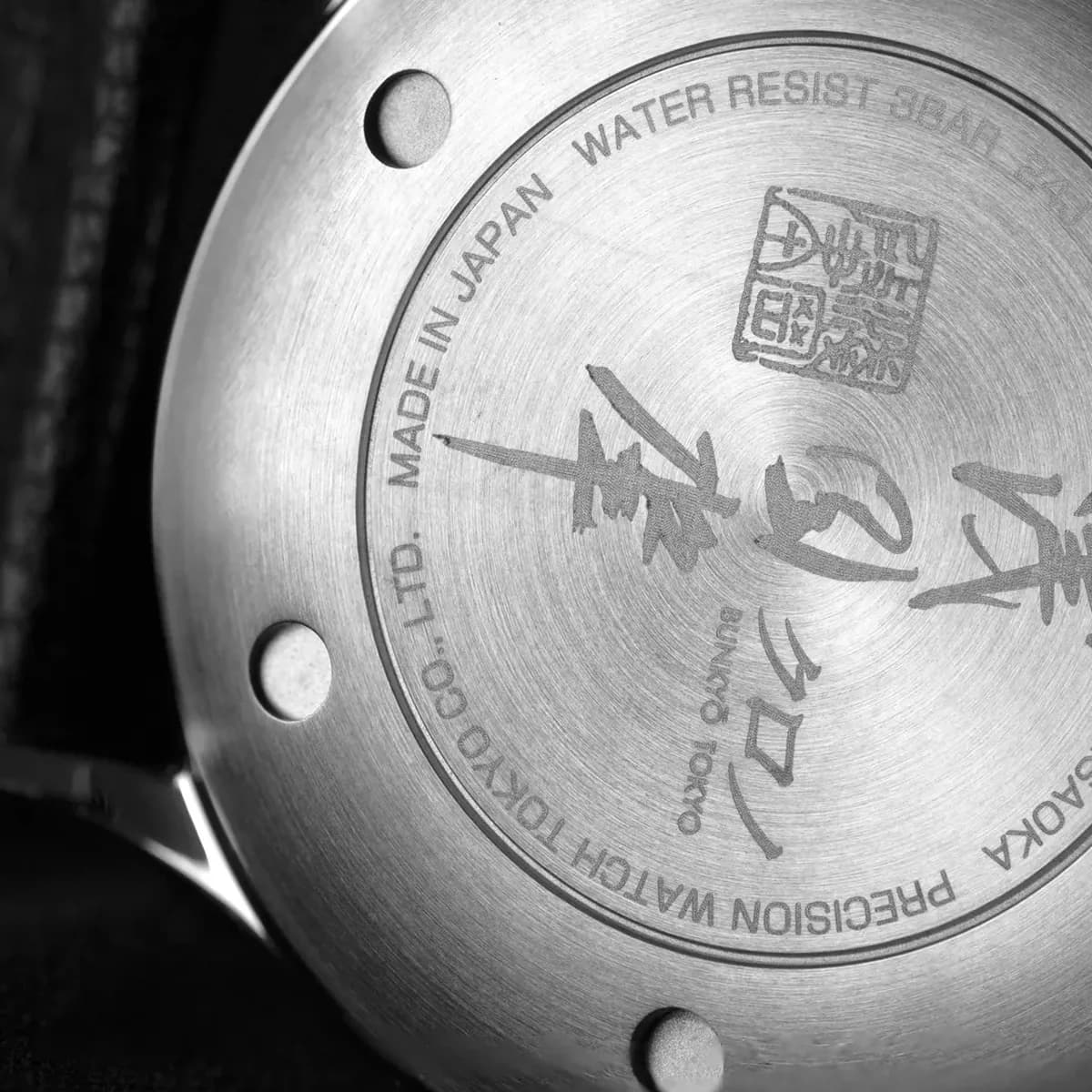
Every Grand Series watch uses the same 37mm polished 316L stainless steel case at 7mm thick with a box sapphire crystal and the Miyota 90S5 automatic movement. The 90S5 is a 24-jewel automatic beating at 28,800 vibrations per hour (4 Hz) with a power reserve of 42 hours. It is not a hand-finished Swiss caliber. It is a reliable, well-regulated Japanese workhorse, and I think that is exactly the right choice for these watches. The movement is not the star here. The dial is. Asaoka could have chased a more prestigious caliber, but doing so would have shifted attention away from the craft that makes the Grand Series what it is. The 90S5 winds smoothly, keeps accurate time, and stays out of the way. For me, that is the best compliment a movement can receive in this context. The case sits at 44mm lug-to-lug with 20mm lugs for the strap, and the whole package weighs remarkably little on the wrist. At 7mm thick, the Grand Series disappears under a shirt cuff. On my 6.5-inch wrist, the 37mm case sits in that sweet spot where the watch feels present without dominating. I wore the Mori with a Harrisons of Edinburgh tropical weight wool suit in dark charcoal and the green dial created a subtle contrast that felt intentional without being loud.
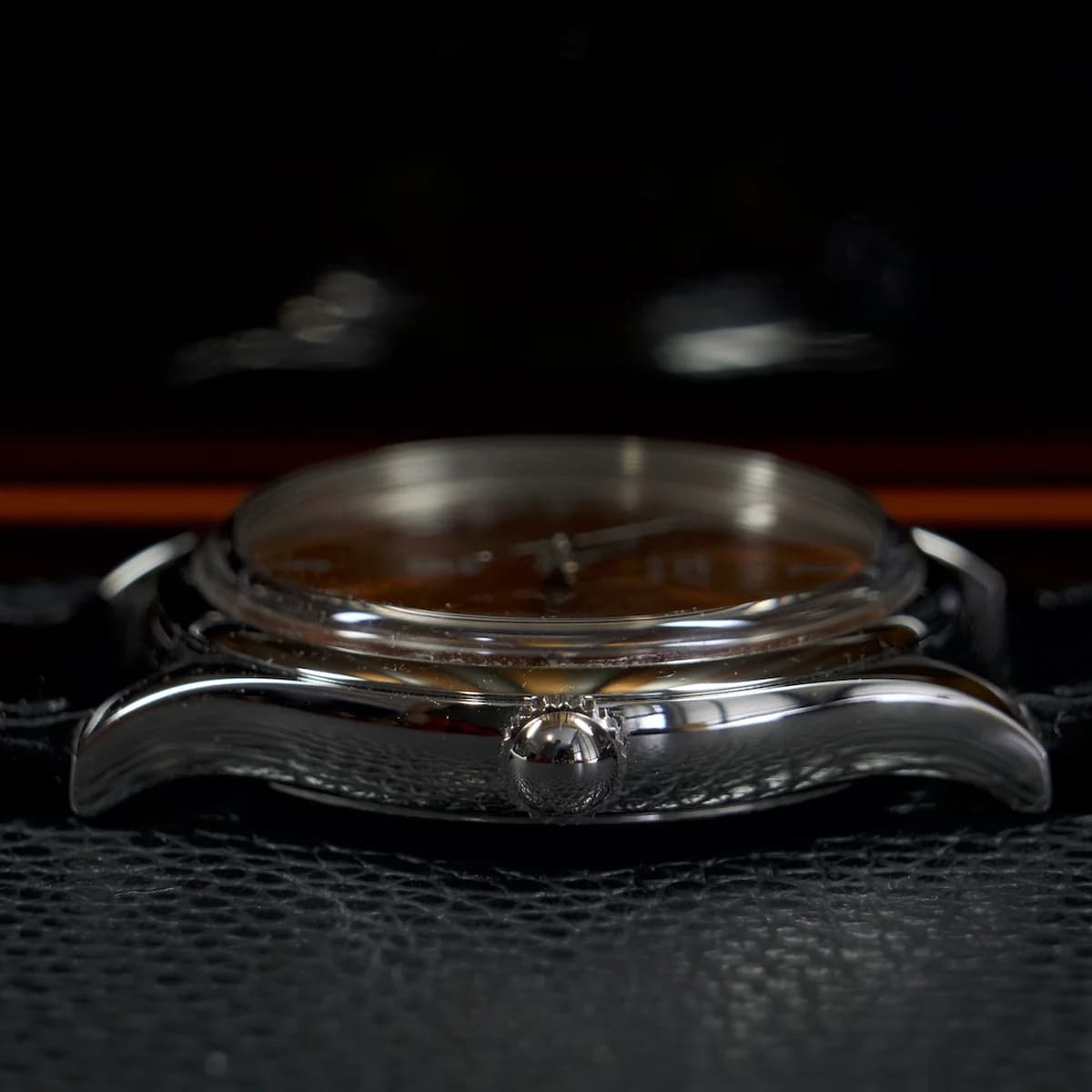
The polished 316L case deserves a closer look. Full polish on stainless steel is a bold choice for a watch this size because it picks up micro-scratches within the first week of regular wear. I noticed this immediately. The sides and lugs will show fine hairlines under bright light. Stainless steel sits at 5.5 to 6.5 on the Mohs hardness scale, so everyday contact with door handles, desk edges, and jacket zippers leaves marks. A Cape Cod polishing cloth takes care of them easily, but it is a maintenance reality that brushed steel would avoid. I believe Asaoka chose the full polish deliberately because the mirror finish of the case echoes the mirror finish of the urushi dial. The entire watch is meant to reflect light. Brushed steel would have contradicted the design language. It is a tradeoff, and I think the right one.
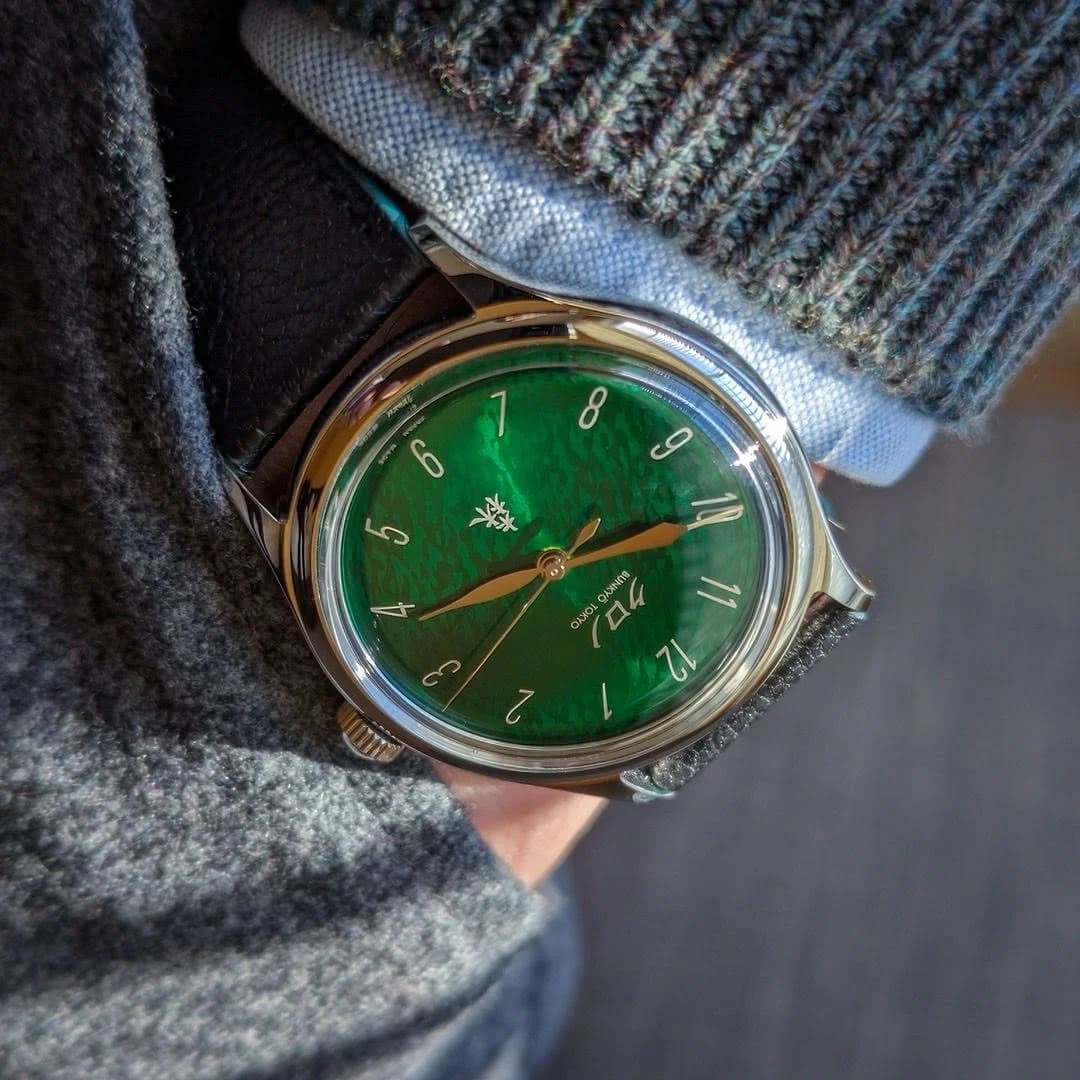
The box sapphire crystal has a slight dome that catches the light beautifully from the side profile. It adds a vintage character that a flat crystal would not provide. The crown is unsigned, which is the one detail I wish were different. A small Kurono logo or a polished cabochon on the crown would add a finishing touch that the watch currently lacks when viewed from the side. It is a minor observation, and it does not change how the watch wears, but at this level of craft attention on the dial, the plain crown feels like an unfinished sentence. The water resistance is rated at 50 meters, adequate for hand washing and rain but not for swimming.
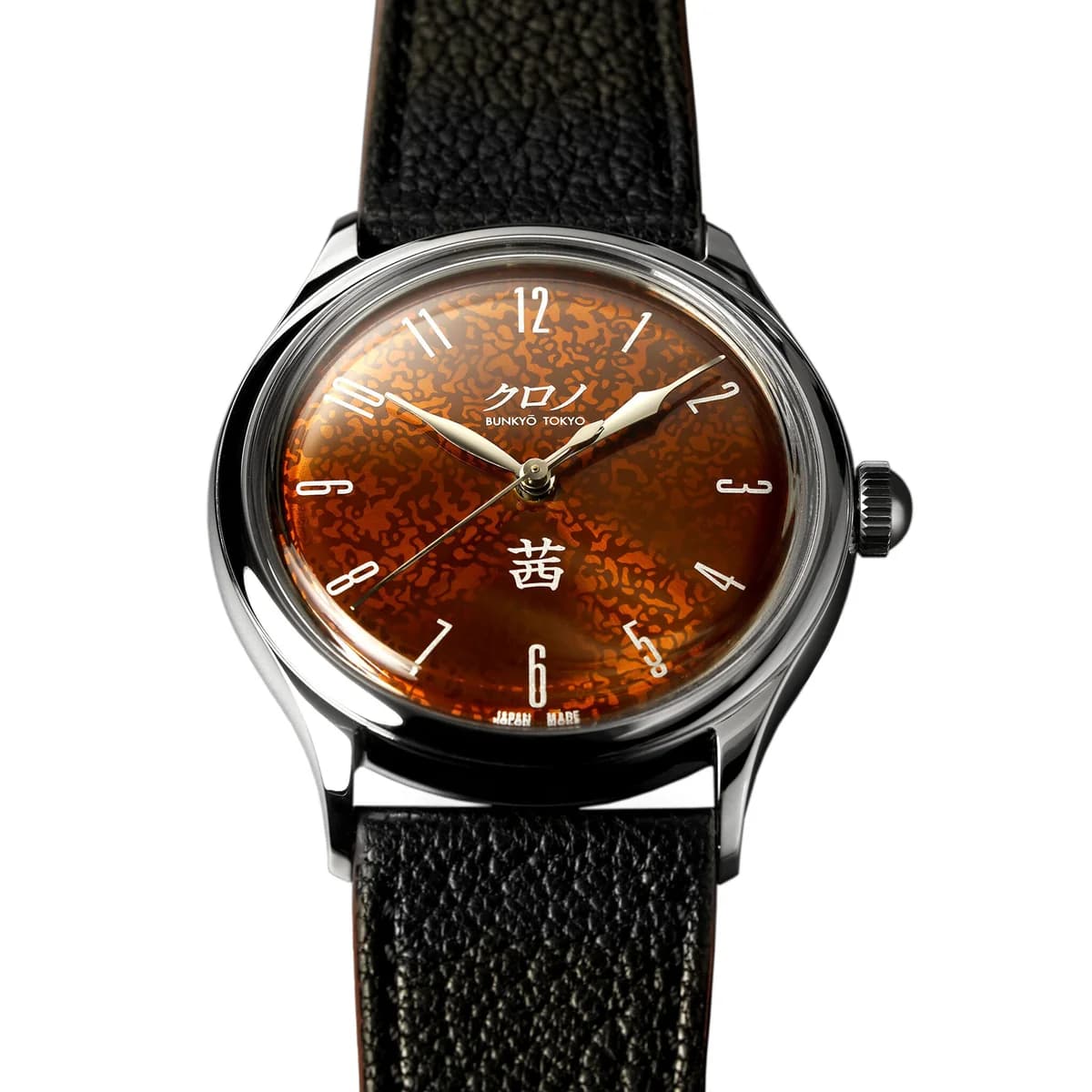
The strap that ships with the Grand Series is a black or dark brown calf leather with a simple pin buckle. It is comfortable and well-made, but the 20mm width and standard design mean that aftermarket options are plentiful. I have seen the Akane on a burgundy suede strap that pulled the red tones forward beautifully, and I think the Mori would look equally striking on an olive or forest green leather. The quick-release spring bars that some other Kurono lines use are absent here. Standard spring bars mean a spring bar tool is required for strap changes, which is not a dealbreaker but it does make swapping less spontaneous than it could be. For someone who changes straps often, that is worth noting.
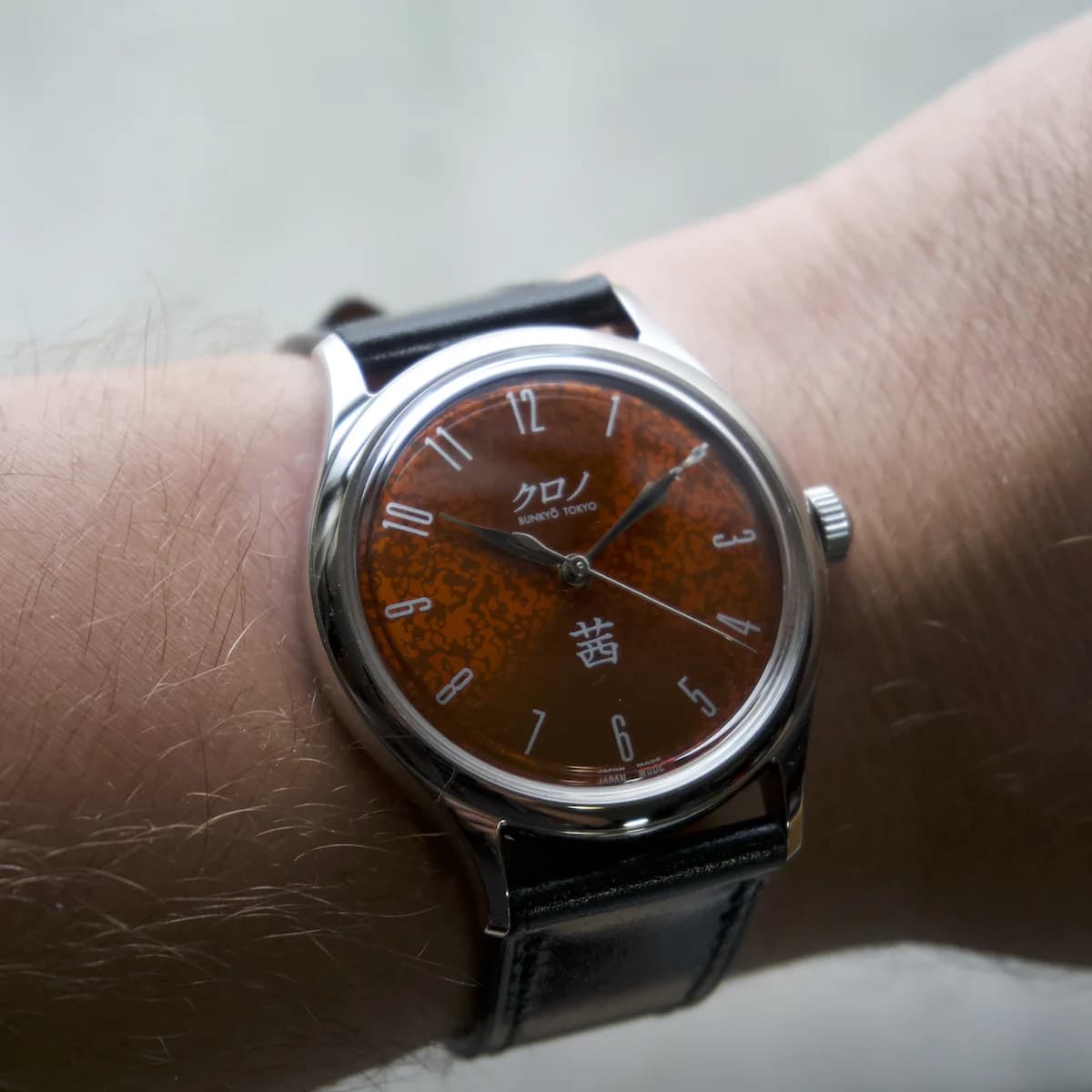
In my experience, the Grand Series is one of those watches that photographs cannot do justice. The urushi finish has a depth and warmth that only reveals itself in person, under changing light. I have looked at dozens of photos of the Akane and the Mori online, and none of them capture what the dials actually look like when the wrist moves. The lacquer has a living quality, an internal glow that seems to come from within the layers rather than reflecting off the surface. On darker skin tones, the warm red of the Akane and the rich green of the Mori create a contrast that I find particularly compelling. The gold tones of the Hagane work well against warm skin too, but the bolder colors of the Akane and Mori have an energy that the Hagane's subtlety does not quite match.
Hajime Asaoka himself is an independent watchmaker who trained under the old school of Japanese horology. He is one of the few watchmakers in the world who can build a tourbillon entirely by hand, from raw metal to finished movement. His Tourbillon, which he produces under his own name rather than the Kurono brand, is made one at a time in his Tokyo workshop. The Grand Series is the accessible expression of that same design philosophy. Asaoka does not outsource the creative decisions. He selects the artisans, approves the lacquer formulations, and specifies the exact hue and depth of each dial. I appreciate that he has not tried to scale the operation. The temptation to increase production and meet demand must be enormous, given that every Grand Series release sells out in minutes. But scaling would mean compromising the craft, and Asaoka has shown no interest in that compromise. The production numbers stay small because the process demands it. In my view, that restraint is as much a part of the product as the lacquer itself.
The Grand Series sits in a space that no Swiss brand and no other Japanese brand currently occupies. Seiko has done urushi dials through its Presage line and its Credor high-end division, but those are produced at a different scale with different finishing standards. The Credor Eichi II has a porcelain dial from the Arita tradition, not urushi. Grand Seiko has explored lacquer through the Elegance line, but again at a production volume that the Grand Series deliberately avoids. On the Swiss side, brands like Jaquet Droz use enamel and miniature painting to achieve decorative dials, but enamel is a fundamentally different material with different properties. Enamel is glass fused to metal. Urushi is polymerized tree sap. The depth, warmth, and aging characteristics are not comparable. I find that the urushi dials have a softness and organic quality that enamel cannot replicate, while enamel has a brilliance and hardness that urushi does not attempt. They are different crafts solving different aesthetic problems, and I respect both. But the Grand Series occupies its own territory because no other brand is applying this specific tradition, at this level, with this kind of artisan collaboration, at this case size and wearing experience.
The specs are identical across the line because the specs are not the point. The dial is the point. Each one is a collaboration between Asaoka's design vision and Kyoto artisans whose craft precedes every watch brand in Switzerland by centuries. That combination, at this level of execution, does not exist anywhere else in watchmaking. Monozukuri, the Japanese philosophy of making, holds that the spirit of the maker is inseparable from the object. Every Grand Series dial carries the fingerprints, literally, of the artisan who polished it. That is not a metaphor. The roiro-nuri technique requires bare fingertips on the surface. The craft enters the object through contact. It is the most intimate form of manufacturing I have encountered in any industry. I keep coming back to that idea. Somewhere in Kyoto, an artisan spent two months building a dial layer by layer, and the final polish was done with her bare hands. That dial is now on someone's wrist, keeping time, catching light, aging alongside its owner. The connection between maker and wearer is physical, embedded in the material itself. That is what the Grand Series is really about.
Also in Artisan Craft