
IWC
Portugieser Eternal Calendar
IW505701
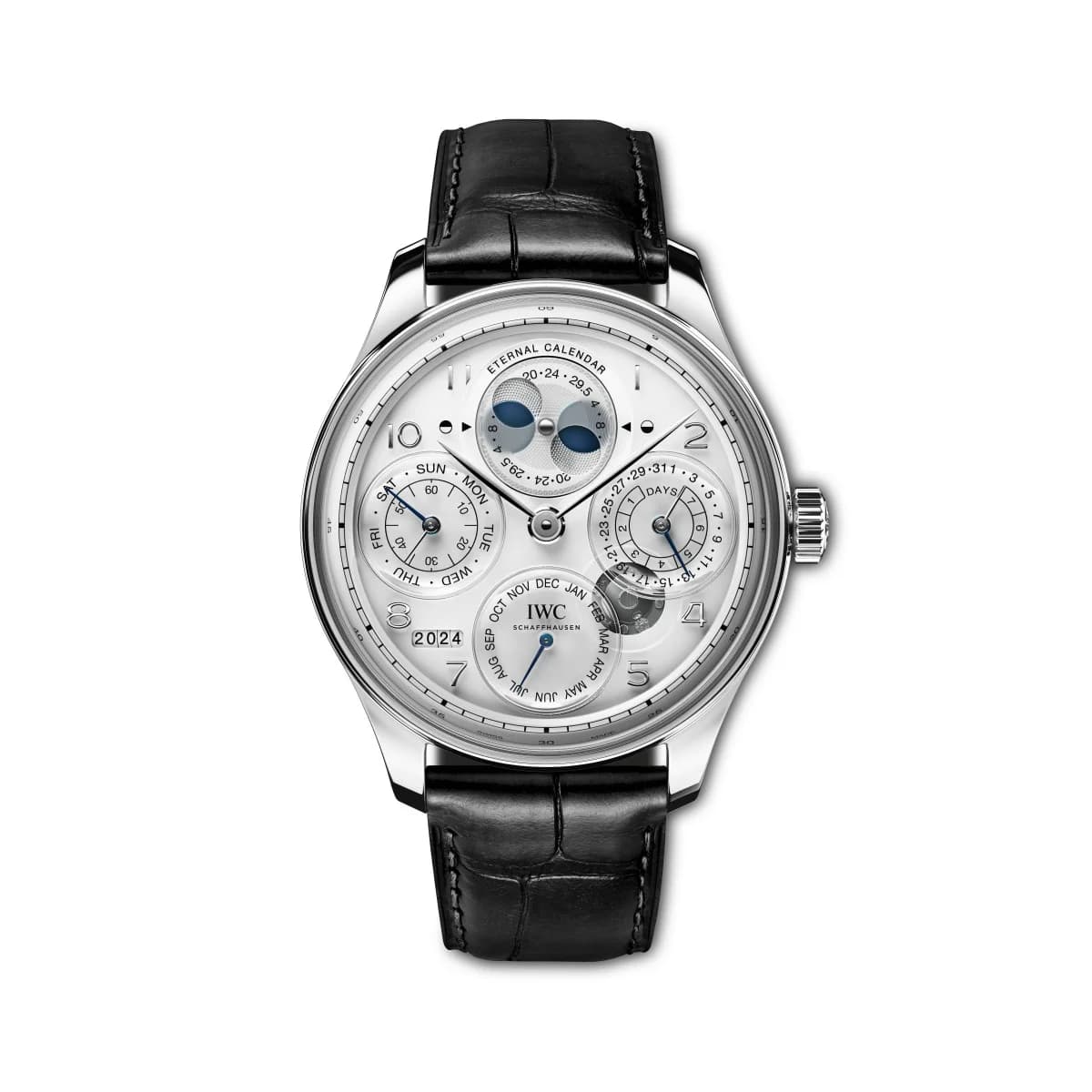
Every perpetual calendar in production today has the same problem. It will need a manual correction in the year 2100. That includes Patek Philippe, A. Lange and Sohne, Vacheron Constantin, Audemars Piguet, and every other house that builds perpetual calendars. The Gregorian calendar has an exception that standard perpetual calendars cannot handle: centurial years divisible by 100 but not by 400 are common years, not leap years. So 2100, 2200, and 2300 will skip the leap day. 2400 will keep it. The pattern repeats every 400 years, and almost nobody in watchmaking has built a mechanical solution for it. IWC did, and I think the result is one of the most important watches released this decade.
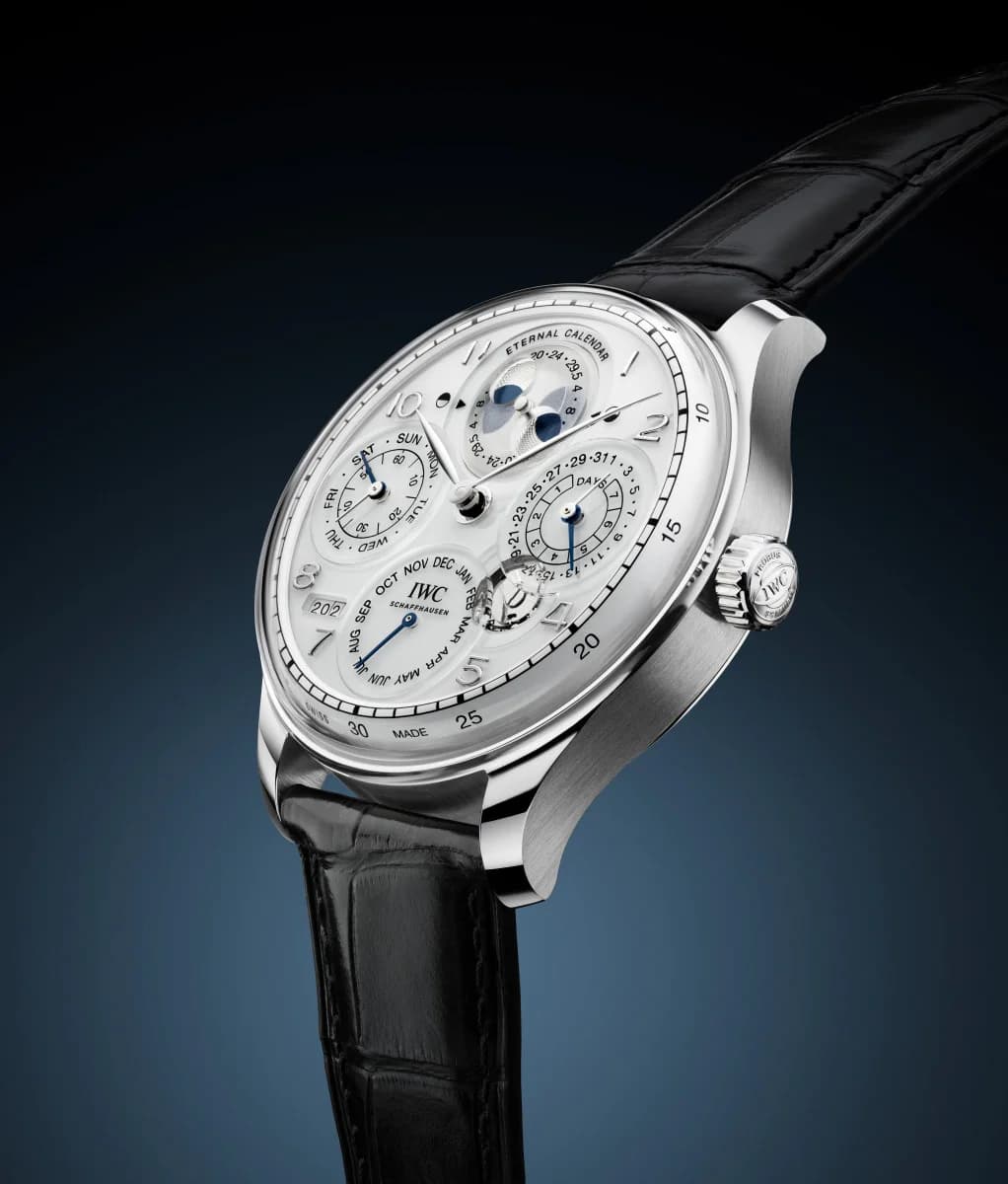
The Portugieser Eternal Calendar, reference IW505701, is a secular perpetual calendar. That term matters. A standard perpetual calendar tracks the four-year leap cycle and the varying lengths of months. A secular perpetual calendar goes further by encoding the full 400-year Gregorian cycle into a mechanical gear train. When 2100 arrives, every Patek 5327, every Lange Datograph Perpetual, every AP Royal Oak Perpetual Calendar will display February 29 and will be wrong. The IWC will skip it automatically and continue running correctly until at least the year 3999. That is not marketing language. It is mechanical reality. The reason it stops at 3999 is interesting too. It has not yet been officially decided whether the year 4000 will be a leap year under the Gregorian system. So IWC cannot program for a rule that does not yet exist. Until astronomers and calendar authorities make that call, the Eternal Calendar does everything that can be done.

The context for why this matters starts in 1985. Kurt Klaus, an IWC watchmaker who had been with the company since 1957, debuted his perpetual calendar module in the Da Vinci collection at the Basel watch fair. Reference 3750. What made his design brilliant was its simplicity. The entire perpetual calendar mechanism consisted of only 81 parts and could be operated entirely through the crown, with no corrector pushers on the case side. It was also the first perpetual calendar with a four-digit year display. That module became one of the most consequential developments in modern watchmaking, and it found its way into the Portugieser collection in 2003, where it has lived ever since.
The Portugieser itself goes back even further, to 1939, when two Portuguese merchants named Rodrigues and Teixeira visited IWC in Schaffhausen with an unusual request. They wanted a wristwatch with the precision of a marine chronometer. The only way IWC could meet that standard at the time was with a pocket watch movement. They chose the Calibre 74, a hand-wound hunter-type caliber that measured 38mm in diameter. Fitting a 38mm pocket watch movement into a wristwatch meant a large case, and the original Portugieser Reference 325 measured 41.5mm, which was enormous for 1939. From 1939 to 1951, IWC produced only 309 of these watches. That origin story is important because it explains why the Portugieser has always been a larger watch. The size is not a modern affectation. It is the original design language, born from the necessity of housing a full-size precision movement.
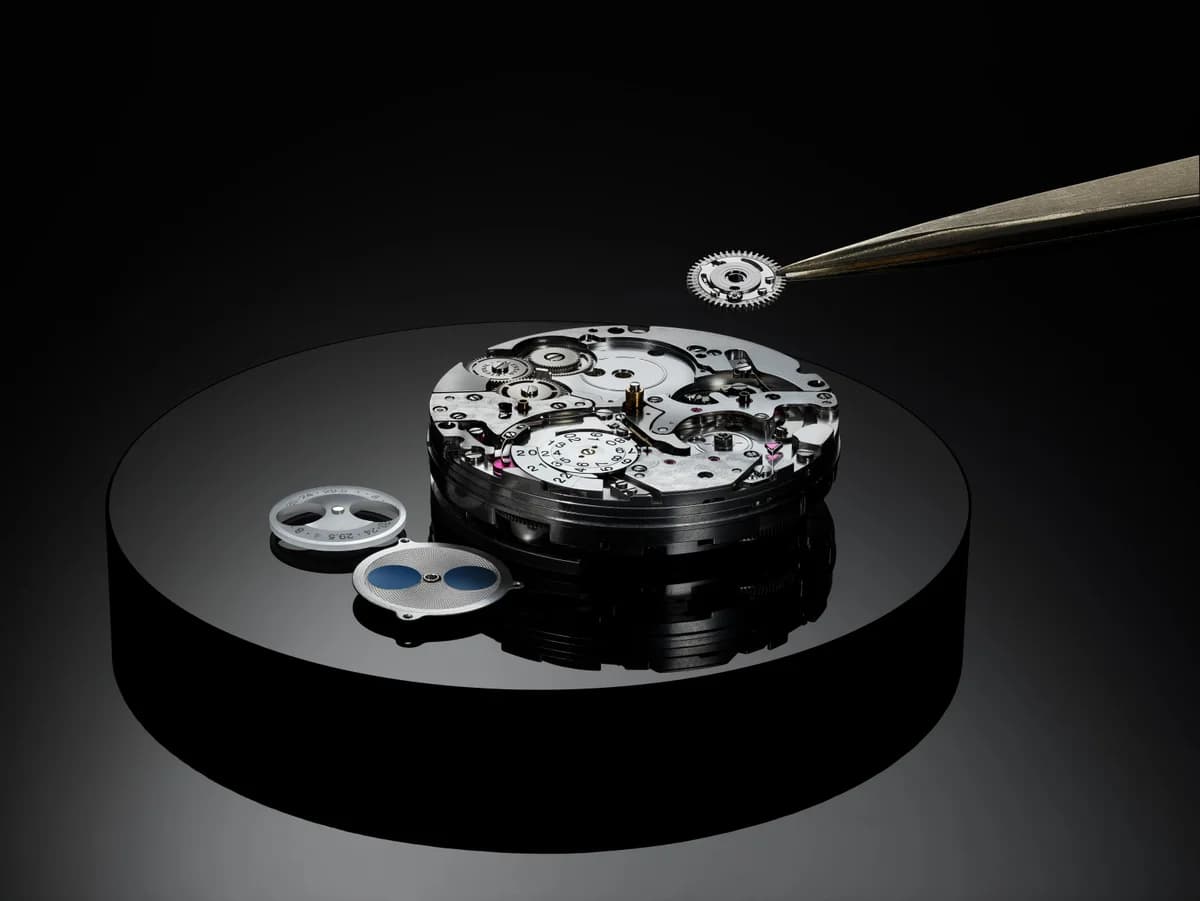
The Eternal Calendar builds directly on Klaus's perpetual calendar architecture. Rather than starting from scratch, IWC's engineers added a sub-module of roughly eight parts to the existing mechanism. The key component is a 400-year gear that completes exactly one revolution every four centuries. It uses a Maltese cross configuration with three indentations. A sprung sliding beak, guided by notches in both the secular cam and the 48-month cam, slides inward or outward once every 100 years to either allow or skip the leap year. The elegance here is that IWC solved a 400-year problem with eight parts. Not eighty. Not two hundred. Eight. And because it builds on a module that has been in continuous production since 1985, the foundation is proven reliable across four decades of real-world use. The modular approach also means that if a watchmaker needs to service the secular mechanism independently, the base perpetual calendar remains intact. Practical engineering, not theoretical.
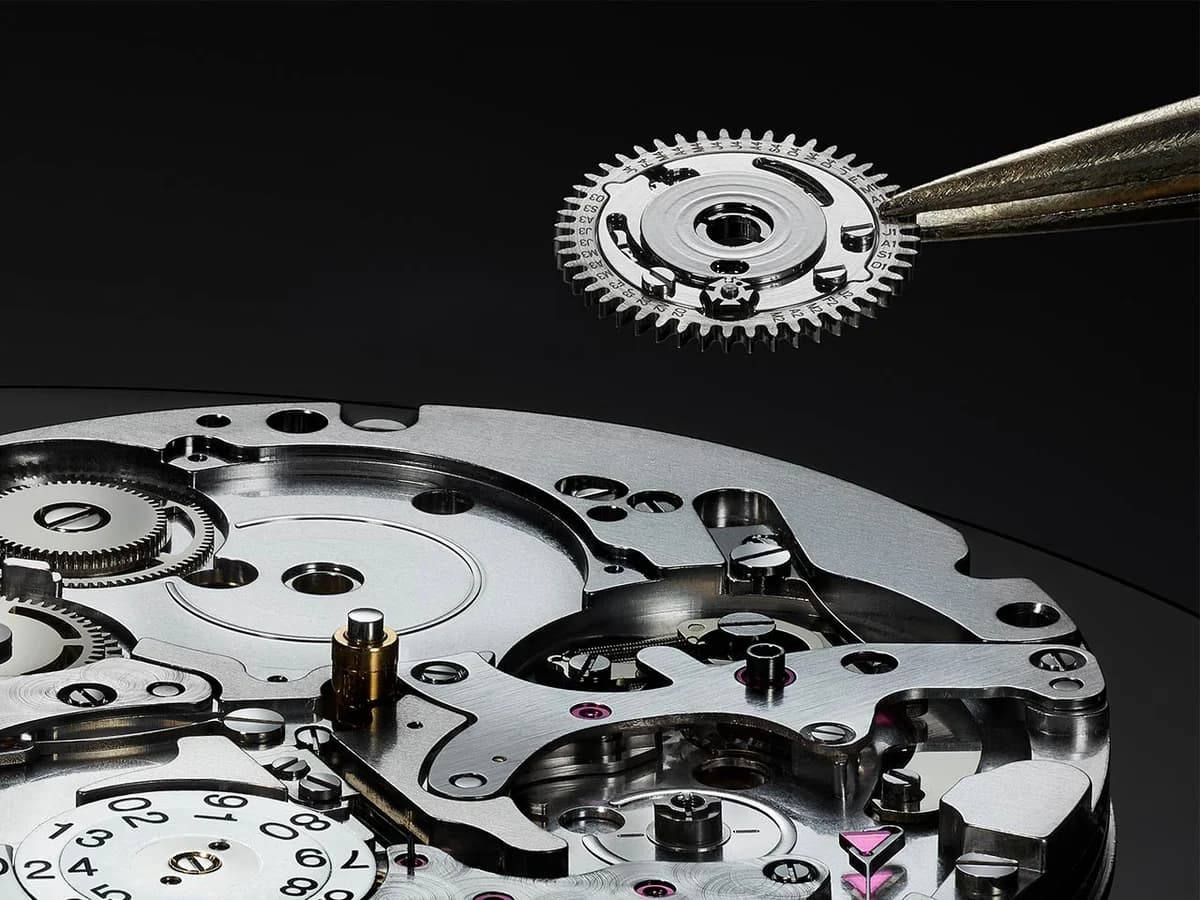
I find it remarkable that IWC chose to engineer the 400-year gear using liga technology, which is a form of hyper-precision lithography typically used in micro-engineering. The tolerances on a component that engages once per century need to be extraordinary. The gear needs to maintain accuracy across generations of ownership, through temperature variations, positional changes, and the inevitable micro-wear that comes from decades of mechanical operation. Getting this wrong means the watch fails its entire reason for existing at precisely the moment it is supposed to prove itself. The engineering discipline required to build something that cannot be fully tested in a single human lifetime is a different kind of challenge than making a chronograph more accurate or a tourbillon more efficient. It requires confidence in your manufacturing processes, your materials science, and your calculations that goes beyond what most complications demand.
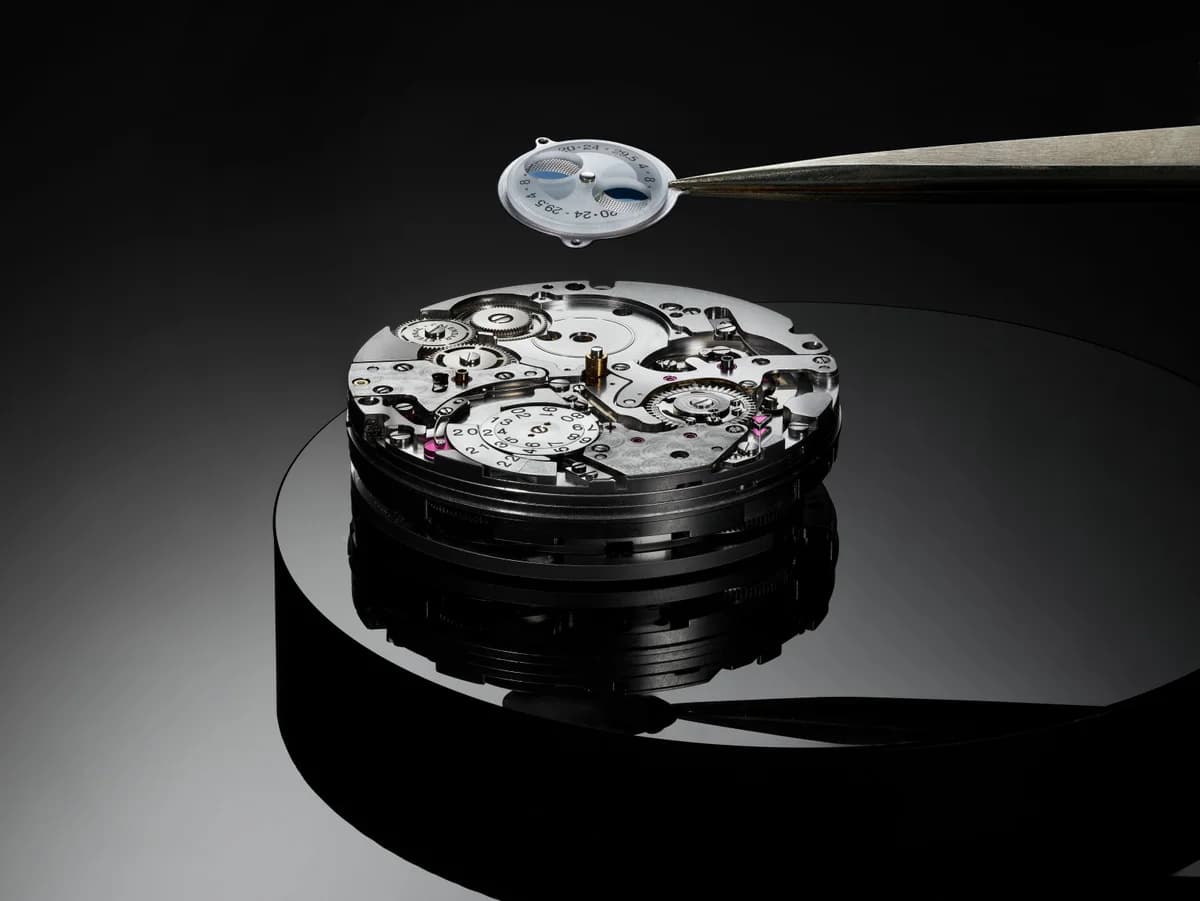
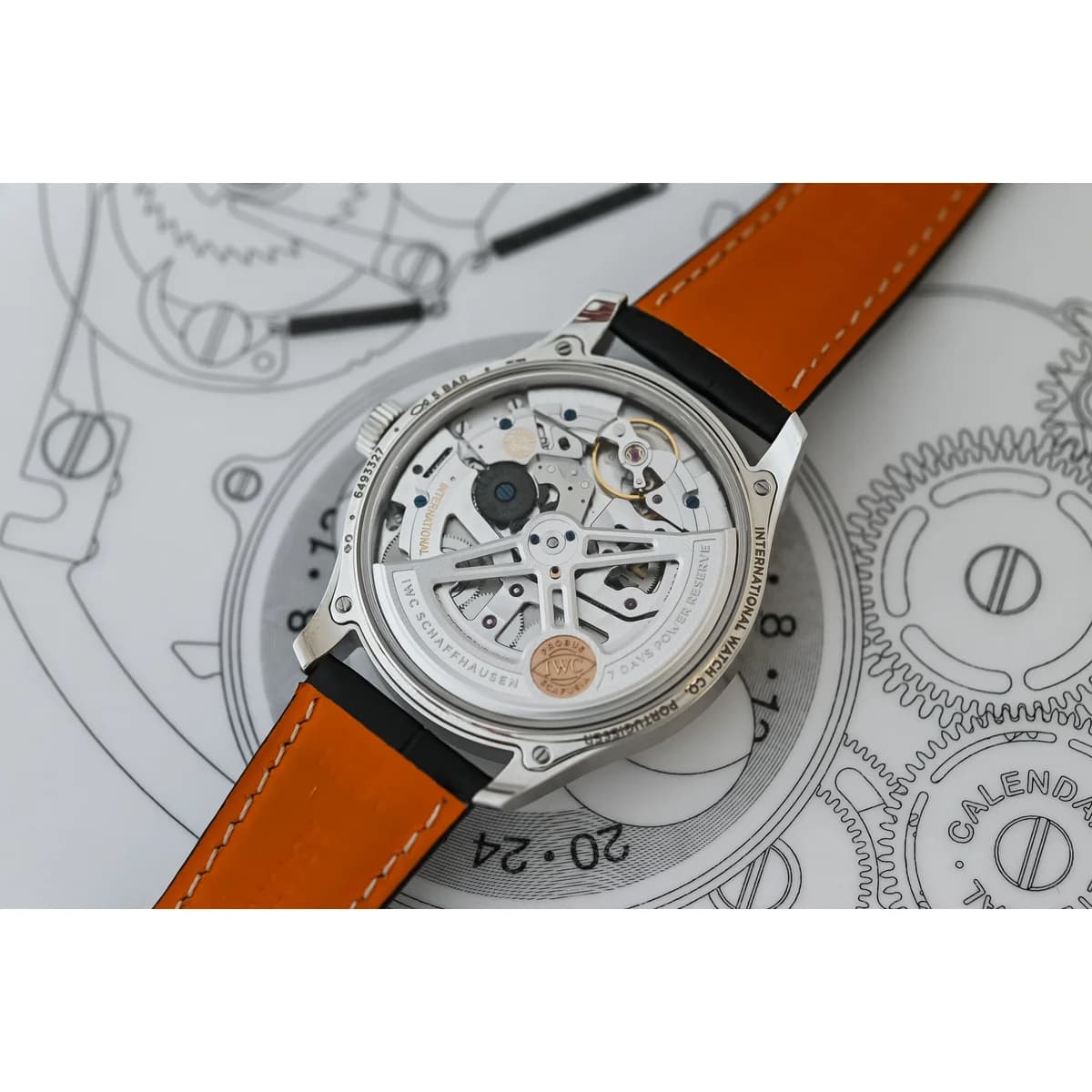
The Caliber 52640 is the movement behind all of this. It is part of IWC's 52000 family, their flagship automatic platform. The specs are serious: 54 jewels, 396 total components, 28,800 vibrations per hour at 4 Hz, and a seven-day power reserve from two sequential barrels. The winding system is IWC's Pellaton automatic, a bidirectional pawl-winding mechanism that has been an IWC signature since Albert Pellaton developed it in the 1950s. What makes the modern version special is the material science. The winding pawls and automatic wheel are made from zirconium oxide ceramic, making them virtually wear-free. In the 52000 family, the automatic wheel and its pinion are produced as a single integrated ceramic component. That is a manufacturing achievement that most watch enthusiasts never think about, but it is why IWC's modern automatics wind so smoothly and maintain their efficiency over decades. Seven days of power reserve means the watch can sit on a nightstand over a long weekend and still be running when it is picked up on Monday. For me, that matters with a perpetual calendar. Letting a perpetual calendar stop means resetting all the calendar displays, which on most perpetual calendars is tedious. IWC's crown-only operation makes it less painful than most, but seven days of reserve means it rarely comes to that.
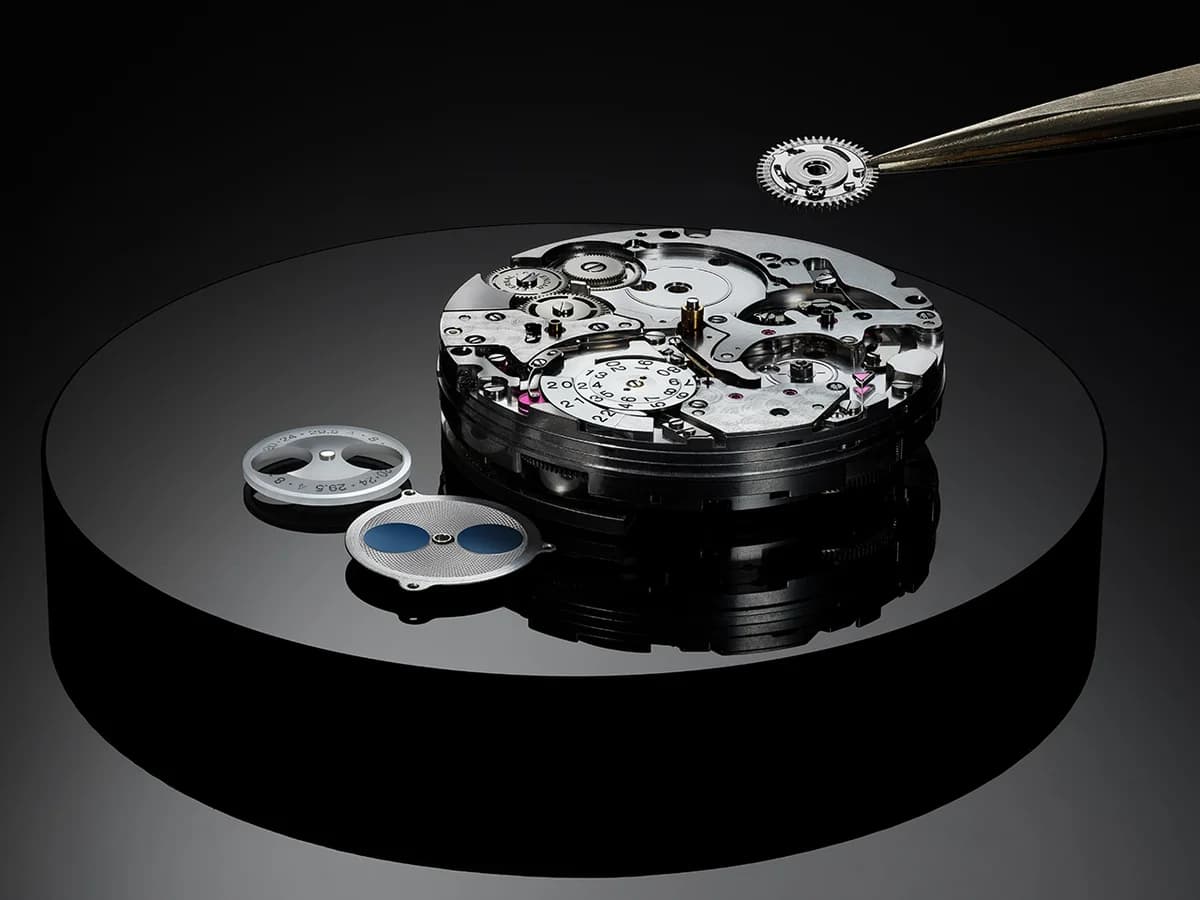
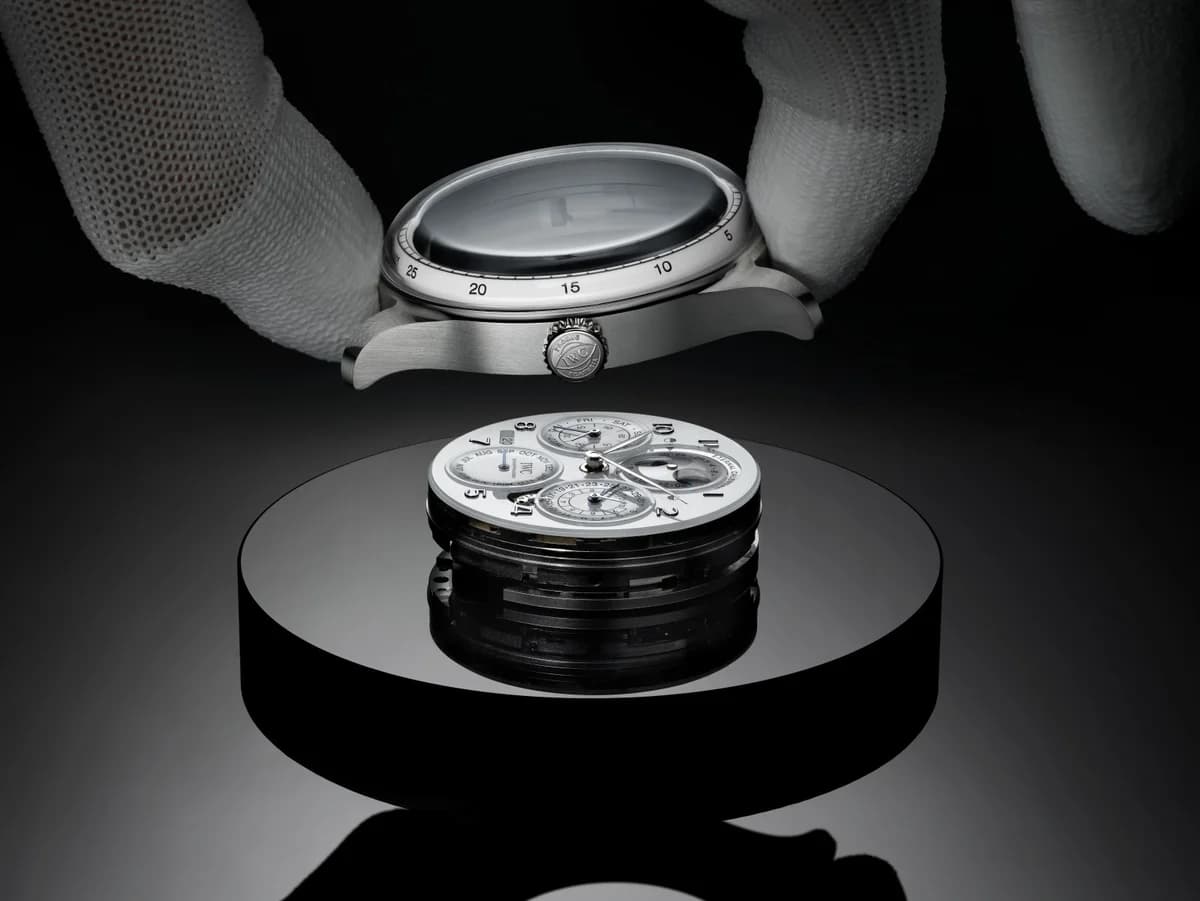
The rotor is 18-carat gold with the IWC emblem, and the movement finishing includes Geneva stripes on the bridges, perlage on the main plate, blued screws, and hand-chamfered edges. Through the sapphire caseback, the movement is genuinely attractive to look at. I appreciate that IWC went further with a sapphire bridge in the calendar module itself, the first time the brand has used sapphire as a structural element in a caliber. It provides transparency into the complexity of the perpetual calendar mechanism, turning what is normally hidden behind metal bridges into something visible and legible.
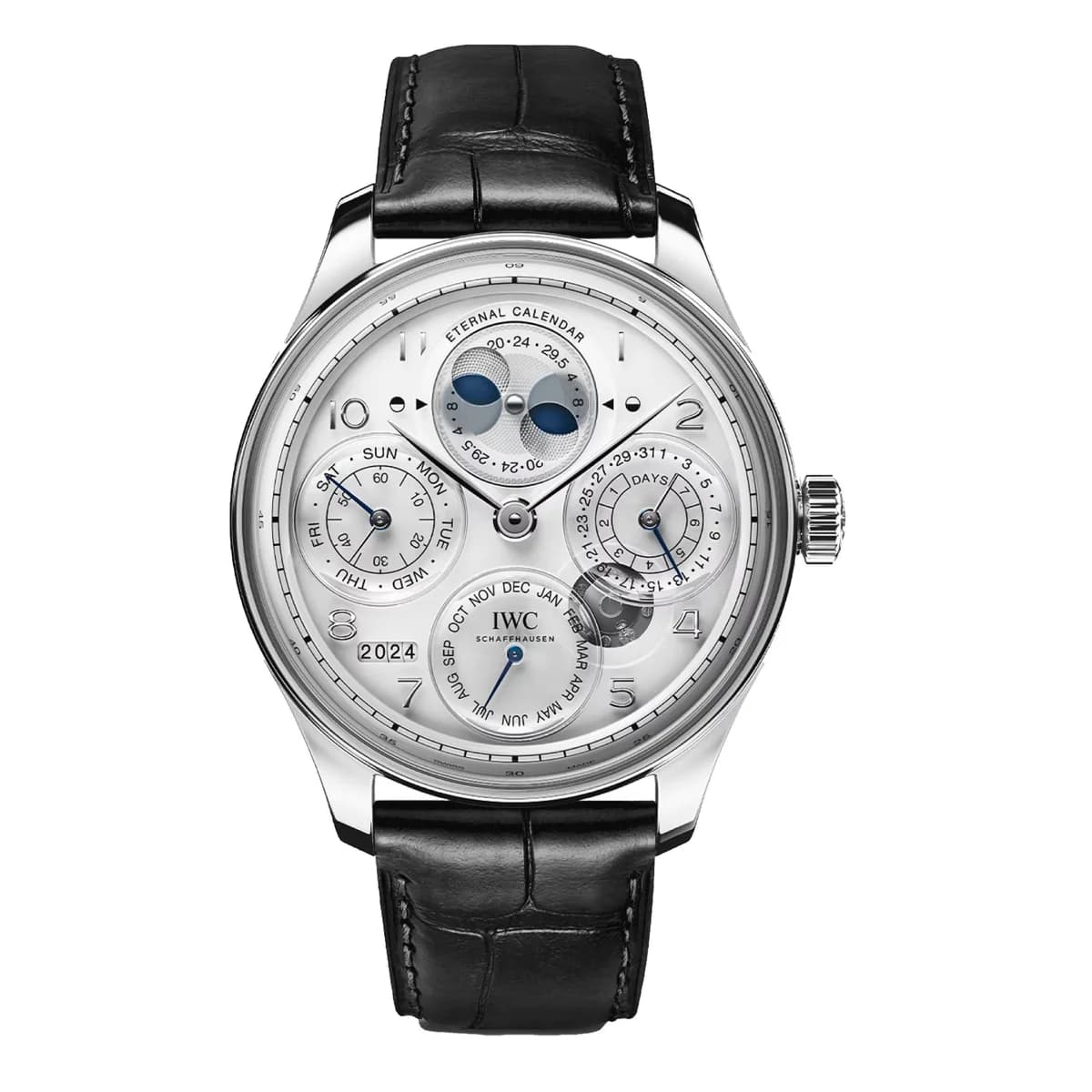
The dial deserves special attention because IWC did something unusual here. It is a glass dial with a white lacquered underside, which means the viewer is looking through the dial surface to the lacquer beneath. This creates a depth effect that a standard painted or printed dial cannot achieve. The minute scale on the raised outer ring echoes the curve of the sapphire crystal, giving the entire face a layered, architectural quality. The subdials are positioned logically: day of the week and small seconds at 9 o'clock, date and power reserve at 3 o'clock, month at 6 o'clock. The Double Moon phase display sits at 12 o'clock with a guilloched sky background, showing both northern and southern hemisphere moons simultaneously. A four-digit year display sits at 7:30. The hands are leaf-shaped and rhodium-plated, and the applied Arabic numerals are also rhodium-plated. For a dial carrying this many complications, the layout is clean and legible. That is not a given. Many perpetual calendars sacrifice readability for information density. This one finds the balance.
The moon phase display on this watch is almost absurd in its precision. IWC's engineers ran computer simulations testing over 22 trillion gear combinations to find the optimal reduction gear train. The result is a moon phase that deviates from the actual lunar orbit by one day in 45,361,055 years. For context, the previous record holder was Andreas Strehler's Lune Perpetuelle, which achieved one day in two million years. IWC surpassed that by more than twenty-two times. Kurt Klaus's original 1985 moon phase was accurate to one day in 122 years. The 2003 revision pushed it to one day in 577.5 years. The progression from 122 years to 577 years to 45 million years tells you something about how computational tools have changed what is possible in mechanical watchmaking. Three intermediate wheels in the reduction gear train create the ratio needed, and IWC has applied for a Guinness World Records nomination for this achievement.
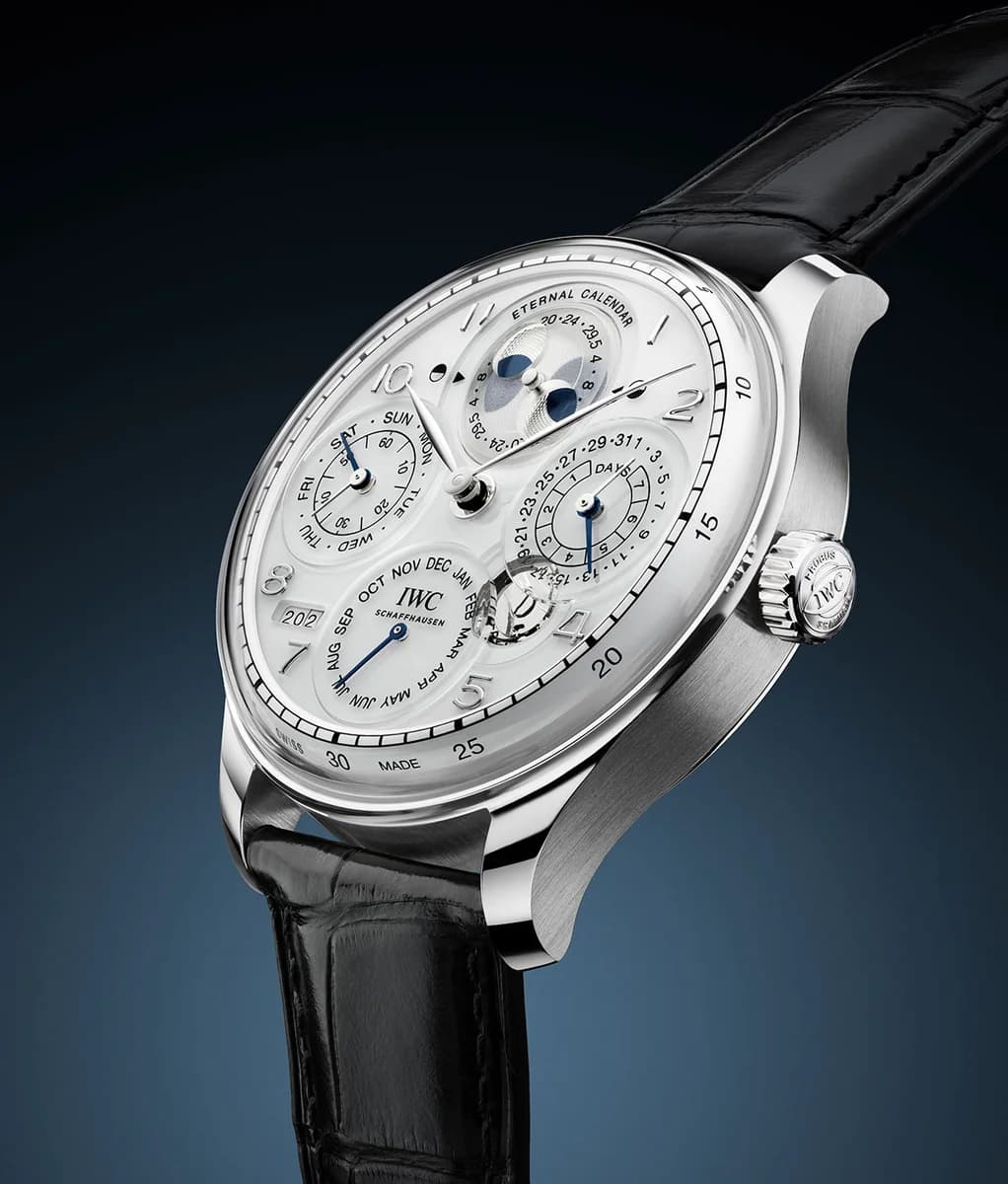
The case is platinum, 44.4mm in diameter and 14.9mm thick, with 50 meters of water resistance. Both the front crystal and caseback are double-domed sapphire with antireflective coating on both sides. The strap is black alligator leather by Santoni with a platinum folding clasp. I want to be honest about the size. At 44.4mm and nearly 15mm thick, this is a substantial watch on the wrist. It is not going to disappear under a shirt cuff. For my 6.5-inch wrist, this would wear noticeably large. The Portugieser has always been a bigger watch, but 14.9mm of thickness on a dress-leaning complication watch is where I feel the engineering reality of the secular calendar mechanism shows up. Fitting eight additional parts plus the enhanced moon phase reduction train into the case adds height. The tradeoff is genuine: this is the most mechanically advanced calendar in production, and it costs a few millimeters of stack height. I wish it were thinner, but I also understand why it is not. A Patek 5327R is 9.71mm thick, but it also stops being correct in 2100. The thickness delta is the cost of solving a problem that Patek chose not to solve.
On November 13, 2024, the IWC Portugieser Eternal Calendar won the Aiguille d'Or at the 24th Grand Prix d'Horlogerie de Geneve, held at the Theatre du Leman in Geneva. The Aiguille d'Or is the top prize in watchmaking, the equivalent of Best Picture at the Oscars. Chris Grainger-Herr, CEO of IWC, said after the ceremony that the team had pushed the limits for mechanical calendar complications once again, building on the crown-controlled perpetual calendar that Kurt Klaus developed in the 1980s. For IWC, this is a statement win. Among Richemont's watch brands (which include Cartier, Jaeger-LeCoultre, Vacheron Constantin, A. Lange and Sohne, and Panerai, among others), IWC has sometimes been positioned as the more accessible, engineering-focused house rather than the haute horlogerie flagship. Winning the Aiguille d'Or with a secular perpetual calendar changes that conversation. The GPHG jury looked at submissions from 57 brands and decided that this was the best watch of 2024. That recognition is deserved.

IWC Schaffhausen has an unusual history among Swiss watch brands. It was founded in 1868 by Florentine Ariosto Jones, an American watchmaker and engineer from Boston who had been a director at E. Howard and Co. Jones chose Schaffhausen, a town in the German-speaking part of Switzerland, far from the traditional French-speaking watchmaking centers of Geneva, La Chaux-de-Fonds, and the Jura valley. He wanted to combine American industrial production methods with Swiss craftsmanship, using hydropower from the Rhine to run his machines. That combination of industrial engineering and Swiss hand-finishing still defines IWC's character today. There is a pragmatism to how IWC approaches complications. Kurt Klaus did not build his perpetual calendar to show off. He built it with 81 parts because fewer parts meant fewer failure points. He made it operable through the crown because adding corrector pushers to the case side meant more gaskets, more potential water resistance issues, and more things for the owner to accidentally misadjust. Every decision had an engineering rationale. The Eternal Calendar continues that philosophy by solving the secular calendar problem with eight parts rather than a complete mechanical redesign.
In my experience, the watches that hold up over time are the ones that solve a real problem rather than a theoretical one. There are complications in watchmaking that exist primarily to demonstrate technical virtuosity, like a minute repeater that nobody actually uses in the dark when their phone has a flashlight. The secular calendar is different. Every perpetual calendar owner alive today will face the 2100 problem, or their children will. The watch will display the wrong date, and it will need to go back to a watchmaker or boutique for correction. The Eternal Calendar simply does not have this issue. That practical benefit, delivered through genuine mechanical innovation, is why the GPHG jury gave it the top prize.
For styling, a platinum Portugieser on a black alligator strap sits squarely in the formal end of the spectrum. The white dial with rhodium-plated elements has a cool-toned elegance that pairs well with darker suits and deeper skin tones. On my skin, the contrast between the white dial and the platinum case would create a clean, bright focal point on the wrist. A charcoal Isaia wool suit with a white shirt would be the natural pairing. The watch is too large and too formal for casual wear, which is fine. Not everything needs to be a daily wearer. Some watches are for when the occasion matters.
The Portugieser Eternal Calendar launched at Watches and Wonders 2024 and immediately established itself as one of the most technically important releases of the year, well before the GPHG confirmed it with the Aiguille d'Or. Only a handful of secular perpetual calendars have ever been produced. Svend Andersen built one. Franck Muller has one in the Aeternitas collection. IWC is the first major brand to put one into series production within an established collection. The fact that IWC achieved this by adding eight parts to a proven 40-year-old architecture rather than building an entirely new movement from the ground up speaks to a design philosophy that I find deeply appealing. The best engineering is often not the most complex engineering. It is the most efficient.
Kurt Klaus turned 90 in October 2024, a month before the watch he inspired won the Aiguille d'Or. He joined IWC in 1957 as a watchmaker in the service department and spent the next four decades building some of the most important complications in the company's history. The perpetual calendar module he created in the 1980s has been in continuous production for nearly 40 years. The Eternal Calendar is the logical conclusion of his work, even though the secular module was engineered by the current team rather than by Klaus himself. The architecture is his. The philosophy is his. The idea that a perpetual calendar should be simple, crown-operated, and built from as few parts as possible, that idea is Kurt Klaus. What the current team added was the ambition to extend that philosophy across four centuries of Gregorian time. Personally, I think it is one of the finest tributes to a living watchmaker that the industry has produced.
Also in Haute Horlogerie