
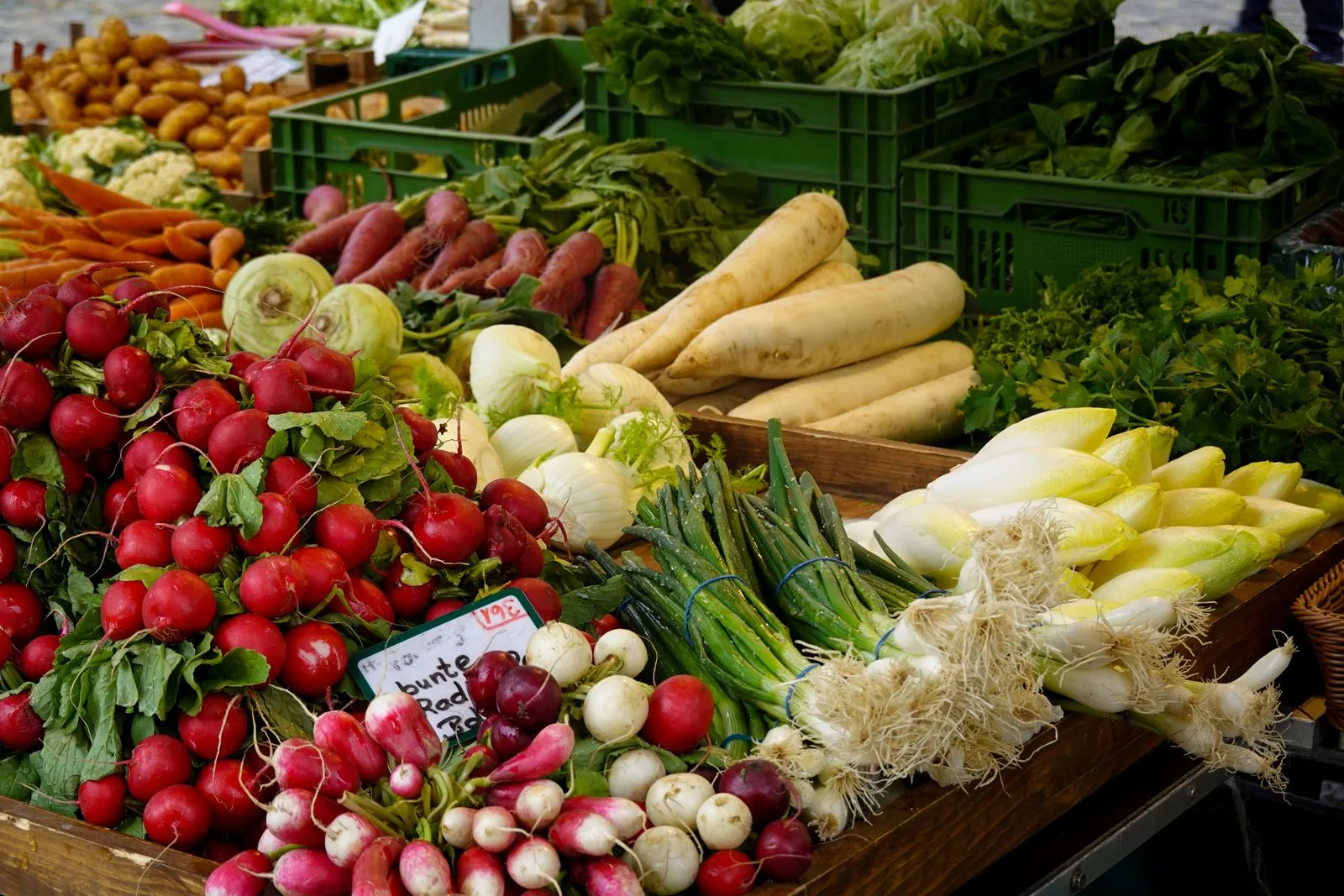
Organic is federal law with real rules. It means fewer and different sprays, not zero, and organic junk is still junk.
"Organic" on a label isn't just marketing talk. It's federal law, written down in black and white. There are four levels, and the words on the box tell you which one you're buying:
- "100% organic": every ingredient is organic. Can carry the green USDA seal.
- "Organic": at least 95 percent organic. Can carry the seal.
- "Made with organic ___": only needs 70 percent. No USDA seal allowed.
- Less than 70 percent organic: it can only point out the organic ingredients in the ingredient list. No seal.
So that "made with organic oats" box can be close to a third non-organic. Read the words, not the packaging.
References
- 7 CFR 205.301: Product composition. eCFR (via Cornell LII).
- 7 CFR 205.304: Labeling of products labeled "made with organic". eCFR (via Cornell LII).
- 7 CFR 205.305: Multi-ingredient packaged products with less than 70 percent organically produced ingredients. eCFR (via Cornell LII).
Here's what organic actually bans:
- Synthetic fertilizer, except a short approved list.
- GMOs.
- Irradiation.
- Sewage sludge spread on the field.
- Banned chemicals on the land for 3 years before harvest.
- Growth hormones in animals.
- Antibiotics. A sick animal still gets treated, but once it's given antibiotics it can't be sold as organic.
- Animals stuck indoors on regular feed. They have to eat organic feed and get real access to the outdoors, and cows have to actually graze.
References
- 7 CFR 205.105: Allowed and prohibited substances in organic production. eCFR (via Cornell LII).
- 7 CFR 205.203: Soil fertility and crop nutrient management. eCFR (via Cornell LII).
- 7 CFR 205.202: Land requirements. eCFR (via Cornell LII).
- 7 CFR 205.238: Livestock health care. eCFR (via Cornell LII).
- 7 CFR 205.237: Livestock feed. eCFR (via Cornell LII).
- 7 CFR 205.239: Livestock living conditions. eCFR (via Cornell LII).
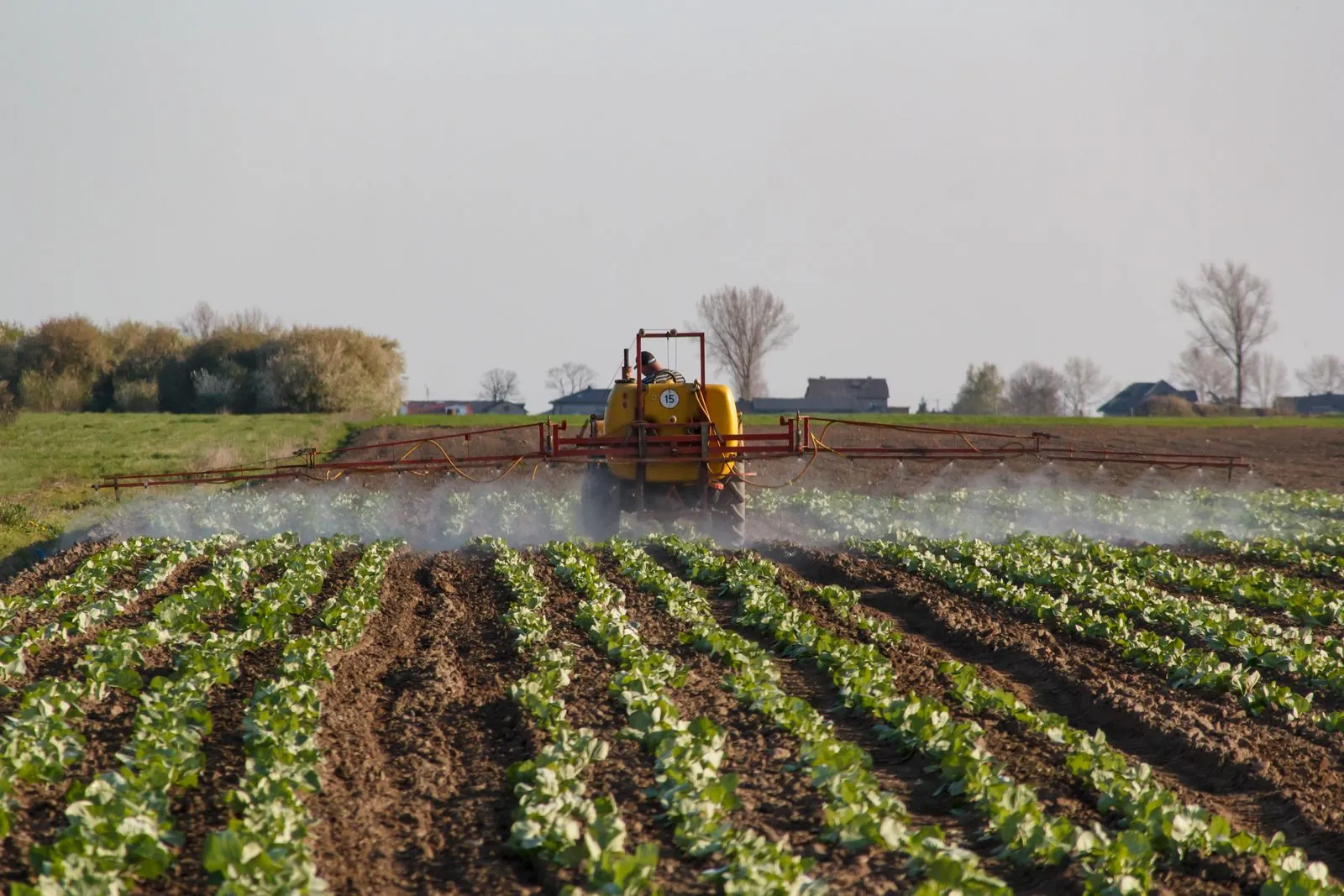
Here's what it doesn't mean: no pesticides. Organic farmers can spray when nothing else works. They can use natural pesticides, plus a short approved list of synthetic ones like copper compounds, sulfur, oils and insecticidal soaps. And natural doesn't mean safe. Rotenone is a pesticide made from plants. Farmers who used it had about two and a half times the odds of Parkinson's in one big study, and it's now banned in organic. Organic means fewer sprays and different sprays. It doesn't mean zero.
References
- 7 CFR 205.206: Crop pest, weed, and disease management. eCFR (via Cornell LII).
- 7 CFR 205.601: Synthetic substances allowed for use in organic crop production. eCFR (via Cornell LII).
- Rotenone, paraquat, and Parkinson's disease. Environmental Health Perspectives, 2011.
- 7 CFR 205.602: Nonsynthetic substances prohibited for use in organic crop production. eCFR (via Cornell LII).
So is American organic fake? The fraud is real, and it was big. One Missouri farmer sold at least $142 million of regular grain as organic over seven years and was sentenced to more than ten years in federal prison. In 2017, three ships of "organic" corn and soybeans came in at 36 to 46 million pounds each. They came from farms that weren't organic, and one load had been fumigated with a banned chemical. About 21 million pounds of it was already sold, mostly as feed for organic animals, before anyone caught it. USDA's own inspector general said the agency couldn't even show that the paperwork was being checked at the ports. The weak spot was the stuff you never see: huge shipments of grain and animal feed moving through a long line of middlemen.
References
- National Organic Program (NOP); Strengthening Organic Enforcement. USDA AMS, Federal Register, 2023.
- National Organic Program: International Trade Arrangements and Agreements. USDA Office of Inspector General, 2017.
Then the rules got tightened. Since March 19, 2024, every organic import needs an electronic certificate. Importers, brokers and traders have to be certified. Inspectors have to make surprise visits and check that the amount going out matches the amount coming in. Since the new system started in March 2024, more than 302,000 electronic import certificates have been issued, and in 2025, 95 percent matched customs records. It's not airtight. USDA admits overseas enforcement is still a challenge. And Europe isn't magic either. The US and EU accept each other's organic as equal. EU auditors found many organic products couldn't be traced back to the farm, and they said it straight: there is no lab test that proves something is organic.
References
- National Organic Program (NOP); Strengthening Organic Enforcement. USDA AMS, Federal Register, 2023.
- NOP Update. USDA Agricultural Marketing Service, National Organic Program, 2026.
- International Trade Policies: European Union. USDA Agricultural Marketing Service.
- The control system for organic products has improved, but more can be done (Special Report 04/2019). European Court of Auditors, 2019.
Does the label actually deliver? Yes, measurably. Across 343 studies, conventional crops were four times more likely to carry pesticide residues than organic crops. When families switched to organic food for six days, pesticide breakdown products in their urine dropped fast. One malathion marker fell 95 percent and a chlorpyrifos marker fell 61 percent. That's not what a fake label looks like.
References
- Higher antioxidant and lower cadmium concentrations and lower incidence of pesticide residues in organically grown crops: a systematic literature review and meta-analyses. British Journal of Nutrition, 2014.
- Organic diet intervention significantly reduces urinary pesticide levels in U.S. children and adults. Environmental Research, 2019.
In my opinion, American organic isn't fake. It's a real promise with a few holes in it. Buy it where it counts, buy from brands that can tell you where their food came from, and don't pay organic prices for organic junk. Organic cookies are still cookies.