
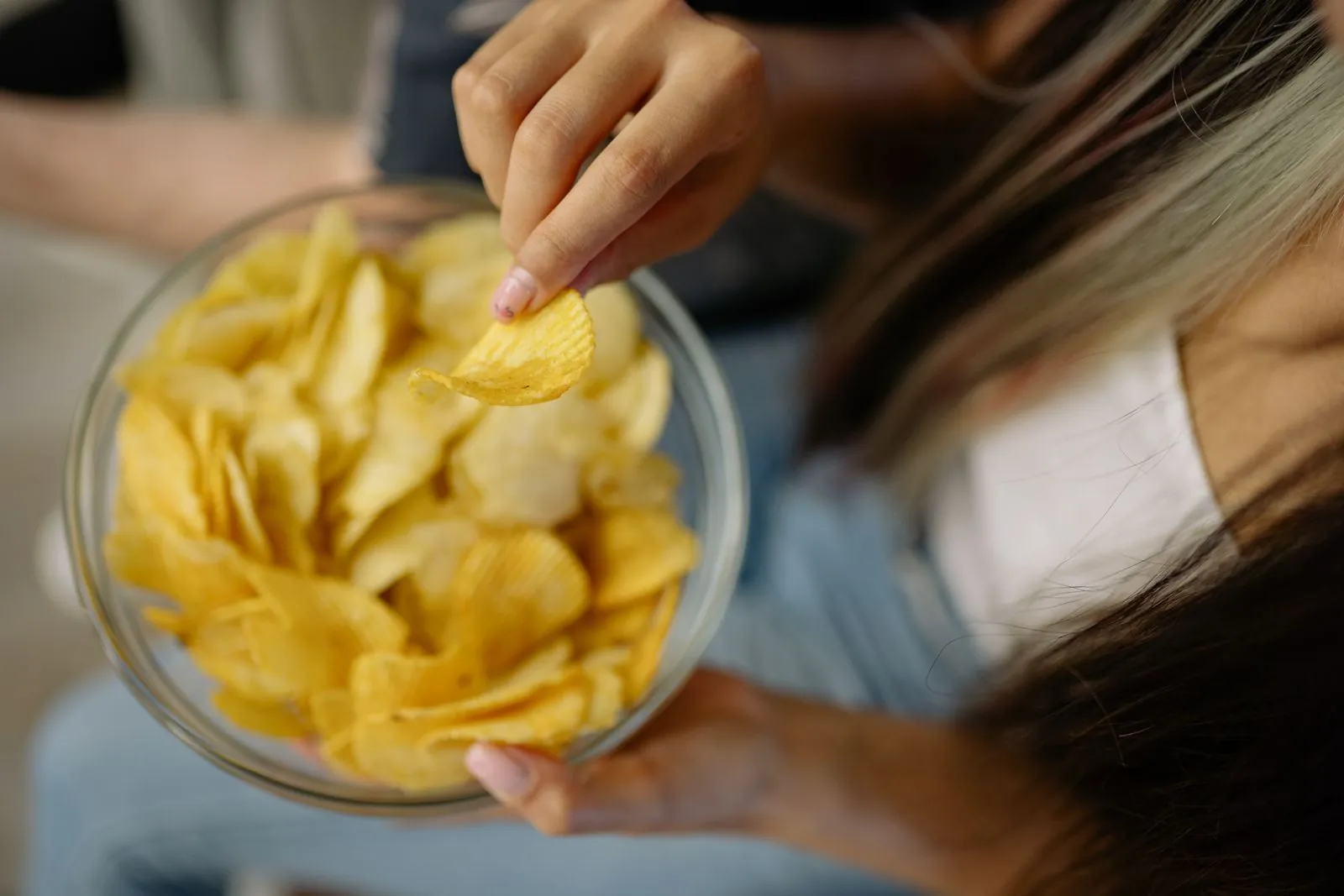
Nobody calls putting away a fifth of whiskey every night normal. Nobody shrugs at someone smoking a pack of cigarettes a day. Nobody calls a cocaine habit or a heroin habit a lifestyle choice. But 10 pancakes with 10 strips of bacon and a pile of eggs? That's a good old American breakfast. It's an event. Whole families look forward to that morning all week. And the soda? Nobody even notices it. It's treated like water. It's just the liquid that goes with the food, always on the table, always there. I'm not guessing about any of this. I lived it. I ate those 10 pancakes. I ate those 10 strips of bacon. I drank the soda. And I had the health problems that came with it, and they didn't go away until I changed how I eat.
Look at the family gathering. Everyone around the table is eating the same way, so it's normal. The kids watch the adults and copy them, and if nobody older corrects it, it rolls right into the next generation. We call it a celebration. It's really a celebration of gluttony. You're mixing the love you feel for the people at that table with the dopamine hit from the food until you can't tell them apart. You're slowly killing yourself, smiling, next to the people you love, and watching them do the same.
It doesn't look like harm, because nobody at that table is tying off their arm and shooting heroin. If everybody's doing it, it can't be hurting anybody. That's herd mentality. The damage is real. It's just happening on the inside, where you can't see it. Once you see it, you'll look back and wonder how you ever missed it. That's not your fault. You were trained not to see it. Food is the addiction almost everybody shares, so nobody calls it what it is.
Here's my definition. If you eat more than your body needs, day after day, because that's what you've always done, that's a food addiction. You're not eating because your body needs it. You're eating out of habit. You eat because you're bored. You eat because the clock says it's mealtime, hungry or not. You eat when you're already full. You eat when you're sick. (If a doctor has you eating on a schedule, for diabetes medication, recovery or anything else, that's treatment, not addiction. Follow it.) In a study of 387 adults in obesity treatment, boredom was the feeling most strongly tied to the urge to eat.
References
Addiction comes in degrees. Doctors grade alcohol use disorder as mild, moderate or severe. The person who has a few drinks every week and the person passed out on a case of beer by dinner sit at different ends of the same scale. Food works the same way. The scientific test for it, the Yale Food Addiction Scale, uses the same mild, moderate and severe grades. Pooled data from 281 studies in 36 countries puts about 14 percent of adults over the clinical cutoff, right in line with alcohol (14 percent) and tobacco (18 percent). Highly processed foods can meet the same criteria once used to call tobacco addictive.
References
- Understanding Alcohol Use Disorder. NIH / National Institute on Alcohol Abuse and Alcoholism.
- Development of the Yale Food Addiction Scale Version 2.0. Psychology of Addictive Behaviors, 2016.
- Social, clinical, and policy implications of ultra-processed food addiction. BMJ, 2023.
- Highly processed foods can be considered addictive substances based on established scientific criteria. Addiction, 2023.
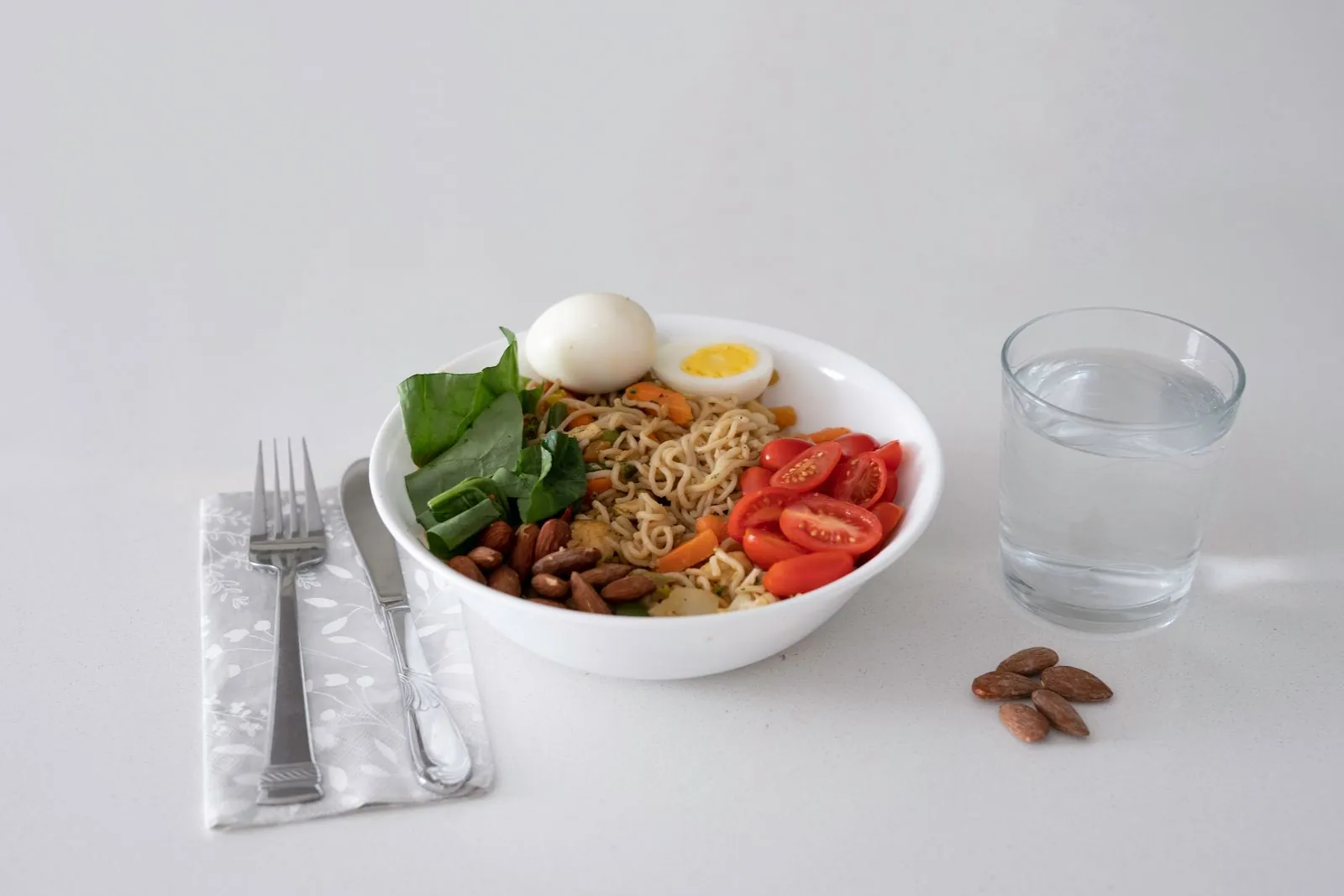
That 14 percent only counts people who hit the clinical cutoff. By my definition, it's most of the country. About 72 percent of American adults are overweight or have obesity. You don't get there by eating what your body needs.
References
- Obesity and Overweight (FastStats): adults with overweight, including obesity, 72.4% (August 2021 to August 2023). CDC / National Center for Health Statistics.
It doesn't have to be like this. Adult obesity is about 6 percent in Japan and 41 percent in the United States. In my opinion, it's the same human body, and the difference is on the plate: lean protein and fish, real portions, and not eating on autopilot.
References
- Prevalence of obesity among adults, BMI 30 or higher (age-standardized estimate), Japan and United States, 2024. World Health Organization, Global Health Observatory.
A favorite meal releases dopamine in proportion to how much you enjoy it, so the pull is real, and willpower loses most days. A plan wins: eat for fuel, on purpose, the same way most days. But first you have to call it what it is. You can't fix an addiction you won't admit you have.