Jason Samuel

Body / Skin Care / Tretinoin Guide

Tretinoin Guide

One of the two things that help skin the most, and one of the two that people quit in the first week.

A crescent moon against a black night sky

Tretinoin

One of the two things that help skin the most, and one of the two that people quit in the first week. The first time your face stings, it goes in the trash. These cards are how you get past that.

What actually thickens skin

Tretinoin is the one thing in this routine with real evidence for thicker skin: a thicker outer layer in 24-week controlled trials, and more collagen in a 6-month study. It takes months, not weeks. The CeraVe cream and Aquaphor don't thicken skin. They repair and seal the moisture barrier, which makes thin, dry skin less fragile in the meantime. Daily sunscreen protects the collagen you're building.
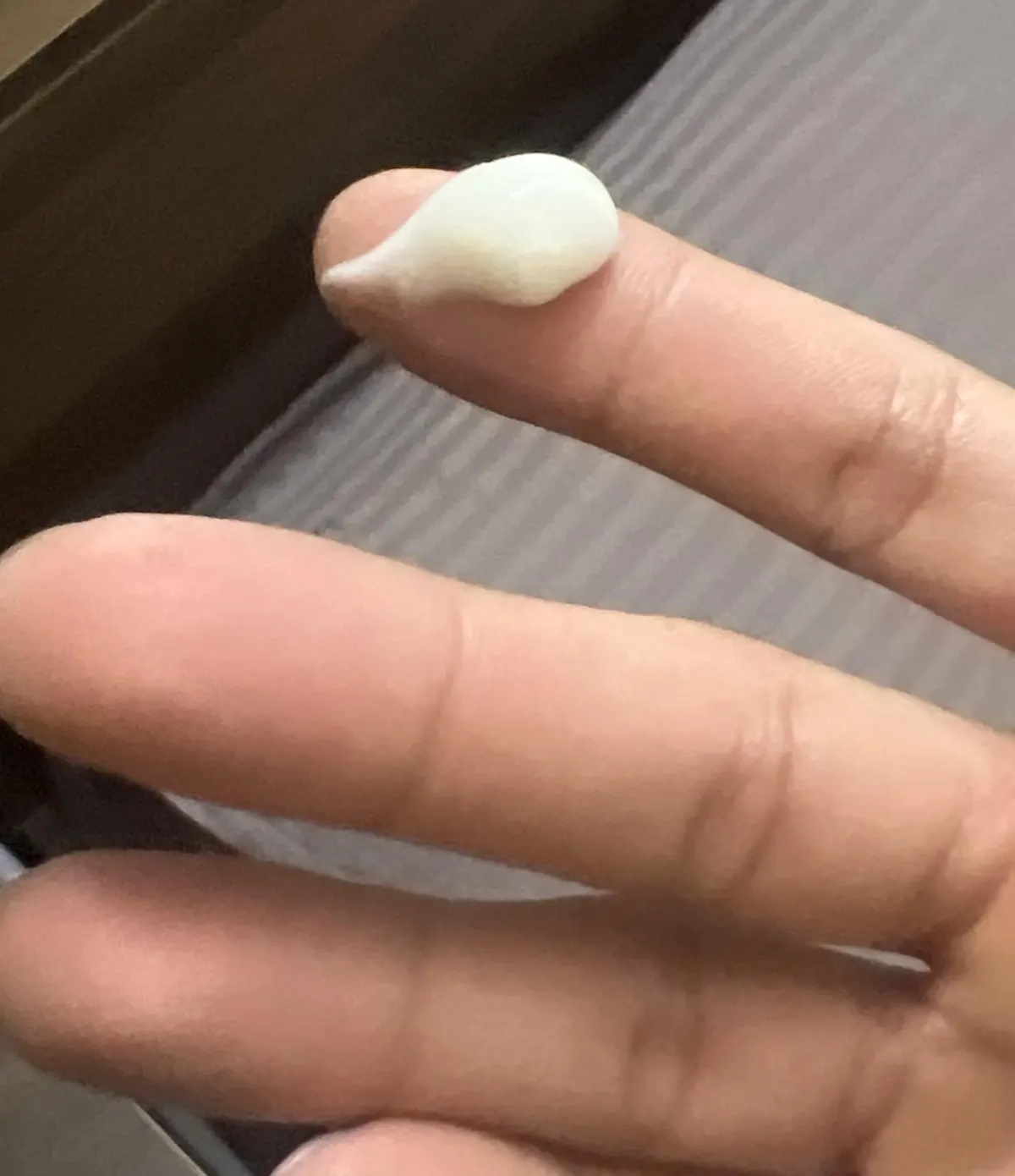
A pea-sized dot of tretinoin cream on a fingertip

What tretinoin actually does

Tretinoin is a prescription vitamin A derivative. Its over-the-counter cousins, from strongest to weakest, are retinaldehyde (retinal), retinol and retinyl esters. Your skin has to convert those into the same active acid, which is why they're gentler and slower. Tretinoin normalizes skin cell turnover, unclogs pores, improves acne and texture, and gets your fibroblasts making new collagen.

Retinoid generations, briefly

Retinoids come in generations, each aimed more precisely at the skin's retinoid receptors (alpha, beta, gamma). First: tretinoin and isotretinoin, which hit all three. Second: acitretin, a pill mostly for psoriasis. Third: adapalene (Differin) and tazarotene, aimed at beta and gamma. Fourth: trifarotene (Aklief), aimed at gamma, the main one in skin. Newer means more targeted, not gentler or better for you.

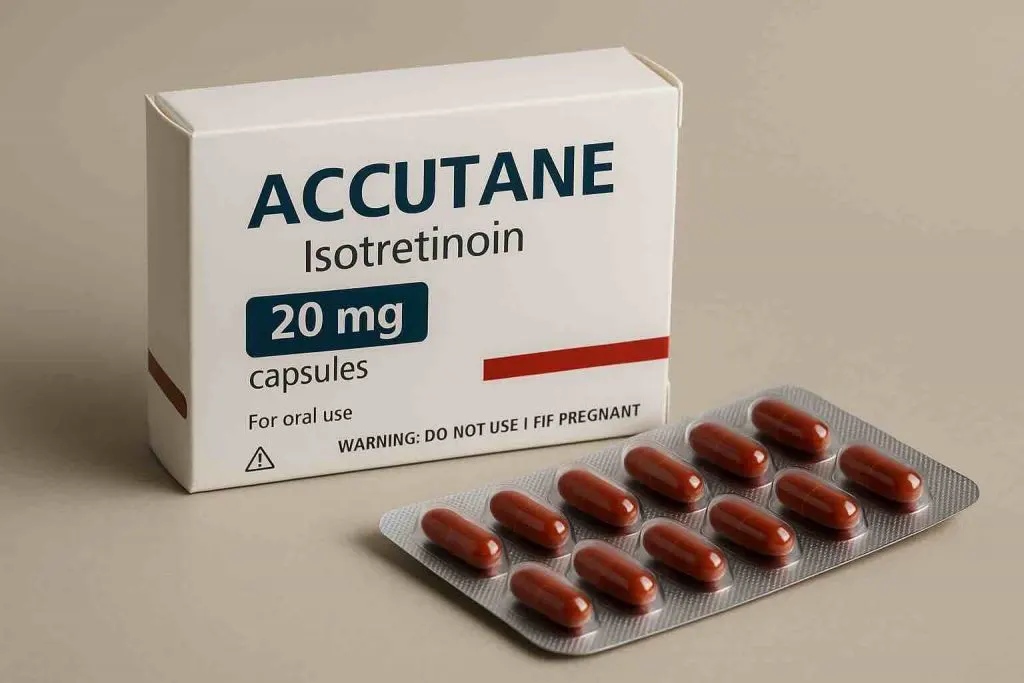
An Accutane (isotretinoin) box with a blister pack of capsules

Tretinoin is not isotretinoin

Not the same drug, even though the names match. Both are vitamin A acid: the same atoms, arranged differently. Tretinoin (Retin-A) is a cream that works in your skin. Only 1 to 2% gets absorbed, and it doesn't change the levels in your blood. Isotretinoin (Accutane) is a pill you swallow, and it works through your whole body. It's the last resort for severe acne.

Why Accutane has a bad reputation

Isotretinoin, sold now as Absorica, Claravis, Amnesteem, Zenatane and Myorisan, carries real warnings: severe birth defects, depression and suicidal thoughts, bowel disease, liver problems and high cholesterol. Studies still argue over the depression and gut links, but it's tightly controlled: iPLEDGE, pregnancy tests and regular blood work. I took it twice myself. Tretinoin cream carries none of that, though skip it while pregnant too.

I've been on Accutane twice

Once as a teenager, when nobody talked about side effects, and again as an adult. It dries you out inside and out, and looking back, I didn't really need it. In my opinion, try diet and good skin care first. Go oral only if your dermatologist really pushes. On it, skin care matters ten times more. I learned much of this page on Accutane. That pain was a blessing.

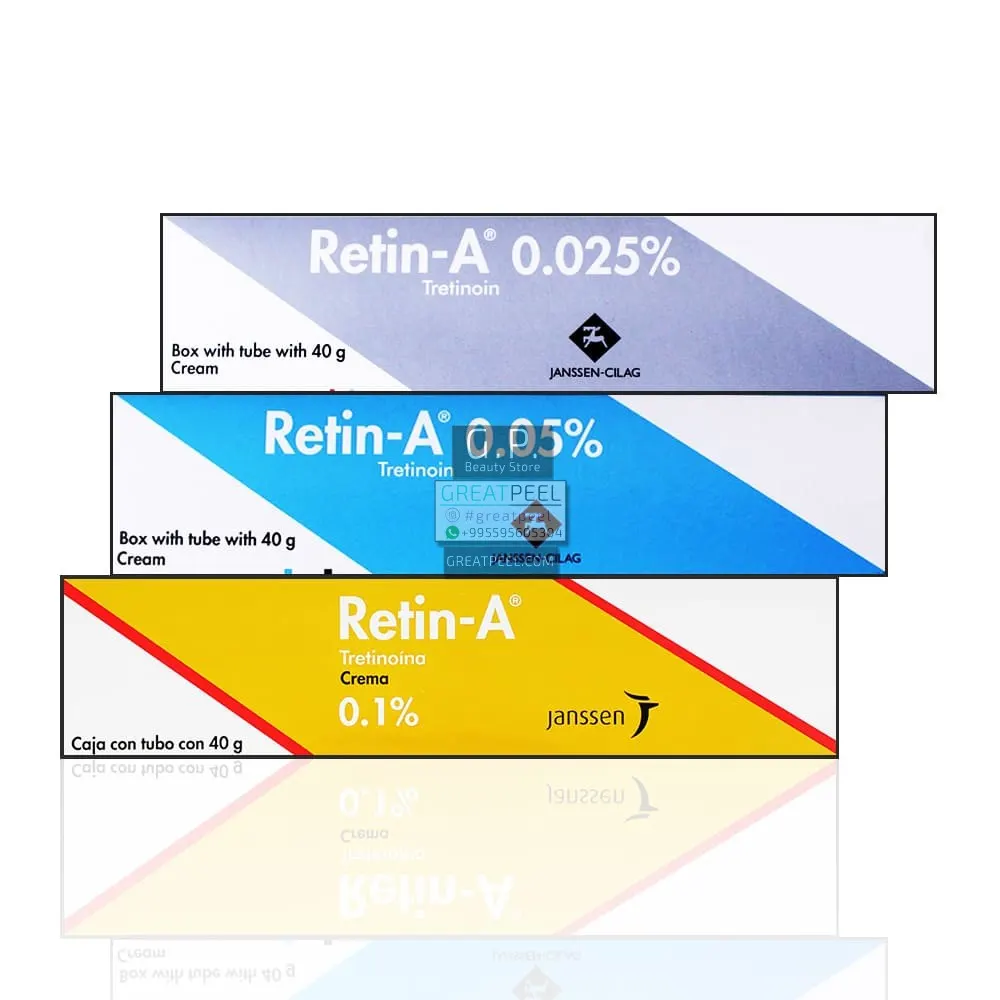
Retin-A boxes in 0.025%, 0.05% and 0.1%

Which tretinoin strength

I use 0.1%, the strongest common strength, because I deal with acne. For anti-aging, 0.025% worked just as well as 0.1% in a 48-week trial, with less redness and peeling. No acne? You can stay at 0.025% for good. Need more for acne? Step up 0.025%, then 0.05%, then 0.1%, a few months apart. Never jump straight to 0.1%.

Start tretinoin slow

Every third night for the first month. Then every other night. Then nightly, once your skin can handle it. In my experience, and for a lot of people, getting to nightly takes up to six months. The rough early weeks are called retinization: redness, dryness, flaking, stinging. You get a smaller round each time you step up a strength.

How I ramped up

  1. 1First monthEvery third night
  2. 2ThenEvery other night
  3. 3Up to six months inNightly, once your skin can handle it
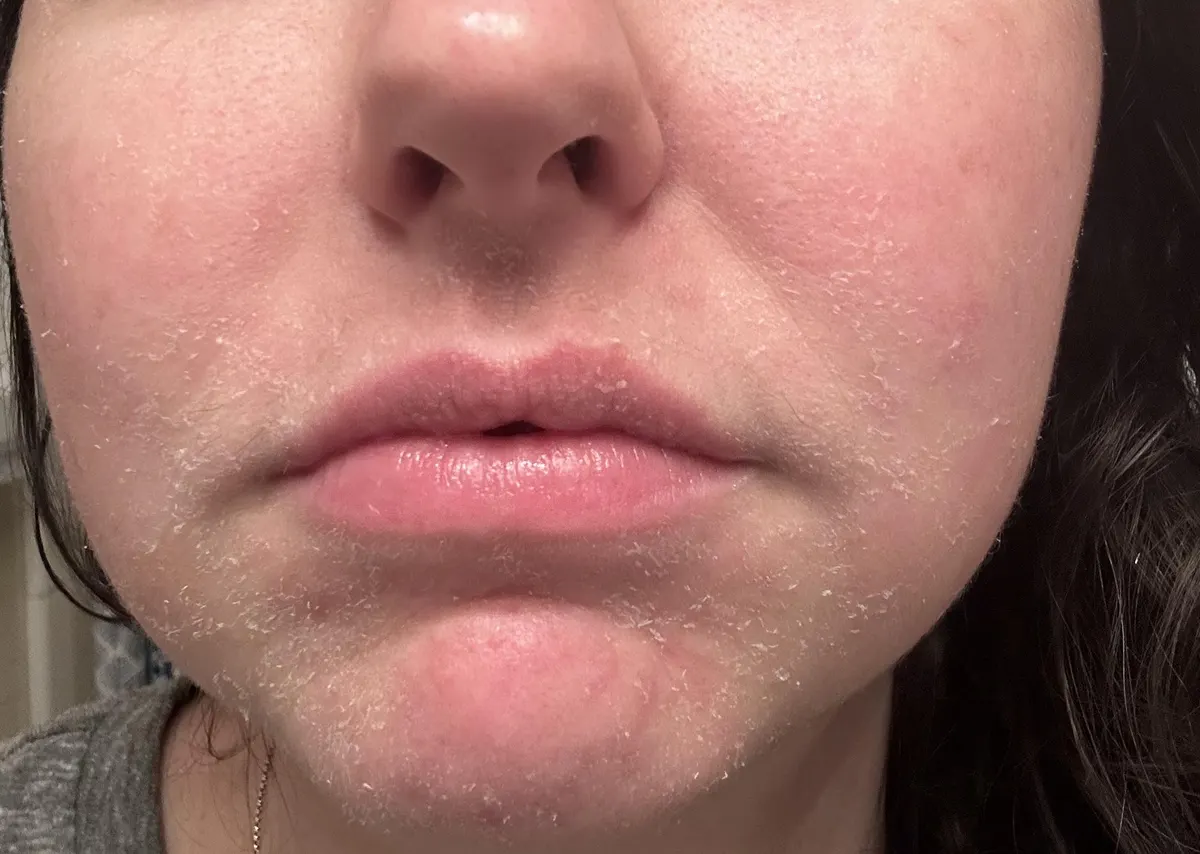
Red, peeling skin around the mouth and chin from tretinoin

Red and flaky? Stop.

Don't keep putting more on. Stop the tretinoin until your skin is back to normal, then restart at every third night and work your way back up. Same at any strength: get back to what your skin can tolerate, then ramp up slowly.

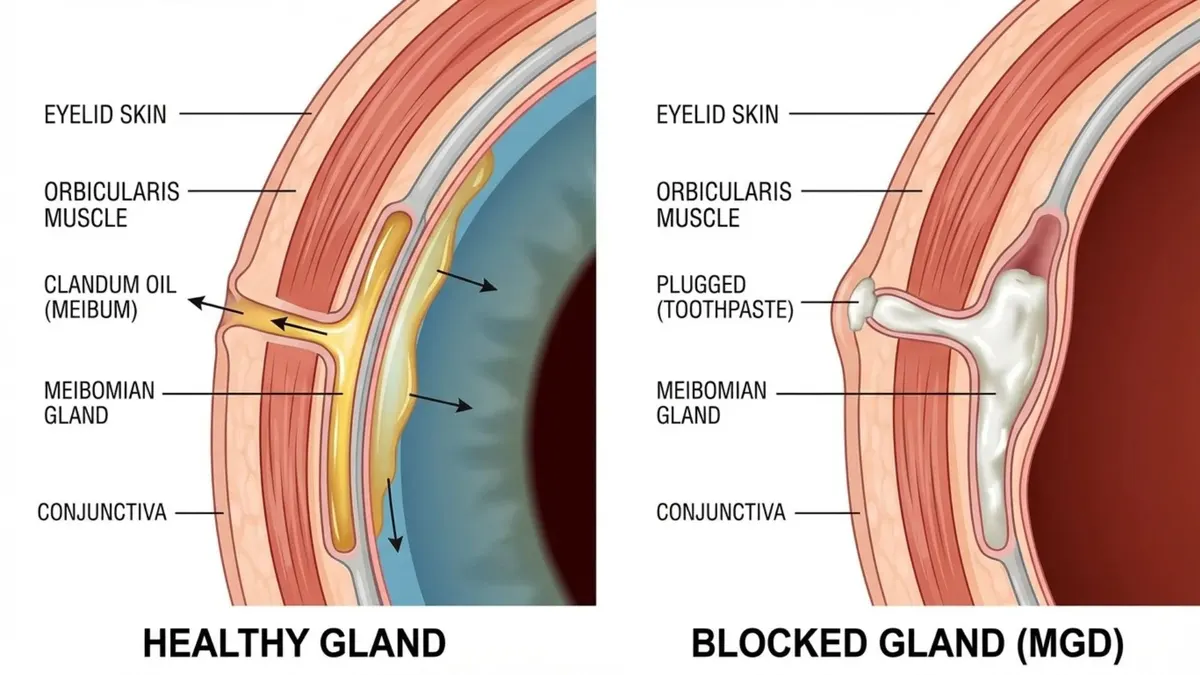
Diagram of a healthy meibomian gland next to a blocked one

Keep tretinoin away from your eyes

Your eyelids are lined with meibomian glands, tiny oil glands that keep your tears from drying out. Retinoids shrink oil glands, and lost meibomian glands don't always come back. The result is dry eye. So don't put tretinoin on wrinkles under your eyes. It also travels while you sleep: it rubs onto your pillow, then into your eyes, moisturizer on top or not.

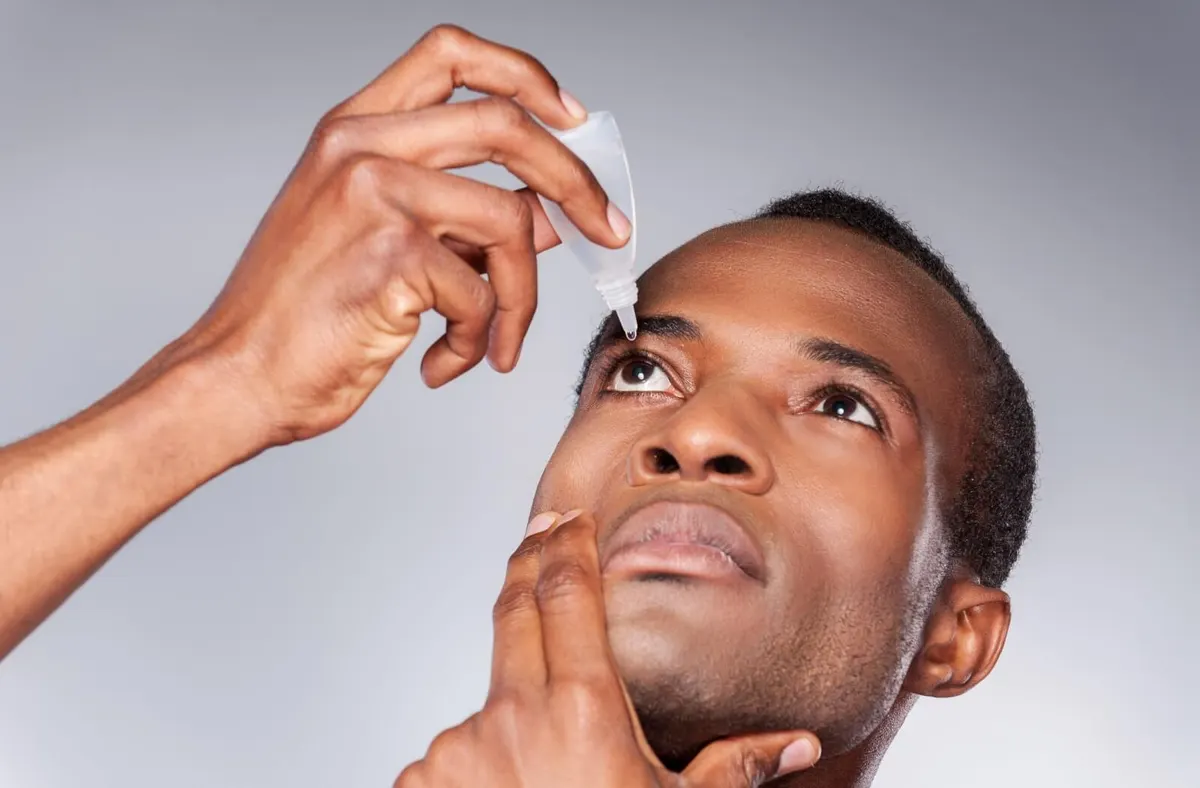
A man putting eye drops in his eye

Dry eyes? Take it seriously

Eyes dry even though you keep tretinoin away? You may have to stop it. Ask your doctor about a gentler retinoid like adapalene (Differin). Skip gel eye drops: they blur your vision, so don't drive after them. My ophthalmologist recommended Biotrue Hydration Boost drops instead. They're thin, so your vision clears right away. They're made for contacts; I don't wear any and use them anyway.

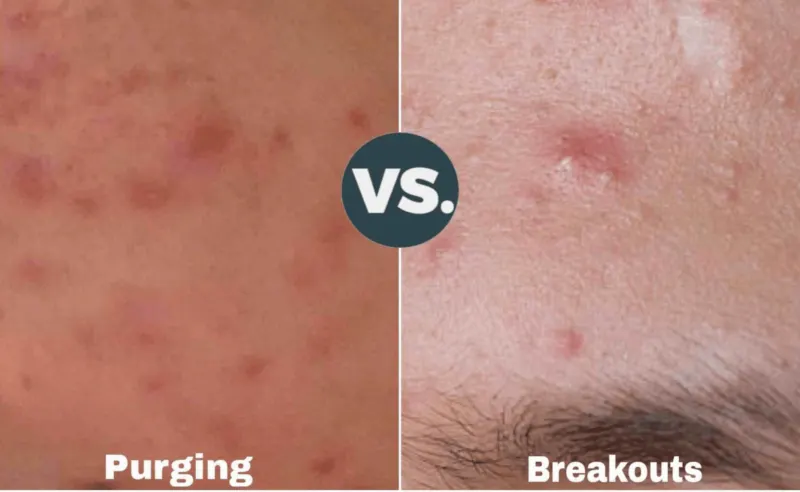
Close-ups comparing purging with regular breakouts

Purging vs. irritation

Tretinoin speeds up skin turnover, which pushes clogged pores to the surface, so a short breakout early on is normal. It should ease within about six weeks. If it drags on past that, or you get burning, swelling or rash-like redness, see your doctor right away. That's likely irritation, not purging.

The tretinoin sandwich

A thin layer of moisturizer, then tretinoin, then night cream on top. The layer underneath cushions it so it irritates less. It may soften the effect a little, but nobody has pinned down how much.

In this order

  1. 1Thin layer of moisturizerCushions your skin so it irritates less
  2. 2TretinoinOn top of that layer
  3. 3Night creamGoes on last

No retinoids in daylight

Tretinoin, Differin and retinol go on at night only. I learned this the hard way: sunburn and chemical burns, even on days that weren't very sunny. Retinoids leave the outer layer of skin more vulnerable to UV, and sensitivity is usually worst in the first few weeks after you start.

Never two retinoids at once

Tretinoin plus Differin (or retinol) stacks irritation. If I spot treat with Differin, it's only on a night I skip tretinoin.

Tretinoin first, azelaic acid later

Starting tretinoin? Hold off on azelaic acid. Tretinoin matters more, and it takes about 5 to 6 months before you tolerate it steadily, nightly or every two or three nights depending on your skin and strength. Only then add azelaic acid. Both can sting and dry you out. Start them together and your face is already irritated, and you can't tell which one to stop.

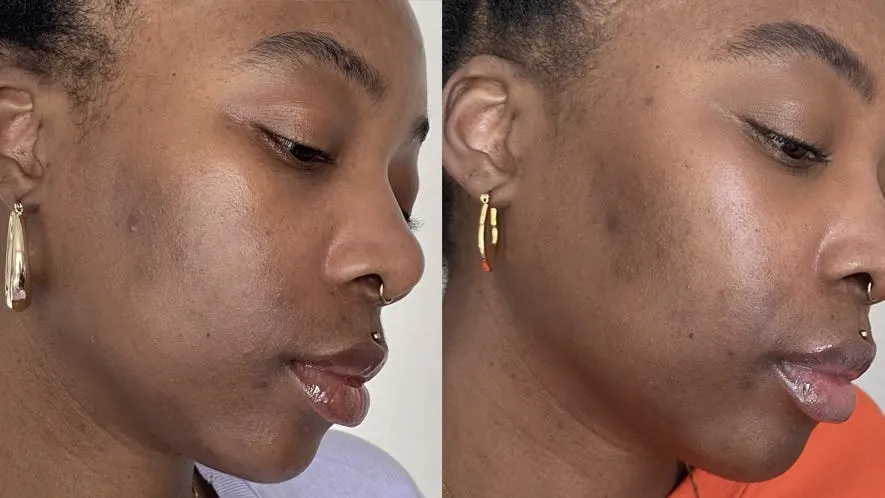
Dark marks on brown skin before and after treatment

What azelaic acid adds

Azelaic acid fades dark marks by blocking tyrosinase, the enzyme that makes melanin. It also normalizes skin cell turnover, unclogs pores, kills acne bacteria and calms inflammation. Tretinoin covers turnover and collagen; azelaic acid adds the pigment and bacteria side. Once you're settled on tretinoin, the two complement each other really well.

If tretinoin dries you out

If your face feels tight or flaky in the morning, swap the foaming cleanser at the sink for CeraVe Hydrating Facial Cleanser. It's the gentler one.

← Back to my routine

Important: This reflects my personal protocol based on my own research. I am not a medical professional. Please consult your healthcare provider before starting any supplement regimen or skin care routine, and a dermatologist before using any prescription product.

Some links on this page are affiliate links. I earn a small commission at no extra cost to you. I only recommend products I personally use every day. Full disclosure